Rori — an AI math tutor on WhatsApp in Ghana
Ghana
A conversational maths tutor delivered over WhatsApp: a Ghana RCT found an effect size of ~0.37 (≈ an extra year …
Bolivia · El Alto · See the Bolivia profile
Evidence: Descriptive / self-reported Top 40% 53/100 · Ask Evidence Copilot about this practice
Bolivia's Ministry of Education launched the AI chatbot AFINIDATA nationwide with UNICEF in Aug 2025, giving rural caregivers personalised early-childhood guidance via WhatsApp; a peer-reviewed Peru trial of the same platform found a real 0.11 SD child-development gain.
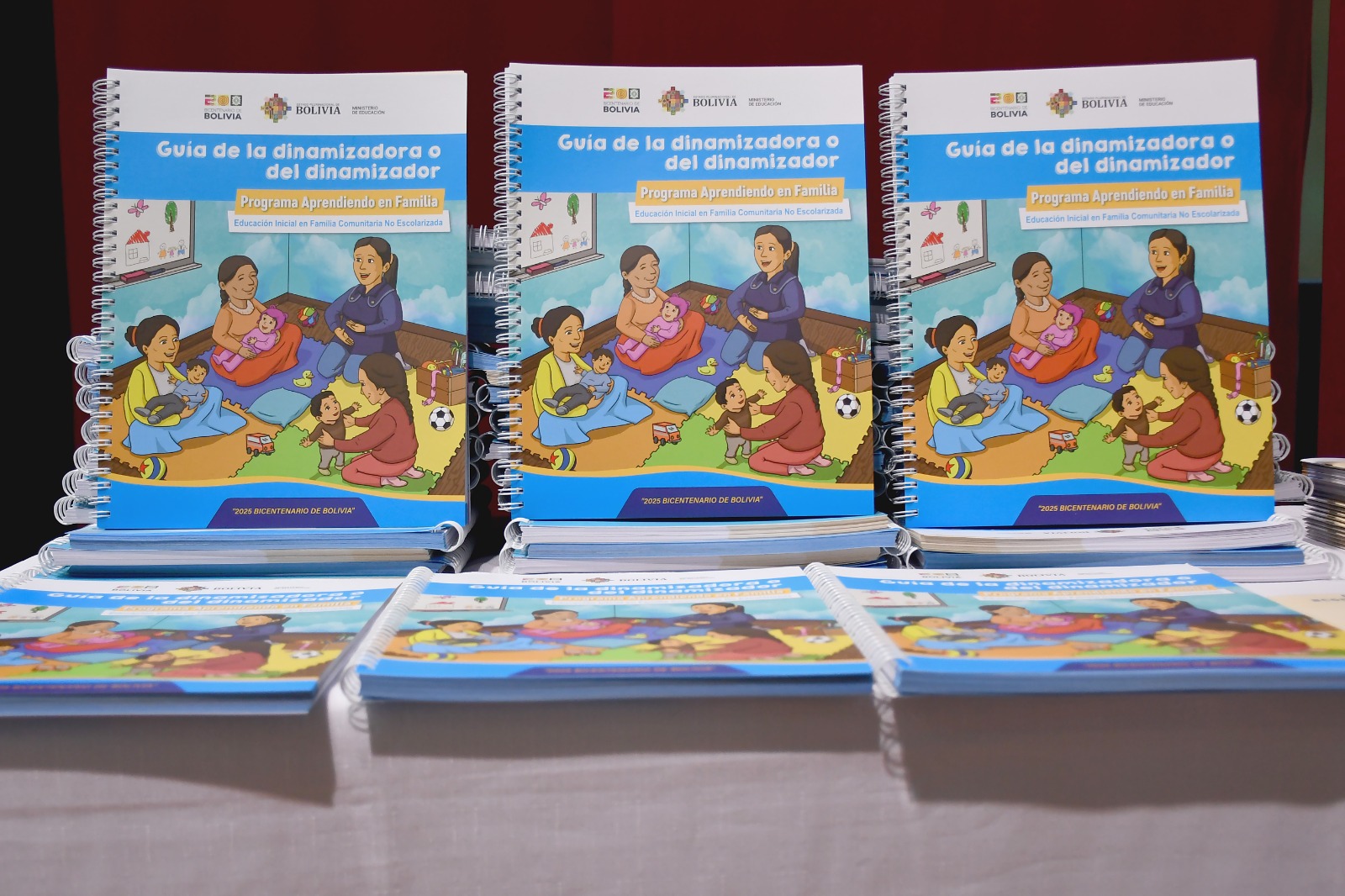
AFINIDATA is a WhatsApp/Facebook Messenger chatbot, originally developed in Guatemala in 2017, that uses a machine-learning recommender to personalise early-stimulation and health/nutrition guidance for caregivers based on each child's age and developmental stage. In August 2025, Bolivia's Ministry of Education, Sports and Cultures launched AFINIDATA nationwide with UNICEF Bolivia as the AI component of its 'Aprendiendo en Familia' (Learning as a Family) initial-education programme, targeting families across the country, especially in rural areas, with companion guidance booklets for teachers and families.
At the municipal level, the El Alto city government made AFINIDATA available free of charge over WhatsApp through its 'DIPI' early-childhood platform, part of the wider 'Pan Manitos' programme for children under four.
During 2025, El Alto reported that 1,458 mothers and fathers responsible for 1,900 children used AFINIDATA through the municipal DIPI platform. Separately, a peer-reviewed cluster-randomized controlled trial of the same underlying platform in rural Cajamarca, Peru (2,461 caregiver-child dyads across 164 clusters) found that both an AI-chatbot arm and a parallel human home-visiting arm improved child development at 2.5 years of age, with standardized effect sizes of 0.11 and 0.17 respectively — the digital intervention achieved a smaller effect than home visiting but at roughly one-fifteenth of the cost.
Bolivia's national rollout is real and operating, but as of this entry only city-level (not national) usage figures have been published and no causal evaluation of the Bolivia deployment itself exists yet; the Peru RCT provides strong evidence for the underlying model but cannot be assumed to transfer automatically to the Bolivian context and delivery.
National / regional programmes
Indicative funding routes for practices of this type — always check each programme's current calls and eligibility rules.
Do you run this practice? Claim it — verified implementers get a public contact pathway and can propose corrections.
Where this practice's information was retrieved from, and when.
Ghana
A conversational maths tutor delivered over WhatsApp: a Ghana RCT found an effect size of ~0.37 (≈ an extra year …
Liberia
Rising Academies' Rori delivers AI-personalised math tutoring over basic WhatsApp, reaching Liberian schools among 90+ across six African countries. A …
United Kingdom
Two well-powered UK RCTs (N=177, N=240) tested an AI chatbot app meant to boost first-year students' wellbeing. Neither found a …
Kenya
EIDU pairs teacher training with an AI-adaptive app that personalises literacy/numeracy practice for Kenyan public pre-primary pupils. A cluster-RCT across …
Open full copilot Grounded in cited practices — always check the sources.