A free, self-directed after-school programme (ages 12-18) teaching coding, robotics, animation, music, film and design across 14 disciplines. An independent Dalberg evaluation …
Since 2004, Norway's Divvun and Giellatekno research groups at UiT have built keyboards, spellcheckers and machine translation for all eight Sámi languages, …
Tromsø, Norway
Good practice
Evidence: Observational / pre–post
Top 3%100/100
In Nepal's Kailali and Doti districts, Restless Development and UN Women ran a 2015–2017 peer-education programme against chhaupadi menstrual exile huts, cutting …
Togo built a fully digital, mobile-money cash-transfer system using satellite imagery and phone data to target its poorest citizens during COVID-19, then …
Since a 2000 constitutional and electoral-law reform, Guyana has required at least one-third women on every party's candidate list. A quarter-century later, …
Georgetown, Guyana
Good practice
Evidence: Observational / pre–post
Top 3%100/100
Rwanda's 2008-2013 land titling programme used low-cost, imagery-based adjudication to register nearly all land parcels, requiring both spouses' names on titles; a …
Kigali, Rwanda
Good practice
Evidence: Observational / pre–post
Top 3%100/100
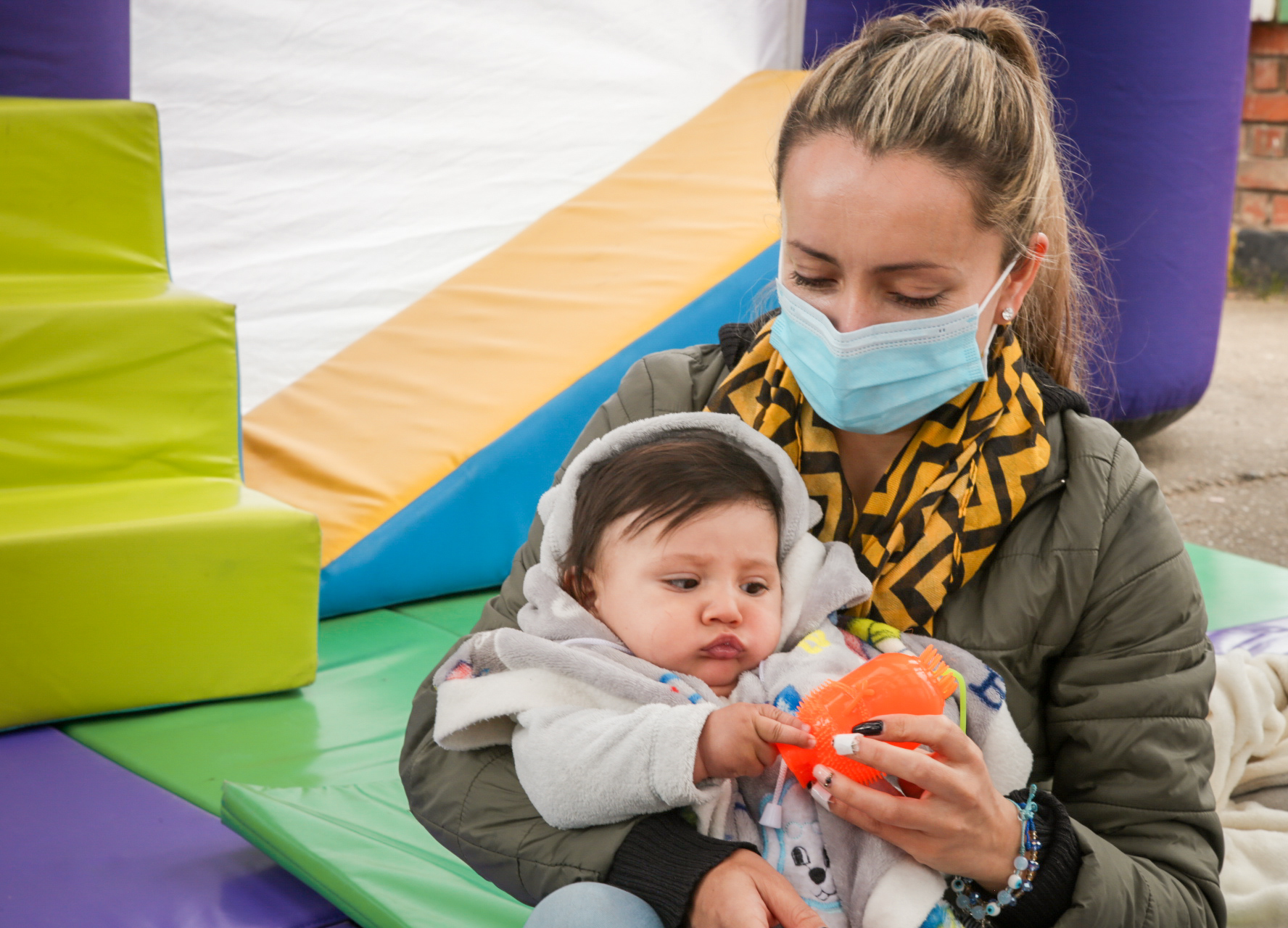
Since October 2020, Bogotá's Care Blocks have offered unpaid caregivers — overwhelmingly women — free childcare, training, wellness and legal services in …
Bogotá, Colombia
Good practice
Evidence: Descriptive / self-reported
Top 1%100/100
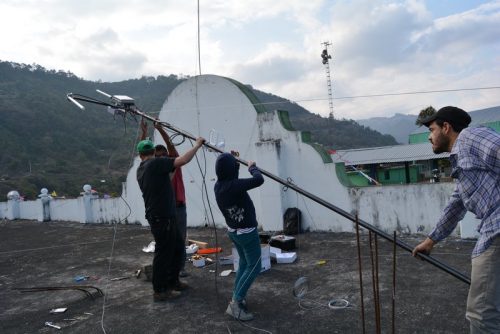
TIC A.C. operates the world's largest community-owned mobile network, covering 63 indigenous localities across five Mexican states; its 2016 Social Indigenous IFT …
Oaxaca de Juárez, Mexico
Good practice
Evidence: Randomised controlled trial
Top 3%100/100
Morocco (2002) launched the Arab world's first gender-responsive budgeting programme, scaling to 27+ ministries and institutionalised in the 2014 Organic Budget Law. …
SASA! is a community mobilisation model to prevent intimate partner violence (IPV), developed in Kampala, Uganda. A cluster RCT (2007–2012) showed 52% …
Kampala, Uganda
Good practice
Evidence: Observational / pre–post
Top 3%100/100
Sweden's 28 Barnahus co-locate police, social services, prosecution and child psychiatry for child victims of sexual abuse. Evaluations show conviction rates 20–45% …