Alberta Wetland Replacement Program — Statutory In-Lieu Fee Offsetting (Canada)
Canada
Under Alberta's 2013 Wetland Policy, developers who cannot avoid draining a wetland can pay an in-lieu fee funding replacement elsewhere; …
Liberia · Yekepa · See the Liberia profile
Evidence: Descriptive / self-reported Top 89% 27/100 · Ask Evidence Copilot about this practice
ArcelorMittal Liberia funds co-management of the 11,533 ha East Nimba Nature Reserve, home to chimpanzees, the Nimba toad and otter shrew, as its offset; a 2014 FFI-brokered plan engaged 25 communities, though critics call it a conflict-of-interest paradox.
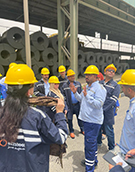
ArcelorMittal Liberia (AML) mines iron ore in the Nimba mountain range, part of a globally significant biodiversity hotspot shared with Guinea and Cote d'Ivoire. The company's biodiversity offset centres on the East Nimba Nature Reserve (ENNR), an 11,533-hectare protected area gazetted by the Liberian government in 2003 adjoining AML's concession.
In 2013 AML proposed funding a specialist conservation organisation to professionalise the reserve's management, protecting range-restricted species including the Critically Endangered Nimba toad, the Nimba otter shrew and the Western chimpanzee.
Fauna & Flora International was recruited and, together with Conservation International and the Forestry Development Authority, produced a Management Plan validated in March 2014 after consultation with 25 surrounding communities. A Co-Management Committee of six community and six government representatives, established in 2010, continues to oversee the reserve, with further support from USAID/PROSPER. AML funds ongoing forest-cover monitoring, wildlife surveys and ranger patrols as part of its wider Biodiversity Conservation Programme.
A Management Plan was validated in March 2014, described by FFI as a first-of-its-kind participatory co-management process in Liberia, engaging 25 communities.
A 2026 Mongabay feature on the documentary 'Overburden' highlights the structural tension at the heart of the arrangement: the same company responsible for mountaintop removal at nearby Mount Tokadeh is also the reserve's principal funder and most visible conservation spokesperson. No published, quantified reconciliation of forest or species loss at the mine site against gains at ENNR is available to confirm a genuine net biodiversity benefit.
Own resources / municipal budget
Indicative funding routes for practices of this type — always check each programme's current calls and eligibility rules.
Do you run this practice? Claim it — verified implementers get a public contact pathway and can propose corrections.
Where this practice's information was retrieved from, and when.
Canada
Under Alberta's 2013 Wetland Policy, developers who cannot avoid draining a wetland can pay an in-lieu fee funding replacement elsewhere; …
Ghana
Under a Forestry Commission MoU, Newmont's Akyem gold mine is revegetating three times the 101 ha of forest it impacted …
Madagascar
A rare independent, peer-reviewed evaluation found Ambatovy's nickel mine near Moramanga is on track to offset the 2,064 ha of …
Spain
Since 2011, Catalan NGO Associació Sèlvans has turned donations into 15-25 year logging-rights waivers for forest owners, documenting 42.15 ha …
Open full copilot Grounded in cited practices — always check the sources.