Bord na Móna Peatlands Climate Action Scheme (Ireland)
Ireland
Ireland's largest peatland restoration: 33,000 ha across 82 midland bogs, €108M EU-funded. By end 2024: 18,861 ha done (57%). Net …
Peru · San Lorenzo · See the Peru profile
Evidence: Observational / pre–post Top 58% 40/100 · Ask Evidence Copilot about this practice
A $9.1M Green Climate Fund project — the GCF's first ever — helped 120+ Indigenous communities in Peru's Datem del Marañón manage 410,000+ ha of Amazonian peatland, while IIAP and Profonanpe built carbon-stock baselines feeding Peru's national peatland accounting methodology.
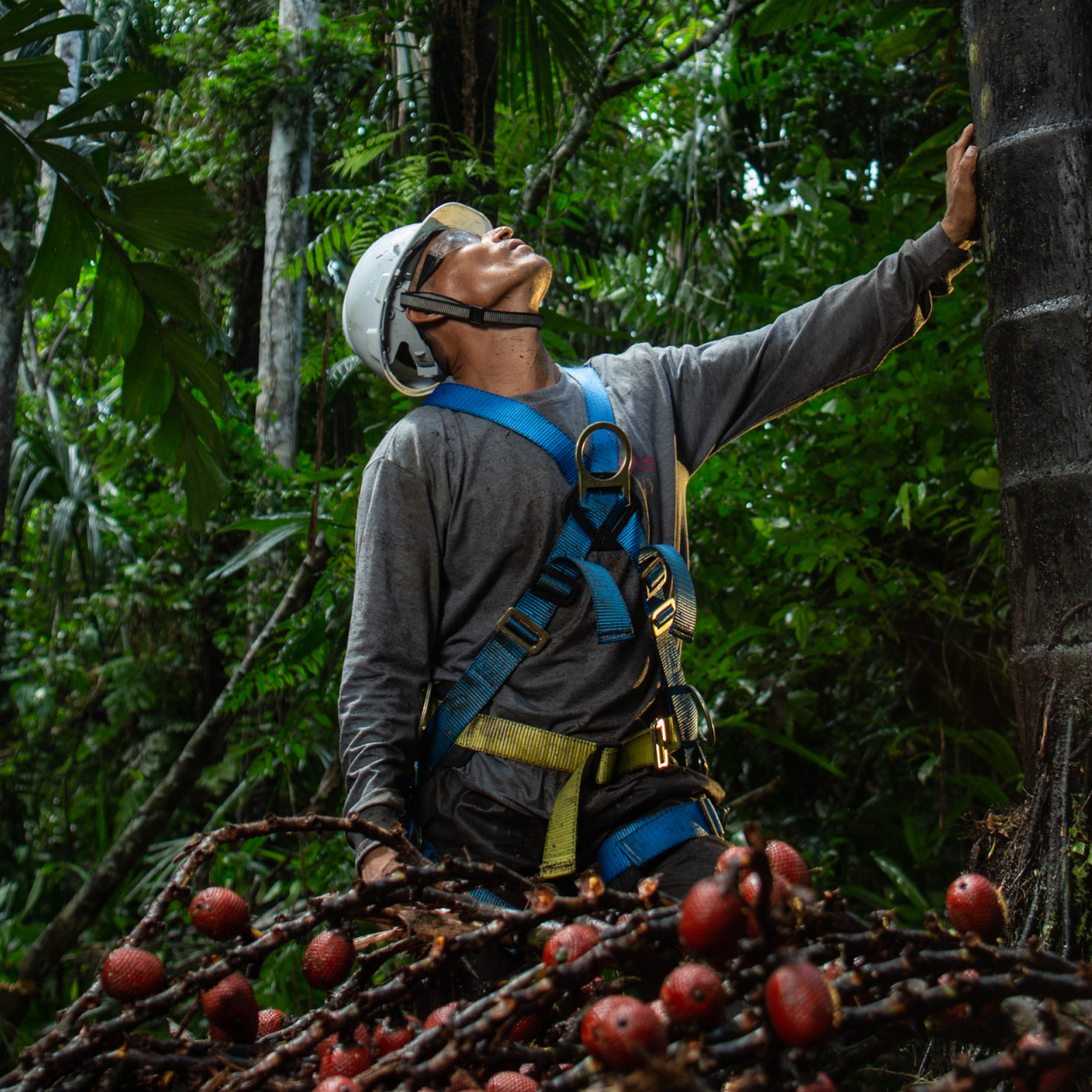
The Pastaza River Fan in Peru's Datem del Marañón province, near the Amazon town of San Lorenzo, holds one of the world's largest tropical peatland complexes — some 3.8 million hectares storing an estimated 3.1 billion tonnes of carbon, roughly half of Peru's above-ground forest carbon stock, with peat soils alone able to store up to 1,700 tonnes of carbon per hectare.
In 2015 the Green Climate Fund approved its first-ever project worldwide: a $9.1 million grant ($6.24 million from GCF, the remainder co-financed), implemented by the Peruvian Trust Fund for National Parks and Protected Areas (Profonanpe), to help 120 Indigenous communities manage wetland resources sustainably instead of draining and deforesting them for cropland.
The project established more than 410,000 hectares of new conservation areas and helped found an Aguaje Producers and Management Association in 2018 so households profit from sustainable palm-fruit harvesting instead of tree-felling.
A 2022 carbon-stock study by scientists from the Peruvian Amazon Research Institute (IIAP) and Profonanpe — published in 2024 — measured baseline soil and vegetation carbon, feeding a methodology now informing Peru's national peatland accounting policy. By the project's December 2024 close, the GCF reported roughly 1.31 million of a targeted 2.6 million tonnes of CO2e avoided, reaching over 20,000 direct beneficiaries across 131 Indigenous communities.
The project drew sustained criticism over its Free, Prior and Informed Consent process: Indigenous federations protested that the GCF approved the 2015 funding before adequate community consultation, prompting a formal Independent Redress Mechanism investigation opened in 2019. The case was closed only after the GCF Secretariat issued new FPIC guidance and completed a legal assessment of impacts on collective land rights.
National / regional programmes
Indicative funding routes for practices of this type — always check each programme's current calls and eligibility rules.
Do you run this practice? Claim it — verified implementers get a public contact pathway and can propose corrections.
Where this practice's information was retrieved from, and when.
Ireland
Ireland's largest peatland restoration: 33,000 ha across 82 midland bogs, €108M EU-funded. By end 2024: 18,861 ha done (57%). Net …
United Kingdom
The UK's quality-assurance standard for peatland restoration: it issues verified carbon units for rewetting degraded peat, delivering bundled carbon, water …
Belarus
Belarus has rewetted 89,400 hectares of degraded peatlands since 2007—the largest UNDP-supported peatland restoration programme in Europe—cutting ~3 million tCO₂e …
Estonia
Estonia's 2015–2021 LIFE Mires programme restored natural water conditions on nearly 8,000 hectares of drained peatland by closing 317km of …
Open full copilot Grounded in cited practices — always check the sources.