United Kingdom Mandatory Gender Pay Gap Reporting (Equality Act 2010 / 2017 Regulations)
United Kingdom
Since April 2017, all UK employers with ≥250 staff must publish annual gender pay gap data. Over 10,700 employers now …
Iceland · Reykjavík · See the Iceland profile
Iceland's 2018 law made it the world's first country to require all employers with 25+ workers to certify gender-equal pay under standard ÍST 85. Non-compliant firms face fines. Pay audits must be renewed every three years.
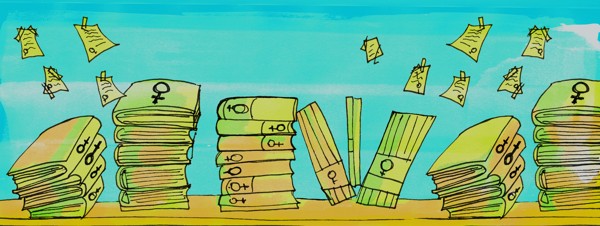
Iceland amended its Gender Equality Act in 2017 (in force January 2018) to require all employers with 25 or more staff to obtain equal-pay certification under standard ÍST 85 — the world's first legally mandated equal-pay certification. Certification uses a job evaluation dissociating tasks from incumbents, is valid three years, and is monitored by the Directorate of Equality (Jafnréttisstofa).
Iceland's unadjusted gender pay gap stood at 9.3–10.4% in 2023–24, below the EU average of about 12.7%, and the country has topped the WEF Global Gender Gap Index for 15 consecutive years. A peer-reviewed evaluation (Social Politics, 2022) found the standard de-biases job classification, though outcome attribution to the law specifically remains limited.
Implementation detail (cost, timeline, staffing, conditions for success) is not yet available for this practice.
Where this practice's information was retrieved from, and when.
United Kingdom
Since April 2017, all UK employers with ≥250 staff must publish annual gender pay gap data. Over 10,700 employers now …
Ireland
Ireland's 2021 Act mandates annual gender pay gap reporting; in the first cycle (December 2022) 500+ companies disclosed figures showing …
Sweden
Sweden's Discrimination Act requires employers with 10+ staff to conduct an annual pay equity survey (lönekartläggning) and close identified gaps …
France
France's 2018 law requires companies with 50+ employees to publish an annual gender-equality score (0–100 points). Average scores rose from …
Open full copilot Grounded in cited practices — always check the sources.