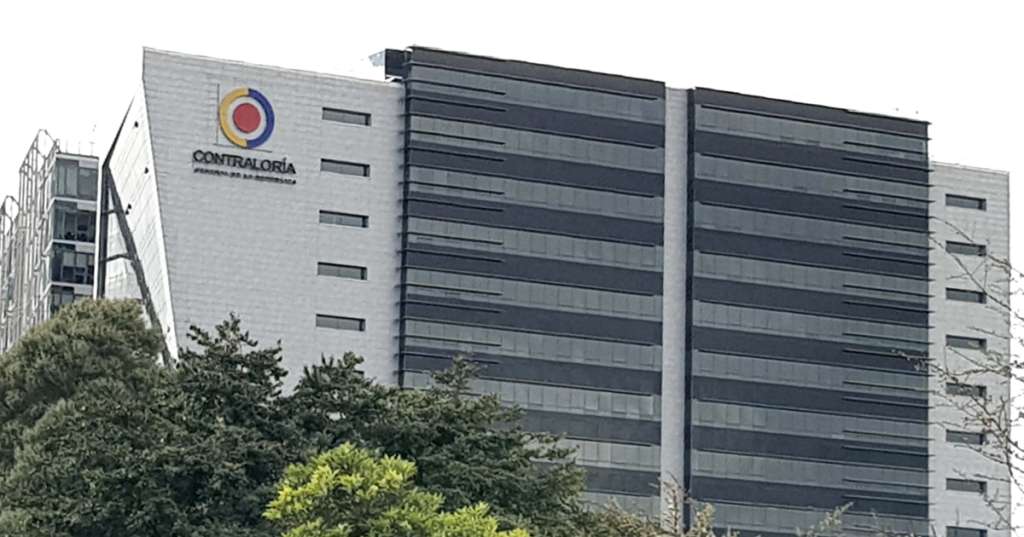
Océano is a big-data analytics platform built by Colombia's Contraloría General de la República (CGR), the country's supreme audit institution, to analyse national contracting and budget information and surface corruption risks for fiscal control. It cross-references contract records with company registers, legal representatives, statutory auditors, contact details, disqualification lists and state-debtor data, and uses network analysis to detect hidden links between bidders.
Presenting the first year of results on 25 October 2019, the CGR reported that Océano had processed 8,678,464 contracts signed between 2014 and 2019. It found 45 contracts held by deceased persons, 119 contractors who should not have been contracting with the state (75 with legal disqualifications, 73 with open fiscal-liability proceedings), and 7,078 contractors — 98% of them companies — who owed the state COP 2.98 trillion while holding contracts worth COP 5.65 trillion.
Its most cited output was the mapping of 'mallas' (contracting networks): groups of people hiding behind consortia and temporary unions to concentrate contracts, which the CGR said accounted for 32.5% of contracting — almost one peso in three. Océano also found 54,155 cases of one legal representative appearing in several companies (one person was linked to 46 companies), 8,324 companies sharing a statutory auditor and 8,749 sharing a phone number.
Caution: the figures come from the CGR itself; La Silla Vacía's fact-check confirmed they matched official statements but did not independently audit the method. The CGR has not published a detailed methodology, false-positive rates or how many alerts led to sanctions or recovered funds. Océano is rule- and graph-based analytics rather than machine learning, and it depends on SECOP procurement data that the platform's own team has described as largely error-prone, requiring cleaning of ID numbers, figures and dates.
Read the full analysis: https://www.elespectador.com/economia/contraloria-encontro-45-contratos-del-estado-con-personas-muertas-article-887944/
Where this practice's information was retrieved from, and when.