Top 16%
in this catalogue (335 scored practices)
Scores cluster high, so position within the catalogue is often more telling than the number alone.
Carbon — sequestration / storage, evidenced1/3
Upstream revegetation and Andean wetland (bofedal) protection yield carbon co-benefits but sequestration is neither certified nor the programme's primary objective.
Biodiversity — conservation / improvement, evidenced2/3
Conservation agreements protect Andean native forests and bofedales; 240+ communities engaged and native-species revegetation documented, but systematic national biodiversity monitoring is absent.
Water & soil — retention, infiltration, erosion control3/3
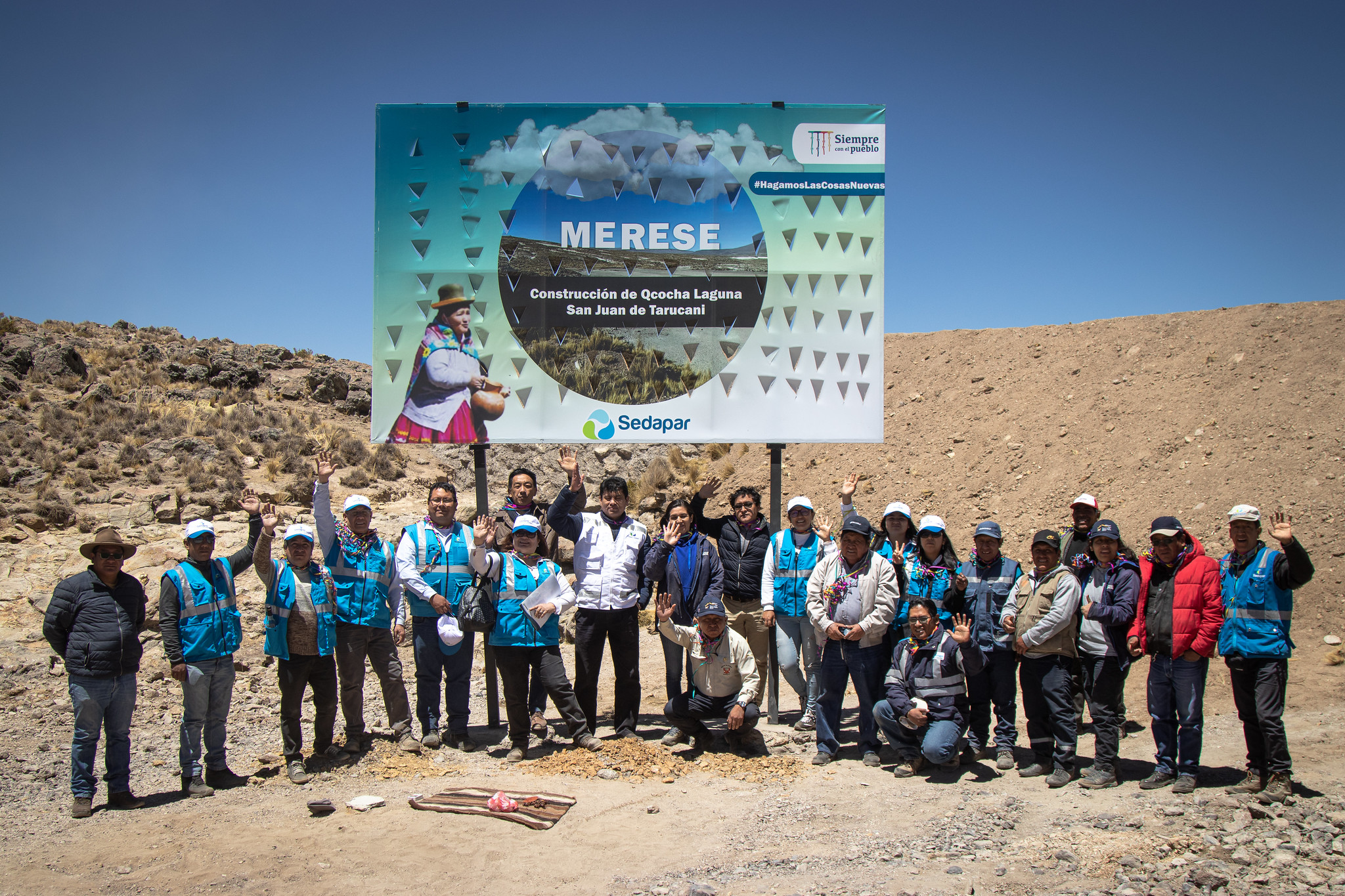
Core objective directly evidenced: SEDACUSCO built 75+ km infiltration trenches; SEDAPAL invested US$25M in Lima's source watershed; 43 utilities linked tariffs to conservation; hydrological restoration outcomes peer-reviewed.
Fire resilience — risk reduction, evidenced0/3
Fire risk reduction is not an objective or documented outcome of the MERESE framework.
Governance, certification & transferability3/3
National law (30215), independent regulatory oversight (SUNASS), publicly accessible MERESE Registry, 49 utility authorisations, GGGI-assessed replication readiness; widely cited as model for global adoption.
Evidoria. Peru MERESE — National Tariff-Based Watershed PES Framework (SUNASS). Persistent ID: fbab060d-075e-4568-a26a-0dbb2ddf60e1.