FIDECOAGUA — Coatepec's Municipal Water Trust for Cloud-Forest Conservation (Mexico)
Mexico
Since 2002/2003, a municipal water-tariff trust in Coatepec, Veracruz has paid forest owners to conserve cloud forest in the Gavilanes …
Peru · Moyobamba · See the Peru profile · See the Moyobamba profile
Evidence: Descriptive / self-reported Top 27% 53/100 · Ask Evidence Copilot about this practice
Since 2008, a one-sol water-tariff surcharge in Moyobamba has funded reforesting 400 ha across three microwatersheds feeding the city's supply, predating Peru's national MERESE law by six years and projected to cut sediment loads by up to 25,000 tonnes over 20 years.
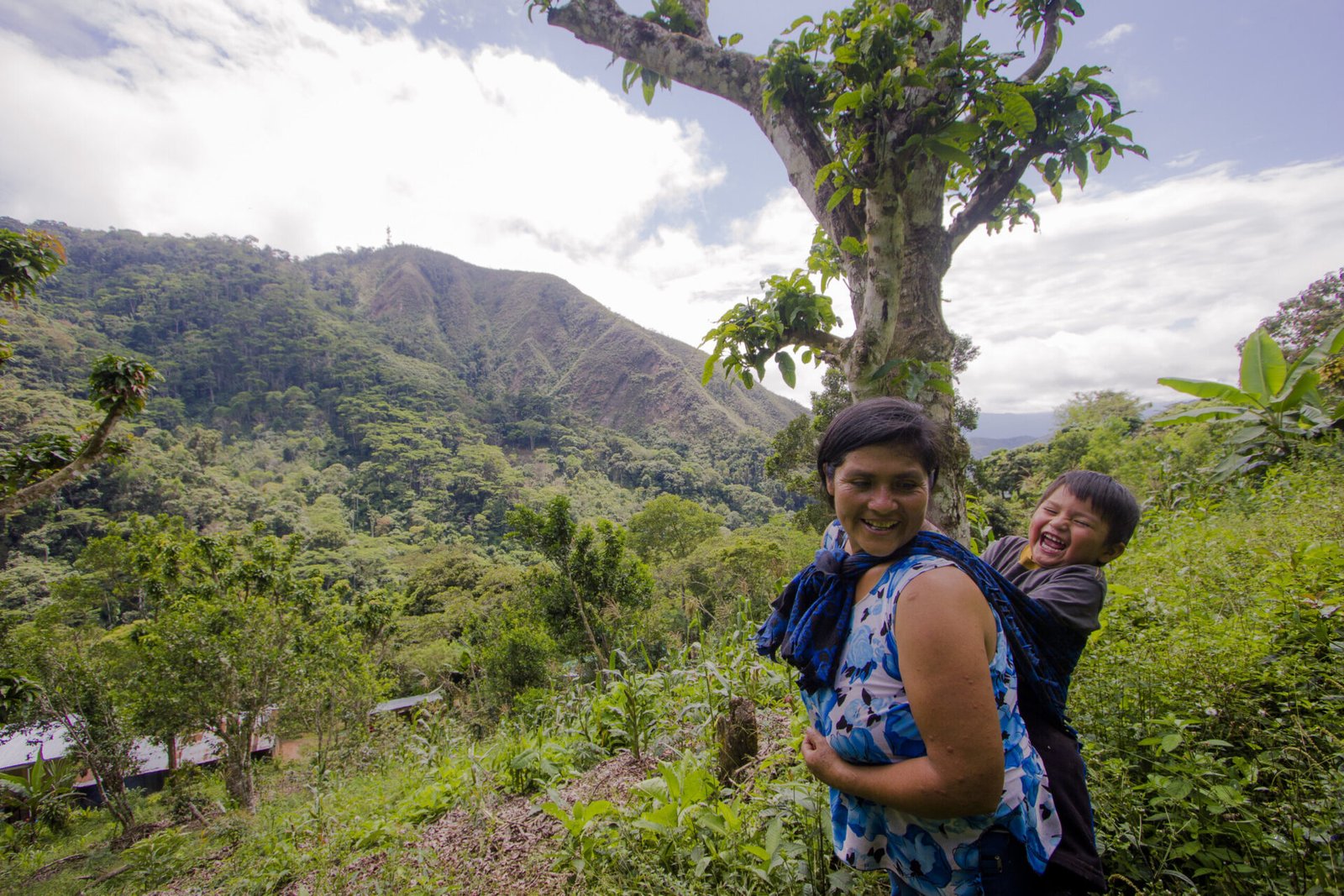
Since 2008, EPS Moyobamba (the municipal water utility of Moyobamba, in Peru's San Martín region) has charged a S/1.00 (~US$0.27) monthly surcharge per active water connection to fund conservation of the Rumiyacu, Mishquiyacu and Almendra microwatersheds that supply the city's drinking water. Deforestation and unsustainable land use on these steep slopes had raised sediment and turbidity reaching the intake works, increasing treatment costs and reducing dry-season flow. The scheme predates Peru's national MERESE law (Ley 30215, 2014) by six years and is cited by SUNASS and MINAM as the country's founding case.
Rather than expand treatment infrastructure, EPS Moyobamba — with SUNASS regulatory oversight, technical support from CONDESAN, and a multi-stakeholder Merese Moyobamba steering committee — channels tariff revenue into reforestation, erosion control, capacity-building and hydrological monitoring on private and communal land in the watershed.
Under a phase documented by CONDESAN in 2021, S/3.5 million was invested to reforest 400 hectares with native species, benefiting an estimated 42,733-49,556 residents depending on the official communication cited. Engineers project the restoration will increase dry-season flow by about 24 litres/second and cut long-term sediment loads reaching the intake by 22,000-25,000 tonnes over 20 years. The model has since been replicated by 49 other water utilities (EPS) across Peru under the national MERESE framework; EMAPA San Martín alone executed over S/770,000 through the mechanism by mid-2023.
The sediment-reduction and flow figures are engineering projections rather than independently verified long-term monitoring results, and beneficiary/investment figures vary across official communications, reflecting the programme's incremental, multi-donor structure rather than a single audited baseline.
National / regional programmes
Indicative funding routes for practices of this type — always check each programme's current calls and eligibility rules.
Do you run this practice? Claim it — verified implementers get a public contact pathway and can propose corrections.
Where this practice's information was retrieved from, and when.
Mexico
Since 2002/2003, a municipal water-tariff trust in Coatepec, Veracruz has paid forest owners to conserve cloud forest in the Gavilanes …
Colombia
Cali's municipal environment agency DAGMA pays rural landowners to protect the city's water sources: 238 agreements signed by June 2026 …
United States of America
After 1996 and 2002 wildfires choked Denver's reservoirs with sediment, Denver Water and the US Forest Service treated 120,000+ acres …
Australia
Melbourne has kept the public and farming out of its mountain-ash forest catchments since 1879, so over 65% of its …
Open full copilot Grounded in cited practices — always check the sources.