Brazil's Maria da Penha Law (Lei 11.340/2006) — Integrated Domestic Violence Protection Framework
Brazil
Lei 11.340/2006 created specialist courts, 48-hour emergency protective orders, and a multi-agency GBV network. IPEA (TD 2048, 2015) found a …
Seychelles · Victoria · See the Seychelles profile · See the Victoria profile
Evidence: Descriptive / self-reported Top 67% 52/100 · Ask Evidence Copilot about this practice
In June 2020 Seychelles replaced its 2000 family-violence law with a Domestic Violence Act covering psychological, economic and sexual abuse and barring victims from withdrawing police complaints, after Commonwealth-backed research found gender-based violence cost 4.6% of GDP.
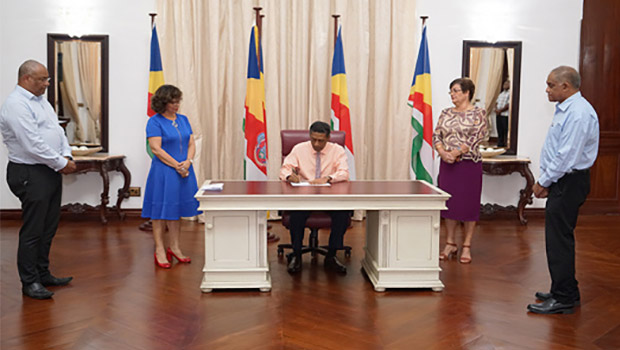
On 10 June 2020, President Danny Faure signed Seychelles' Domestic Violence Act, replacing the Family Violence (Protection of Victims) Act of 2000. The new law, passed unanimously by the National Assembly, criminalises verbal, physical, emotional, sexual, economic and psychological abuse, and closes a longstanding loophole by barring complainants from withdrawing a case once it has been filed with police.
The reform's evidence base included an economic-cost study, a review of Seychelles' legal and policy framework, and training of officials and lawmakers ahead of the vote. Following passage, 25 police officers received specialised training in handling rape and serious sexual-assault cases.
The Ministry of Family Affairs recorded 371 domestic-violence reports in 2019 alone, more than 5,400 cases had reached the Family Tribunal between 2009 and 2019, and the Commonwealth's cost analysis put the toll of gender-based violence at 4.6% of GDP in 2016.
No publicly verifiable case, prosecution or conviction data has been published since the law took effect, and a 2023 Afrobarometer survey found Seychellois still rank gender-based violence as the top unresolved women's-rights issue in the country.
National / regional programmes
Indicative funding routes for practices of this type — always check each programme's current calls and eligibility rules.
Do you run this practice? Claim it — verified implementers get a public contact pathway and can propose corrections.
Where this practice's information was retrieved from, and when.
Brazil
Lei 11.340/2006 created specialist courts, 48-hour emergency protective orders, and a multi-agency GBV network. IPEA (TD 2048, 2015) found a …
Norway
Europe's first therapeutic treatment centre for IPV perpetrators (Oslo, 1987), ATV now operates 15 offices in Norway. An NKVTS outcome …
France
France's 2019 Grenelle against domestic violence produced 54 measures; 52 fully implemented. Emergency shelter capacity more than doubled (5,000→11,200+ places), …
Czechia
Running in Prague since 2009, Diakonie ČCE's Stop násilí offers six therapy tracks — individual, group, couples, probation, court-ordered and …
Open full copilot Grounded in cited practices — always check the sources.