DigiTel — Tel Aviv's Personalised Civic Data Platform for Residents
Israel
Tel Aviv's DigiTel platform personalises municipal services for almost 200,000 residents (60%+ of those eligible) via data fed by 200 …
United Kingdom · Bristol · See the United Kingdom profile · See the Bristol profile
Evidence: Descriptive / self-reported Top 50% 67/100 · Ask Evidence Copilot about this practice
Since 2016, Knowle West Media Centre has run the Bristol Approach to Citizen Sensing, an EU Horizon 2020-funded (REPLICATE project) methodology letting residents build and use sensors on issues they choose, from damp homes to park biodiversity.
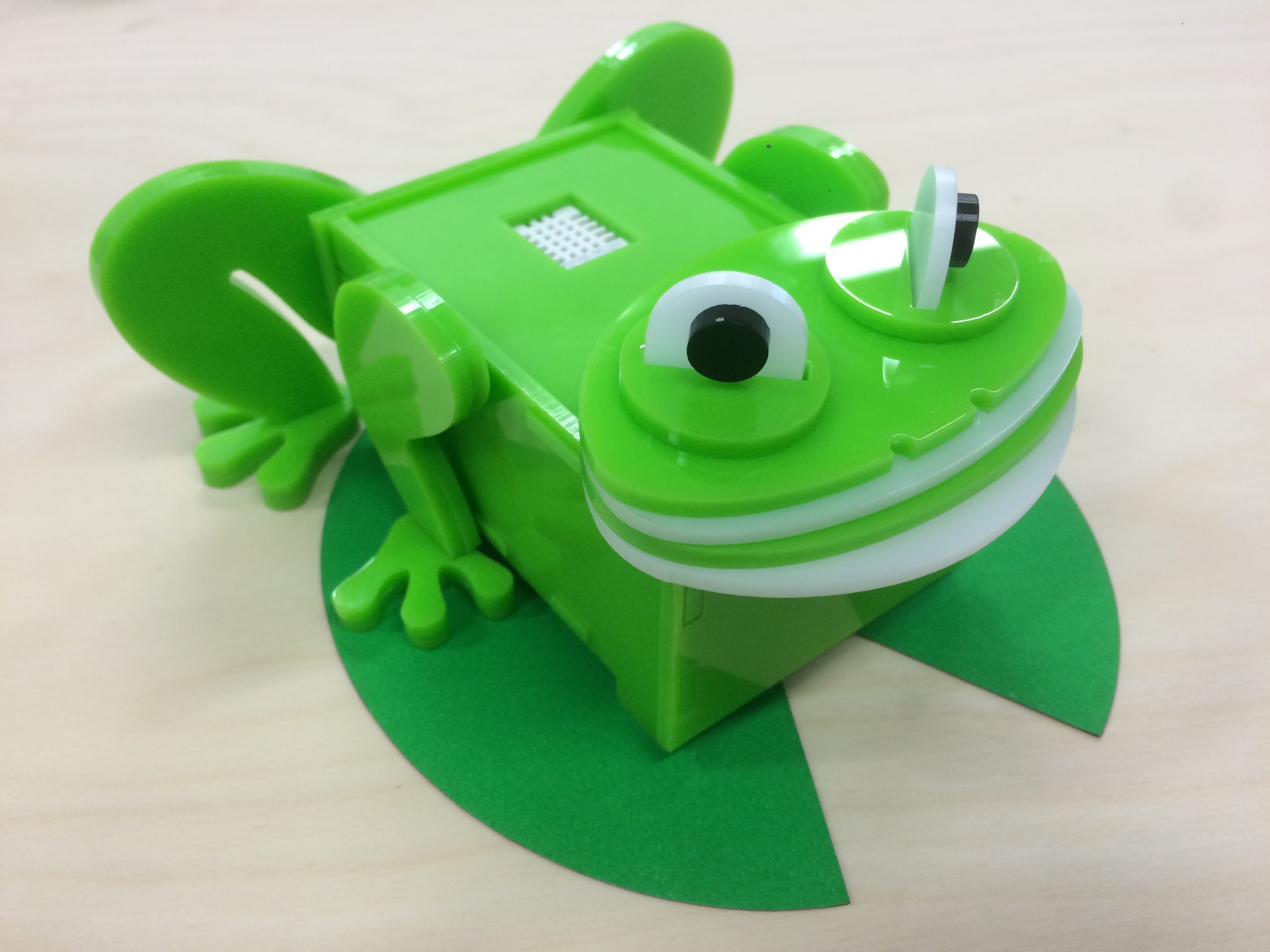
The Bristol Approach to Citizen Sensing is a community-led data methodology developed by the Bristol-based arts and technology charity Knowle West Media Centre (KWMC), together with the Barcelona-based Ideas for Change and Bristol City Council, with development beginning in 2016.
Rather than a single sensor deployment, it is a repeatable process — co-design workshops, skills training and storytelling — through which residents choose issues that matter to them, then build, use or act as sensors to gather evidence, including a 'Damp Busters' project with a frog-shaped temperature-and-humidity sensor, and separate groups tracking trader footfall and park biodiversity.
It has run within REPLICATE, a five-year EU Horizon 2020 smart-city programme (Bristol, San Sebastián and Florence) that funded citizen-sensing and air-quality work through KWMC's 'Created by Us' strand.
As a methodology rather than a single deployed sensor network, the Bristol Approach has not published a consolidated evaluation with participant or sensor counts, and no independent audit of its outcomes was found; it remains a well-documented, transferable participatory process rather than a single measured technology deployment.
Indicative funding routes for practices of this type — always check each programme's current calls and eligibility rules.
Do you run this practice? Claim it — verified implementers get a public contact pathway and can propose corrections.
Where this practice's information was retrieved from, and when.
Israel
Tel Aviv's DigiTel platform personalises municipal services for almost 200,000 residents (60%+ of those eligible) via data fed by 200 …
South Korea
City-owned social innovation campus opened 2015 on a converted government site in Seoul. Hosts 235 organisations and 1,200+ innovators working …
Spain
A €150m, multi-sector plan for 16 deprived Barcelona neighbourhoods (225,631 residents). A peer-reviewed pre-post study with comparison group found health …
Finland
Since 2011, Helsinki, Espoo, Vantaa and Kauniainen have jointly run a shared open-data service now covering about 1,000 datasets on …
Open full copilot Grounded in cited practices — always check the sources.