Virtualahan — Universal-Design Digital Skills Training and Jobs for Persons with Disabilities
Philippines
Since 2015, Davao City's Virtualahan has trained persons with disabilities and other excluded groups as digital freelancers via an online, …
Antigua and Barbuda · St. John's · See the Antigua and Barbuda profile · See the St. John's profile
Evidence: Descriptive / self-reported Top 61% 68/100 · Ask Evidence Copilot about this practice
In March-April 2024, UNESCO and Antigua & Barbuda's Ministry of Education ran Youth Media & Information Literacy engagements reaching 338 stakeholders (46 youth, 3 disability orgs), training School for the Deaf educators; a regional follow-up extended the model in 2026.
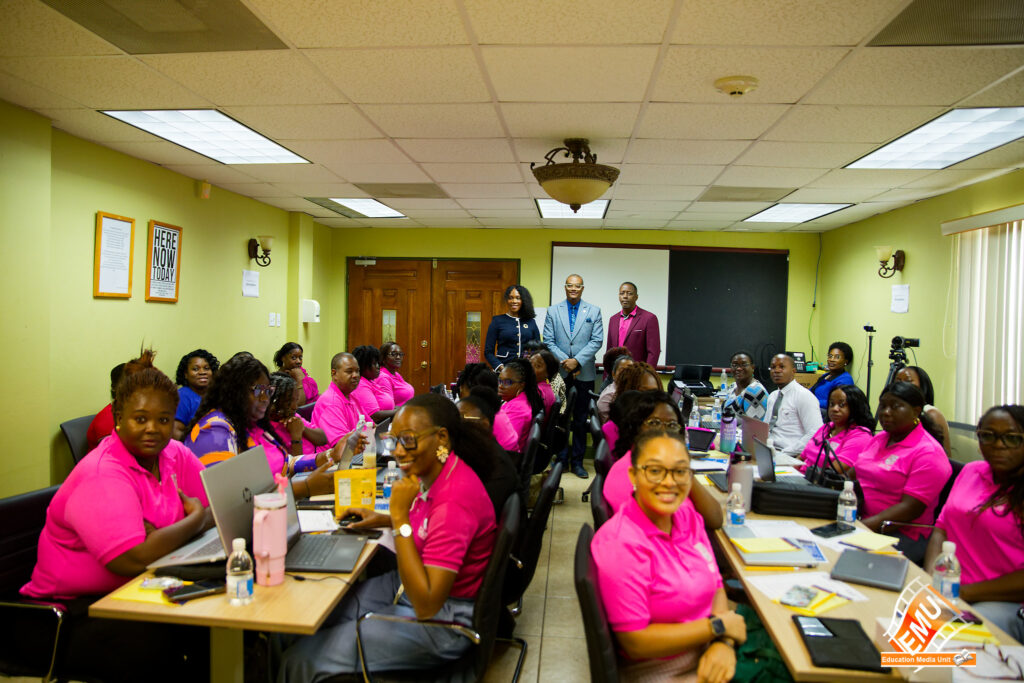
UNESCO partnered with Antigua and Barbuda's Ministry of Education to deliver a series of Youth, Media and Information Literacy engagements in March and April 2024, responding to small Caribbean island states' growing exposure to online misinformation and gaps in accessible digital and media education for students with disabilities.
Sessions covered media and information literacy, misinformation, disinformation and online hate speech, digital mental-health management, the legal rights of youth online, and digital media communication. A dedicated strand trained special-education teachers, including educators at the School for the Deaf, on using Google Classroom and other digital tools to make lessons more inclusive for students with disabilities.
UNESCO's published report on the engagements records that 338 stakeholders were reached, including representatives of 46 youth organisations and 3 disability organisations.
The model was extended regionally in June 2026 through a hybrid Media Information Literacy training hosted by the Government of Antigua and Barbuda, bringing together special-education teachers from Antigua and Barbuda, St Kitts and Nevis, and Grenada. The published evidence so far consists of participation counts rather than an independent evaluation of literacy gains or classroom outcomes, so impact evidence remains preliminary.
Implementation detail (cost, timeline, staffing, conditions for success) is not yet available for this practice.
National / regional programmes
Indicative funding routes for practices of this type — always check each programme's current calls and eligibility rules.
Do you run this practice? Claim it — verified implementers get a public contact pathway and can propose corrections.
Where this practice's information was retrieved from, and when.
Philippines
Since 2015, Davao City's Virtualahan has trained persons with disabilities and other excluded groups as digital freelancers via an online, …
Indonesia
Indonesia's government-run digital training marketplace reached 14.3 million low-income adults in all 34 provinces by 2022; 65% opened their first …
France
Since 2013, French nonprofit Emmaüs Connect has combined refurbished devices, subsidised connectivity and digital-skills coaching through a nationwide 'Connexions Solidaires' …
Côte d'Ivoire
A 1,200 m² hub in Abidjan's Plateau district combining a free coding school, a solidarity FabLab, a startup accelerator and …
Open full copilot Grounded in cited practices — always check the sources.