Year of Return & Beyond the Return — Ghana's Decade-Long Diaspora Homecoming Campaign
Ghana
Ghana's 2019 Year of Return drew 1.13m international arrivals (+27% YoY) and US$3.3bn in tourism revenue per the Tourism Ministry, …
Ghana · Accra · See the Ghana profile · See the Accra profile
Evidence: Descriptive / self-reported Top 74% 57/100 · Ask Evidence Copilot about this practice
Ghana's 2019 Year of Return drew 200,000+ diaspora travelers and an est. $1.9bn in tourism spending, granting 126 diaspora members citizenship — but Harvard research documents inflation and housing displacement as side effects of the ongoing 'Beyond the Return' programme.
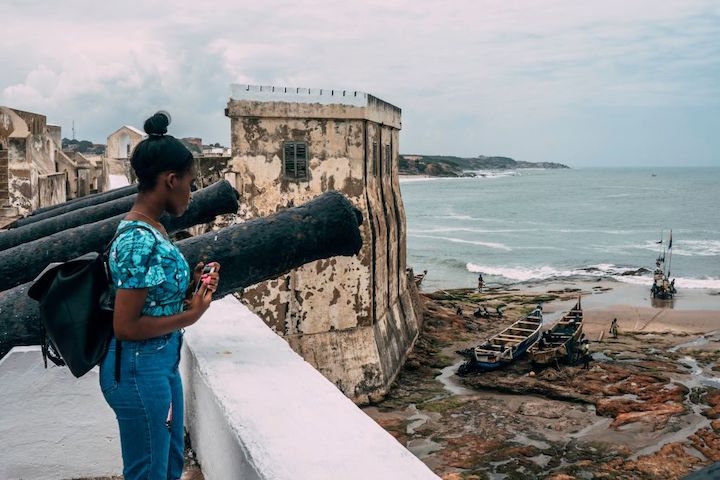
Ghana's Year of Return launched in 2019, marking 400 years since the first recorded enslaved Africans arrived in Virginia, and was led by the Ministry of Tourism, Arts and Culture and the Ghana Tourism Authority under President Nana Akufo-Addo's administration, working with the diaspora-affairs office of the Office of the President.
Activities included homecoming festivals, heritage tours to slave forts, business and investment summits, and a formal citizenship track for verified diaspora applicants. The programme continued as 'Beyond the Return' (2020-2030), though large in-person ceremonies paused during 2020-2021 due to COVID-19.
Tourism Minister Barbara Oteng-Gyasi stated in December 2019 that Year of Return activities added an estimated $1.9 billion to Ghana's economy and drew more than 200,000 diaspora travelers, part of Ghana's overall 1.13 million visitors that year — an 18% rise on 2018 — with average tourist spending rising to $2,589 per visitor. Ghana granted citizenship to 126 diaspora applicants in 2019, with most other approved applicants receiving indefinite 'right of abode' residency status rather than full naturalisation.
A Harvard Kennedy School Student Policy Review analysis (January 2020) documents unintended domestic consequences: local vendors raising prices for wealthier international visitors, rising city-centre housing costs as landlords target returnees and diaspora buyers (pushing working residents to longer commutes), foreign-investment incentives linked in a cited 2018 study to crowding out local small businesses, and government focus on the diaspora initiative even as 23.4% of Ghanaians lived below the poverty line and youth unemployment stood at 13.7% (2018 figures). Diaspora advocates separately criticised administrative aspects of the citizenship pathway, including short DNA-verification windows, and Ghana has since paused and revised parts of the citizenship process amid oversight concerns.
National / regional programmes
Indicative funding routes for practices of this type — always check each programme's current calls and eligibility rules.
Do you run this practice? Claim it — verified implementers get a public contact pathway and can propose corrections.
Where this practice's information was retrieved from, and when.
Ghana
Ghana's 2019 Year of Return drew 1.13m international arrivals (+27% YoY) and US$3.3bn in tourism revenue per the Tourism Ministry, …
Lithuania
Since 2012, Invest Lithuania's Create Lithuania programme has recruited about 20 diaspora and international professionals a year into paid one-year …
Aruba
Aruba's Tourism Authority let remote workers extend stays to 90 days via a travel-card designation instead of a new visa. …
Seychelles
Seychelles launched its Workation Retreat Programme in April 2021, a one-year remote-work visa for people earning income abroad. Its distinguishing …
Open full copilot Grounded in cited practices — always check the sources.