Guyana's One-Third Gender Candidate Quota — Two Decades of Sustained Representation
Guyana
Since a 2000 constitutional and electoral-law reform, Guyana has required at least one-third women on every party's candidate list. A …
Algeria · Algiers · See the Algeria profile · See the Algiers profile
Evidence: Observational / pre–post Top 78% 41/100 · Ask Evidence Copilot about this practice
Algeria's 2012 quota law (Organic Law 12-03) lifted women's share of parliamentary seats from 7.7% to 31.6% by rejecting non-compliant lists outright. A 2021 electoral reform replaced the enforceable quota with a nominal parity rule, and women's representation collapsed back to 8
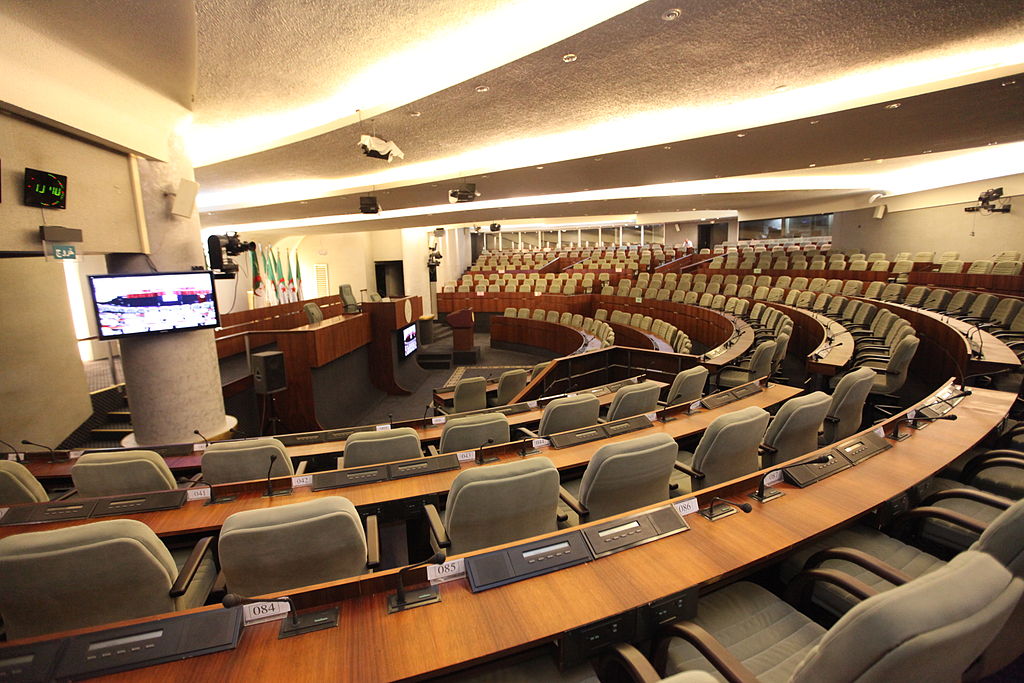
Algeria's 2012 Organic Law 12-03 introduced a sliding-scale candidate quota (20-50% women, varying by constituency) with hard enforcement: non-compliant lists were rejected outright and parties received extra funding per woman elected.
Women's parliamentary seat share rose from 7.7% (2007) to 31.6% (2012) — one of the largest single-election jumps recorded worldwide — and held at 25.76% (2017). In 2021, Algeria replaced the closed reserved-seat list with an open list and a non-binding 'parity' requirement; women's share collapsed to 8.11%.
One of the starkest documented illustrations that a candidate quota's design and enforcement mechanism, not just its stated target, determines whether it converts into actual seats.
National / regional programmes
Indicative funding routes for practices of this type — always check each programme's current calls and eligibility rules.
Do you run this practice? Claim it — verified implementers get a public contact pathway and can propose corrections.
Where this practice's information was retrieved from, and when.
Guyana
Since a 2000 constitutional and electoral-law reform, Guyana has required at least one-third women on every party's candidate list. A …
Benin
Benin's November 2019 reform expanded parliament from 83 to 109 seats and reserved 24 seats exclusively for women, one per …
Serbia
Serbia's 2020 electoral reform raised the mandatory gender quota on party lists from one-in-three to 40%, with non-compliant lists barred …
Mauritius
Mauritius's 2011 Local Government Act required parties to field at least one-third candidates of each sex for municipal and village …
Open full copilot Grounded in cited practices — always check the sources.