Guyana's One-Third Gender Candidate Quota — Two Decades of Sustained Representation
Guyana
Since a 2000 constitutional and electoral-law reform, Guyana has required at least one-third women on every party's candidate list. A …
Benin · Porto-Novo · See the Benin profile · See the Porto-Novo profile
Evidence: Observational / pre–post Top 29% 82/100 · Ask Evidence Copilot about this practice
Benin's November 2019 reform expanded parliament from 83 to 109 seats and reserved 24 seats exclusively for women, one per constituency. In the 2023 election, women won 28 seats (25.7%) — more than tripling their 7.2% share from 2019 — though the reform was passed by an oppositio
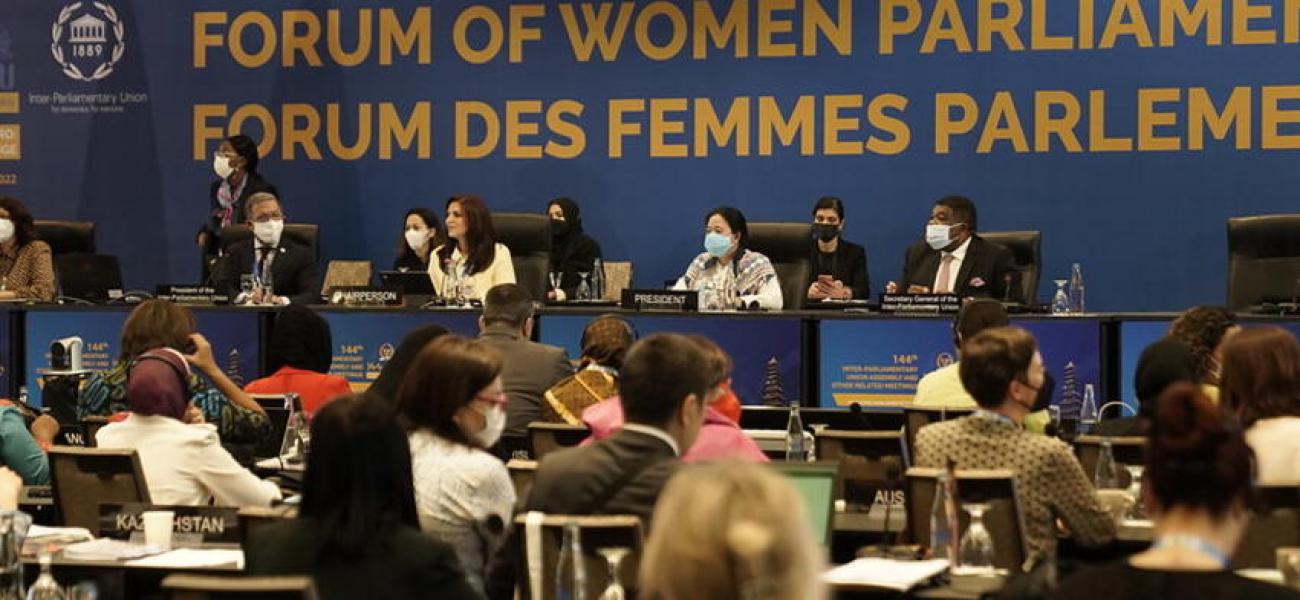
Benin's electoral code was amended in November 2019 to expand the National Assembly from 83 to 109 seats and reserve 24 seats exclusively for women candidates, one per constituency, on top of the ordinary party-list contest for the remaining 85 seats.
In the April 2019 election, only 6 of 83 members elected (7.23%) were women. Following the reform, the January 2023 election returned 28 of 109 members (25.69%) as women, an 18.5 percentage-point jump, according to IPU Parline and UN Africa Renewal. Of these, 24 women won reserved seats and 4 more won ordinary, non-reserved seats outright, according to Beninese outlet Banouto's constituency-level tally.
The April 2019 election that produced the reforming legislature was itself non-competitive, as new candidacy rules excluded all opposition parties, prompting Freedom House to downgrade Benin from 'Free' to 'Partly Free' amid protests and an internet shutdown; the 24-seat reform therefore passed through an opposition-free assembly. In the resulting 2023 cohort, 21 of the 28 elected women belonged to the two ruling-coalition parties versus 7 for the opposition, roughly mirroring the ruling coalition's overall 81-of-109 seat dominance, raising a question of whether the reform served gender equality alone or also the ruling coalition's legitimacy-building. Only one post-reform election has been held, so the reform's durability is not yet evidenced.
Implementation detail (cost, timeline, staffing, conditions for success) is not yet available for this practice.
National / regional programmes
Indicative funding routes for practices of this type — always check each programme's current calls and eligibility rules.
Do you run this practice? Claim it — verified implementers get a public contact pathway and can propose corrections.
Where this practice's information was retrieved from, and when.
Guyana
Since a 2000 constitutional and electoral-law reform, Guyana has required at least one-third women on every party's candidate list. A …
Algeria
Algeria's 2012 quota law (Organic Law 12-03) lifted women's share of parliamentary seats from 7.7% to 31.6% by rejecting non-compliant …
Serbia
Serbia's 2020 electoral reform raised the mandatory gender quota on party lists from one-in-three to 40%, with non-compliant lists barred …
Mauritius
Mauritius's 2011 Local Government Act required parties to field at least one-third candidates of each sex for municipal and village …
Open full copilot Grounded in cited practices — always check the sources.