Zambia GEWEL — Girls' Education, Women's Empowerment and Livelihoods Programme
Zambia
Zambia's GEWEL programme (World Bank/GoZ) delivers livelihood packages to poor rural women and school stipends to vulnerable girls. By end-2024: …
Ethiopia · Bahir Dar · See the Ethiopia profile
Evidence: Quasi-experimental Top 26% 85/100 · Ask Evidence Copilot about this practice
Two-year pilot in Amhara, Ethiopia (2004–2006) combining a conditional goat transfer for unmarried girls in school, safe-space mentoring and SRH education. Girls 10–14 were 10× less likely to have been married (OR 0.1) and 3× more likely to be in school (OR 3.0) at endline.
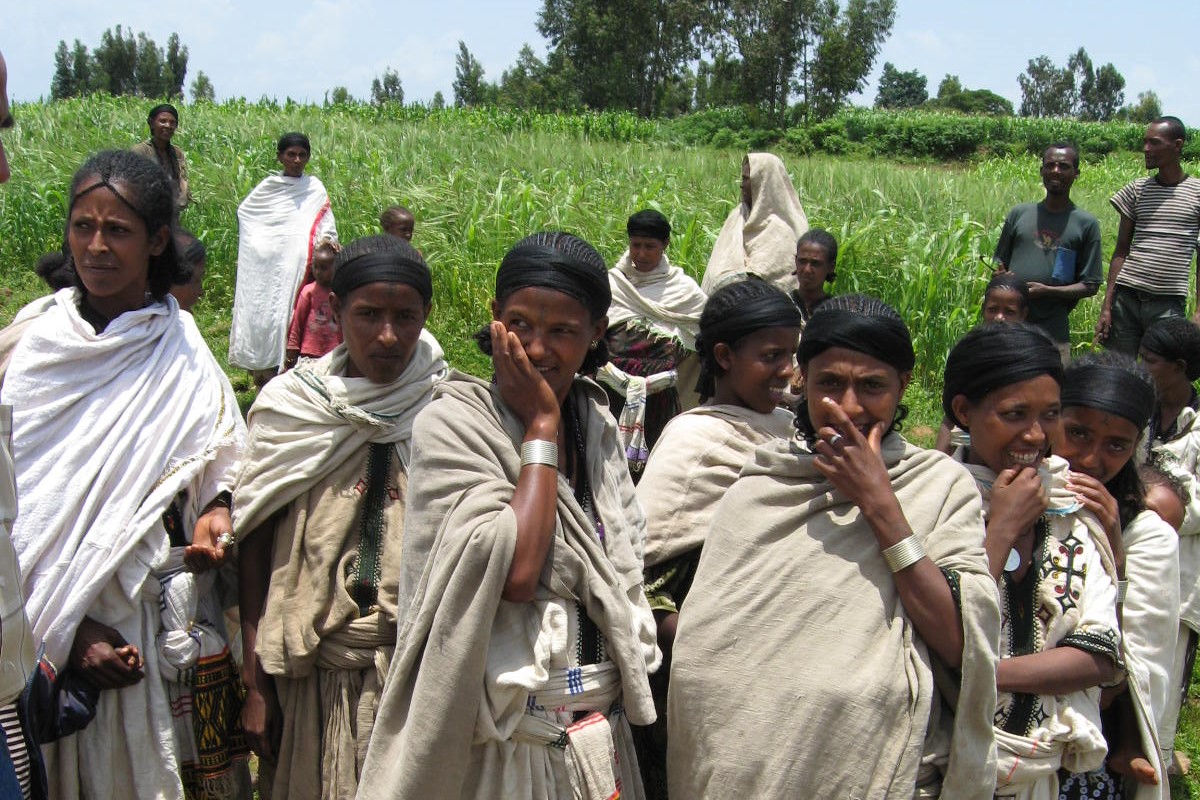
Berhane Hewan ('Light for Eve') was a two-year (2004-2006) community-based pilot in Mosebo village, Amhara Region, Ethiopia, run by the Population Council with the Amhara Regional Bureau of Youth and Sport, combining a conditional goat transfer for unmarried girls who stayed in school, weekly safe-space mentoring, and community awareness sessions on child marriage.
Erulkar & Muthengi (2009) compared 462 intervention girls with 464 controls at endline: girls aged 10-14 in the programme site were ten times less likely to have ever married (OR 0.1, p<0.001) and three times more likely to be enrolled in school (OR 3.0, p<0.001), with significant improvement in contraceptive knowledge and use (OR 2.9).
Among girls aged 15-19, programme exposure was associated with elevated marriage likelihood at endline (OR 2.4), suggesting a 'catching-up' effect as some families accelerated marriages before the intervention ended -- highlighting the need for sustained, community-wide programming beyond time-limited cohorts. Berhane Hewan became a widely cited model that directly informed BRAC's ELA programme, later evaluated by RCT in Uganda.
Implementation detail (cost, timeline, staffing, conditions for success) is not yet available for this practice.
Philanthropic / foundation funding
Indicative funding routes for practices of this type — always check each programme's current calls and eligibility rules.
Do you run this practice? Claim it — verified implementers get a public contact pathway and can propose corrections.
Where this practice's information was retrieved from, and when.
Zambia
Zambia's GEWEL programme (World Bank/GoZ) delivers livelihood packages to poor rural women and school stipends to vulnerable girls. By end-2024: …
Ethiopia
Berhane Hewan (2004–2006) paired mentors, school supplies and a livestock incentive in Mosebo, Amhara, Ethiopia. Participating girls were three times …
Malawi
Since becoming senior chief of Dedza in 2003, Theresa Kachindamoto used her authority over ~900,000 people and a network of …
Malawi
A 2008–2009 randomised cash-transfer trial in Zomba, Malawi, paid school fees and stipends to 3,796 girls. Enrolment rose and early …
Open full copilot Grounded in cited practices — always check the sources.