Zambia GEWEL — Girls' Education, Women's Empowerment and Livelihoods Programme
Zambia
Zambia's GEWEL programme (World Bank/GoZ) delivers livelihood packages to poor rural women and school stipends to vulnerable girls. By end-2024: …
Malawi · Zomba · See the Malawi profile
Evidence: Randomised controlled trial Top 45% 70/100 · Ask Evidence Copilot about this practice
A 2008–2009 randomised cash-transfer trial in Zomba, Malawi, paid school fees and stipends to 3,796 girls. Enrolment rose and early marriage/pregnancy fell among transfer recipients, but several effects, including marriage for in-school girls, faded once payments stopped.
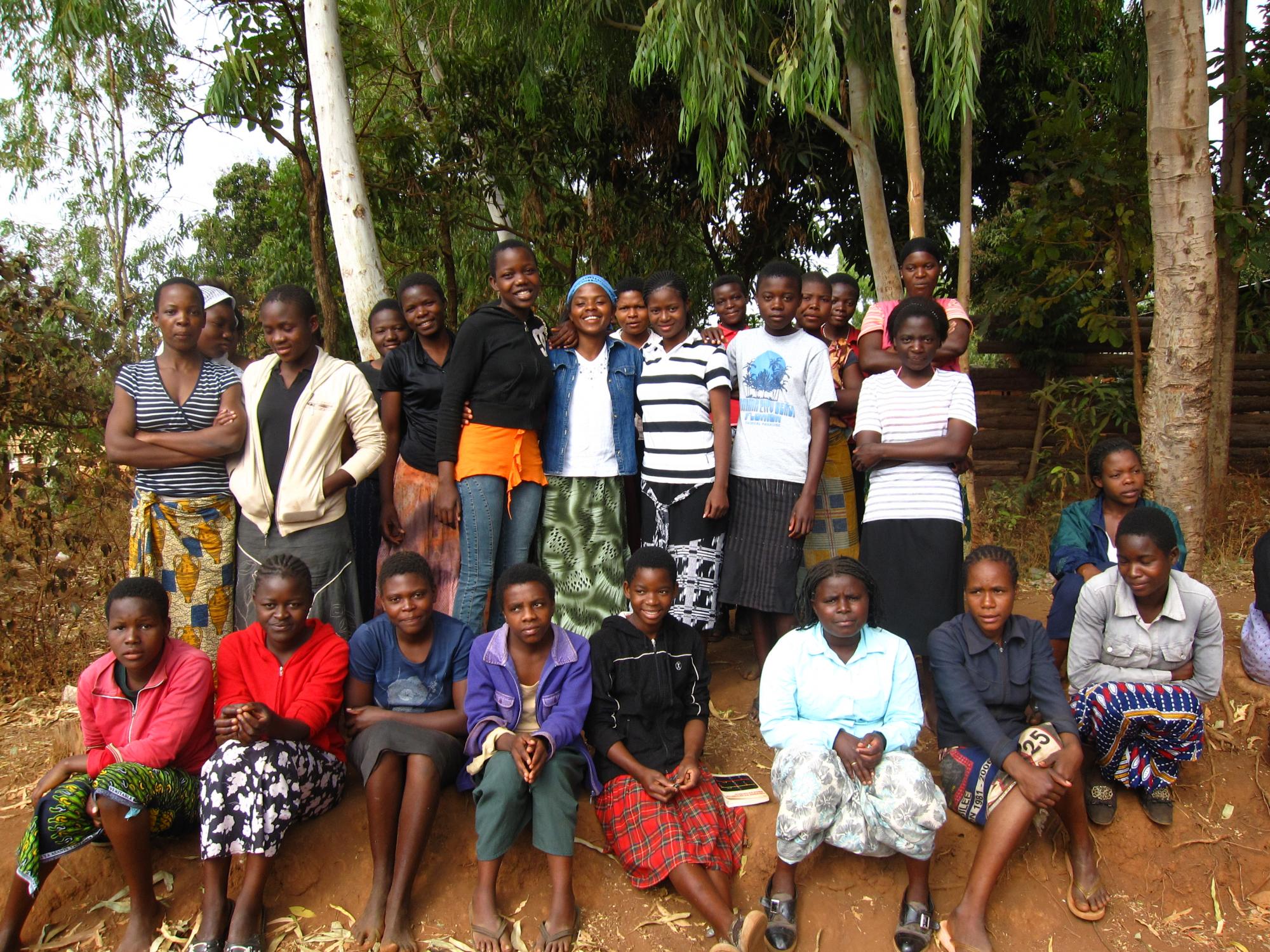
Between February 2008 and December 2009, the World Bank and J-PAL ran a randomised controlled trial in Zomba district, Malawi, offering conditional cash transfers (CCT, paid only if the girl attended school) and unconditional cash transfers (UCT) to 3,796 unmarried girls and young women aged 13–22, split between girls still enrolled at baseline (2,907) and recent dropouts (889).
The trial tested whether conditioning transfers on school attendance, versus giving them unconditionally, produced different effects on education, marriage, pregnancy and health outcomes.
Among baseline dropouts, the CCT arm produced a 45-percentage-point increase in school re-enrolment and a 12-percentage-point reduction in the likelihood of marrying within the study period. Among baseline schoolgirls, the CCT arm raised enrolment by 8 percentage points, while the UCT arm reduced the probability of marriage by 8 points and of pregnancy by 7 points during the transfer period. Two years after transfers ended, CCT dropouts had completed 0.6 additional years of schooling on average, and HIV prevalence in transfer-recipient groups was roughly a third of the comparison group's rate (1.2% versus 3%) while payments were active.
Medium-term follow-up found that neither the CCT nor the UCT arm had a lasting effect on marriage among baseline schoolgirls once transfers stopped, the short-term HIV/HSV-2 gains did not persist, and no improvements in labour-market outcomes were detected. Time-limited transfers can shift schooling and health outcomes strongly while active, but do not guarantee durable change once the incentive is withdrawn.
Do you run this practice? Claim it — verified implementers get a public contact pathway and can propose corrections.
Where this practice's information was retrieved from, and when.
Zambia
Zambia's GEWEL programme (World Bank/GoZ) delivers livelihood packages to poor rural women and school stipends to vulnerable girls. By end-2024: …
Congo
Congo's Lisungi safety-net project paid cash transfers and business grants directly to women, reaching 76,000 cash-transfer beneficiaries and 95,000 business-grant …
Ethiopia
Two-year pilot in Amhara, Ethiopia (2004–2006) combining a conditional goat transfer for unmarried girls in school, safe-space mentoring and SRH …
Bangladesh
Bangladesh's FSSAP (1994) provides conditional stipends and fee waivers to rural girls in secondary school. It supported 2 million+ girls …
Open full copilot Grounded in cited practices — always check the sources.