Statens Barnehus — Norway's National Network of Children's Houses for Child Victims of Violence and Abuse
Norway
Norway's Barnehus network combines forensic interview, medical exam and therapy for child victims of violence under one roof. A 2021 …
Brazil · Campo Grande · See the Brazil profile
Evidence: Observational / pre–post Top 67% 52/100 · Ask Evidence Copilot about this practice
Brazil's one-stop centre co-locates police, courts and psychosocial support for women survivors of violence. Expanded to 13 of 27 planned units since 2015, but audits found near-zero budget execution some years and no reliable service count.
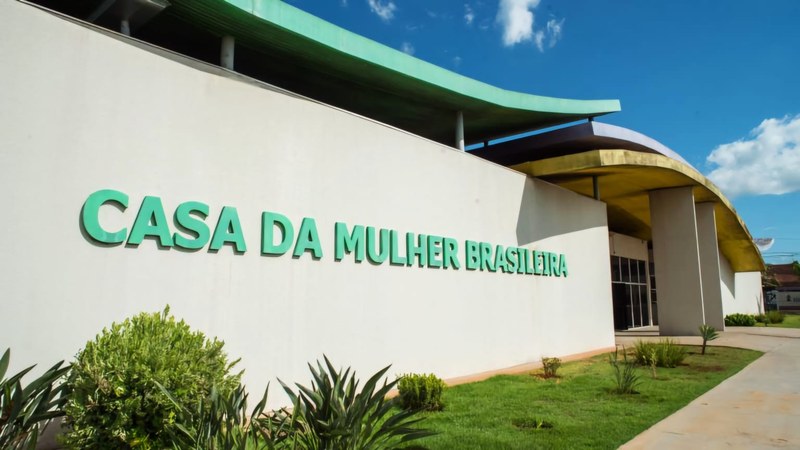
Casa da Mulher Brasileira (CMB) is the Brazilian federal government's model for integrated support to women survivors of violence, established by Decree 8,086 of 30 August 2013 and re-instituted by Decree 11,431/2023 under the Ministerio das Mulheres.
Each unit co-locates a women's specialised police station, a court division, public defenders and prosecutors, psychosocial and employment-support teams, a childcare playroom and temporary shelter under one roof, so survivors do not have to retell their story across multiple agencies.
The first unit opened in Campo Grande, Mato Grosso do Sul, on 3 February 2015; a decade later, only 13 of the 27 originally planned units are operating, with a further 32 reported 'in implementation'.
Campo Grande alone recorded over 1.6 million psychosocial consultations, more than 80,000 police reports and 63,000 protective measures between 2015 and 2024; nationally the network logged roughly 426,500 service contacts in 2024, up from about 197,000 in 2023.
Independent oversight has repeatedly flagged the programme's fragility: Brazil's federal audit court found the ministry could not reliably determine the quantity of services and referrals actually provided to victims, a companion audit found an 80% cut to the coordinating secretariat's budget and a 42% staff reduction since 2015, and budget-watchdog INESC documented federal fund execution as low as 0.48% in 2020.
National / regional programmes
Indicative funding routes for practices of this type — always check each programme's current calls and eligibility rules.
Do you run this practice? Claim it — verified implementers get a public contact pathway and can propose corrections.
Where this practice's information was retrieved from, and when.
Norway
Norway's Barnehus network combines forensic interview, medical exam and therapy for child victims of violence under one roof. A 2021 …
Australia
Victoria's 'Orange Door' family-violence hubs, mandated by a 2016 Royal Commission, opened understaffed in 2018 and were audited as failing …
El Salvador
Six centres co-locating 18 state agencies showed in a 2016 IDB RCT that participating women used 43% more public services …
Sweden
Sweden's 28 Barnahus co-locate police, social services, prosecution and child psychiatry for child victims of sexual abuse. Evaluations show conviction …
Open full copilot Grounded in cited practices — always check the sources.