Liste Zébrée: Gender-Alternation Candidate Lists for Local Elections
Central African Republic
CAR's 2016 law set a 35% women-candidate quota. "Zebra list" alternation lifted local council representation to 45-53%, versus 12.5% of …
Venezuela · Caracas · See the Venezuela profile · See the Caracas profile
Evidence: Descriptive / self-reported Top 72% 48/100 · Ask Evidence Copilot about this practice
Venezuela's CNE has issued last-minute gender-parity rules since 2020, but compliance is weak: just 3 of 26 parties met the 2020 rules, women won only 33.57% of Assembly seats, and by 2025 no parity rules were even published.
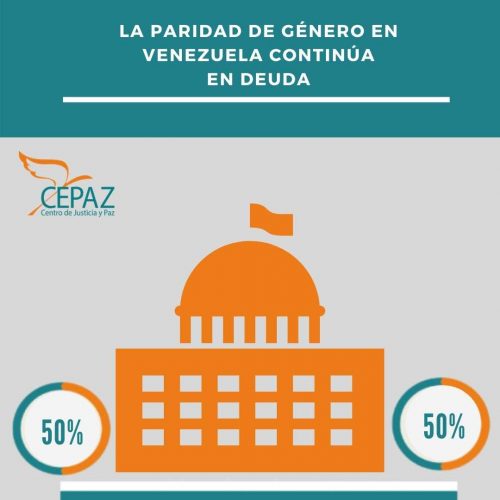
Venezuela has no standing legislative gender-parity law; instead the Consejo Nacional Electoral (CNE) has periodically issued special parity regulations shortly before each election cycle.
To require 50% women on candidate lists (within a 40-60% tolerance band) and mandatory man-woman alternation, first applied ahead of the December 2020 parliamentary election.
The CNE published its parity project days before candidate registration opened for the 2020 election, and issued a revised regulation ahead of the 2021 regional and municipal elections; no specific parity rules were published at all for the 2025 elections.
Only 3 of 26 parties met the 2020 parity criteria and none respected alternation; women won just 93 of 277 Assembly seats (33.57%), ranking Venezuela 90th of 190 countries in UN Women's 2020 parliamentary-representation assessment. In 2021, parties nominated around 48% women but still fell short of alternation and list-position requirements. By 2025, observers reported no gender-parity rules published and no alternating candidacies presented.
Parity requirements issued as last-minute administrative regulations, without a binding electoral law or sanctions for non-compliance, tend to be treated as optional by parties and have not durably closed the representation gap.
National / regional programmes
Indicative funding routes for practices of this type — always check each programme's current calls and eligibility rules.
Do you run this practice? Claim it — verified implementers get a public contact pathway and can propose corrections.
Where this practice's information was retrieved from, and when.
Central African Republic
CAR's 2016 law set a 35% women-candidate quota. "Zebra list" alternation lifted local council representation to 45-53%, versus 12.5% of …
Greece
This project, funded by the European Commission, aims to boost women's representation in decision-making roles across European, national, and local …
Greece
The Decision 65/2019 by the Supreme Civil and Criminal Court of Greece establishes 40% gender quota for the candidates at …
Namibia
Since 2013, SWAPO's 50/50 rule alternates male and female candidates on all National Assembly lists. Women's seats rose from 21% …
Open full copilot Grounded in cited practices — always check the sources.