Liste Zébrée: Gender-Alternation Candidate Lists for Local Elections
Central African Republic
CAR's 2016 law set a 35% women-candidate quota. "Zebra list" alternation lifted local council representation to 45-53%, versus 12.5% of …
Venezuela · Caracas · See the Venezuela profile
Venezuela's CNE has issued last-minute gender-parity rules since 2020, but compliance is weak: just 3 of 26 parties met the 2020 rules, women won only 33.57% of Assembly seats, and by 2025 no parity rules were even published.
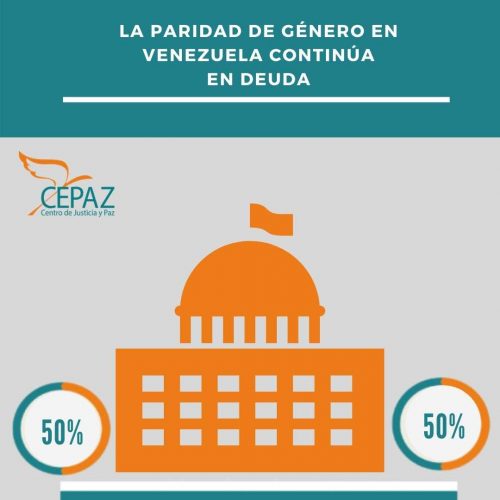
Venezuela has no standing legislative gender-parity law; instead, the Consejo Nacional Electoral (CNE) has periodically issued special regulations before each election cycle. Ahead of the December 2020 parliamentary election, the CNE published a parity project requiring 50% women on candidate lists (with a 40-60% tolerance band) and mandatory man-woman alternation - published only days before candidate registration opened, which civil-society groups noted came close to violating the constitutional freeze on electoral-rule changes within six months of a vote.
Compliance was weak: of 26 participating political parties, only three (El Cambio, Pro Ciudadanos and UPP89) met the parity criteria, and none respected the alternation requirement. In the resulting National Assembly, only 93 of 277 deputies elected (33.57%) were women, and Venezuela ranked 90th of 190 countries assessed by UN Women for parliamentary representation in 2020.
In the 2021 regional and municipal elections, the CNE issued a revised regulation; parties nominated more women overall (around 48%) but still fell short of alternation and list-position requirements. For the 2025 regional and parliamentary elections, observers (Transparencia Venezuela, Runrun.es) reported that no specific gender-parity rules were published at all, and no political organisation presented alternating male-female candidacies.
The case is presented as a cautionary one: Venezuela shows that parity requirements issued as last-minute administrative regulations, without a binding electoral law or sanctions for non-compliance, tend to be treated as optional by parties and have not durably closed the representation gap.
Read the full analysis: https://cepaz.org/la-paridad-de-genero-en-venezuela-es-una-deuda-historica/
Implementation detail (cost, timeline, staffing, conditions for success) is not yet available for this practice.
Where this practice's information was retrieved from, and when.
Central African Republic
CAR's 2016 law set a 35% women-candidate quota. "Zebra list" alternation lifted local council representation to 45-53%, versus 12.5% of …
Greece
This project, funded by the European Commission, aims to boost women's representation in decision-making roles across European, national, and local …
Greece
The Decision 65/2019 by the Supreme Civil and Criminal Court of Greece establishes 40% gender quota for the candidates at …
Namibia
Since 2013, SWAPO's 50/50 rule alternates male and female candidates on all National Assembly lists. Women's seats rose from 21% …
Open full copilot Grounded in cited practices — always check the sources.