Digital Zambia Acceleration Project — A $100M World Bank Push for Inclusive Digital ID and Connectivity
Zambia
A $100M World Bank IDA grant approved 23 Sept 2025 funds Zambia's DZAP: affordable broadband, an interoperable digital ID and …
Maldives · Malé · See the Maldives profile · See the Malé profile
Evidence: Observational / pre–post Top 82% 52/100 · Ask Evidence Copilot about this practice
A $10M World Bank-backed programme is building the Maldives' first national digital ID (eFaas) and expanding broadband competition to remote atolls, aiming to cut costly inter-island travel for health, banking and social-security access.
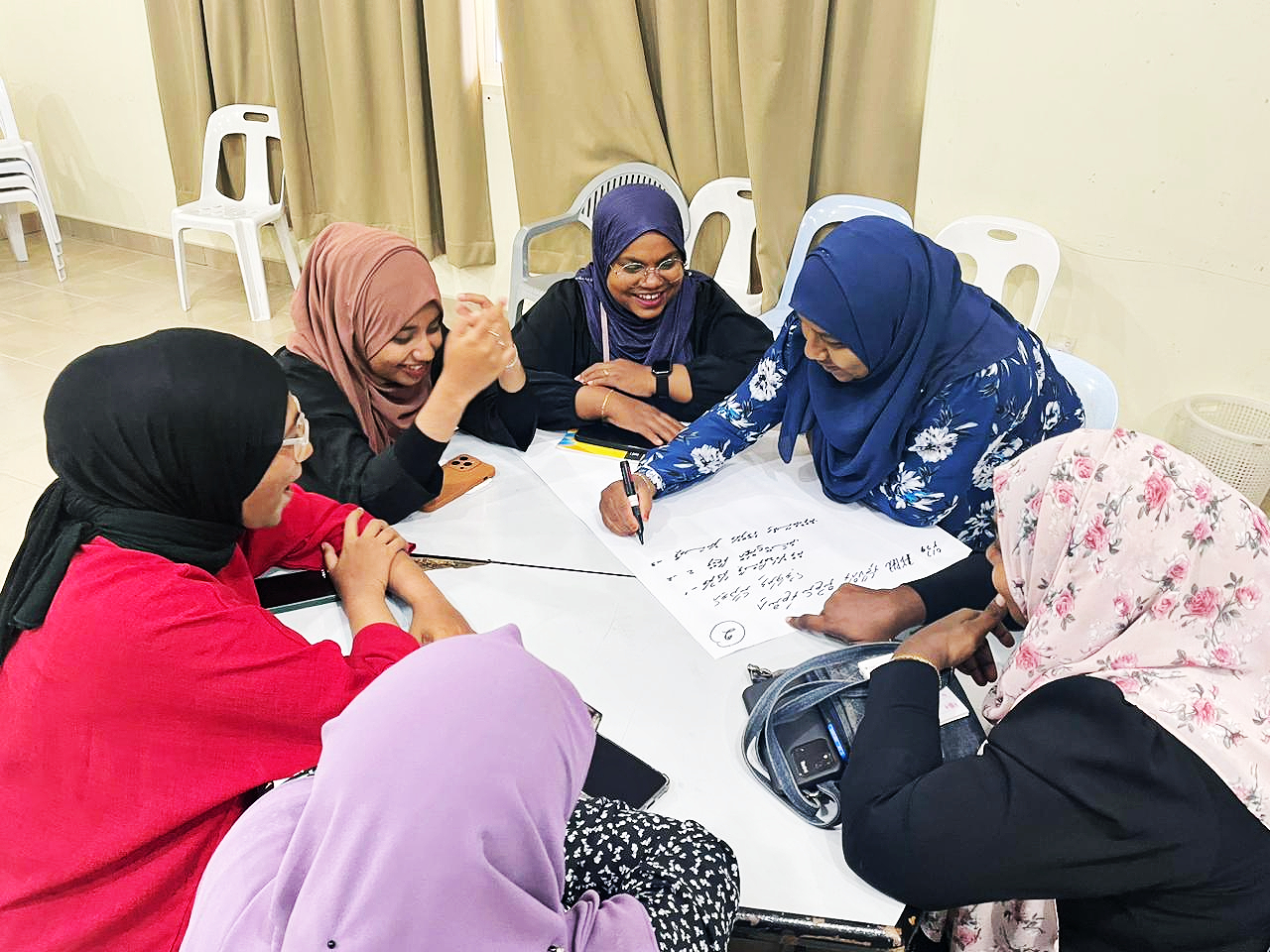
The Digital Maldives for Adaptation, Decentralisation and Diversification Project, approved by the World Bank's International Development Association in June 2022 with a $10 million grant, supports the Ministry of Environment, Climate Change and Technology, the Communications Authority of Maldives, and the National Centre for Information Technology across the archipelago's roughly 1,200 islands.
Expand broadband market competition, strengthen digital identity, and build climate-data platforms to support climate-resilient public services.
The National Centre for Information Technology launched the eFaas national digital ID in 2022, followed by a biometric selfie-verified mobile app in 2023 letting citizens authenticate for government, banking and telecom services online; draft digital identity and digital transformation legislation ('Maldives 2.0') was released for public feedback in June 2025.
According to UNDP's 2025 State of Digital in the Maldives assessment, the country has reached near-nationwide 4G coverage, 83.9% internet penetration, and over 85% of the population with access to high-speed fibre; outer islands such as Laamu and Haa Alif atolls now have broadband and 4G quality close to that of the capital, Male.
A fuller integrated digital identity system enabling remote access to healthcare, social security and banking without inter-island travel is targeted for 2027. The IFC and Internews both flag that affordability and service quality still lag in the outer atolls, and that the roughly 16% of Maldivians who remained offline in 2024 are disproportionately older residents and those in the most remote islands. The programme's core digital-ID rollout is also still mid-implementation, with no independent outcome evaluation published as of mid-2026.
National / regional programmes
Indicative funding routes for practices of this type — always check each programme's current calls and eligibility rules.
Do you run this practice? Claim it — verified implementers get a public contact pathway and can propose corrections.
Where this practice's information was retrieved from, and when.
Zambia
A $100M World Bank IDA grant approved 23 Sept 2025 funds Zambia's DZAP: affordable broadband, an interoperable digital ID and …
Suriname
Suriname's e-ID replaced paper ID cards with a biometric digital ID, backed by a legal deadline that forced adoption. By …
Bhutan
Bhutan's GovTech Agency built a blockchain-based, self-sovereign digital ID reaching over 230,000 users and 234,568 foundational credentials by March 2025 …
Samoa
A US$20.05 million World Bank grant is funding climate-resilient fibre expansion across Upolu and Savai'i, stronger government digital services and …
Open full copilot Grounded in cited practices — always check the sources.