SATIKAS — Estonia's Deep-Learning Satellite System Monitors 100% of Grasslands for CAP Mowing Compliance
Estonia
Estonia's paying agency ARIB uses a deep-learning system built with Tartu Observatory and KappaZeta to check mowing compliance on all …
United Kingdom · Bristol · See the United Kingdom profile · See the Bristol profile
Evidence: Descriptive / self-reported Top 74% 47/100 · Ask Evidence Copilot about this practice
The Environment Agency is embedding machine learning into its compliance analytics — flagging anomalies in waste returns and prioritising inspections — after its own 2025 survey found only 27% of waste crimes are ever reported to the regulator.
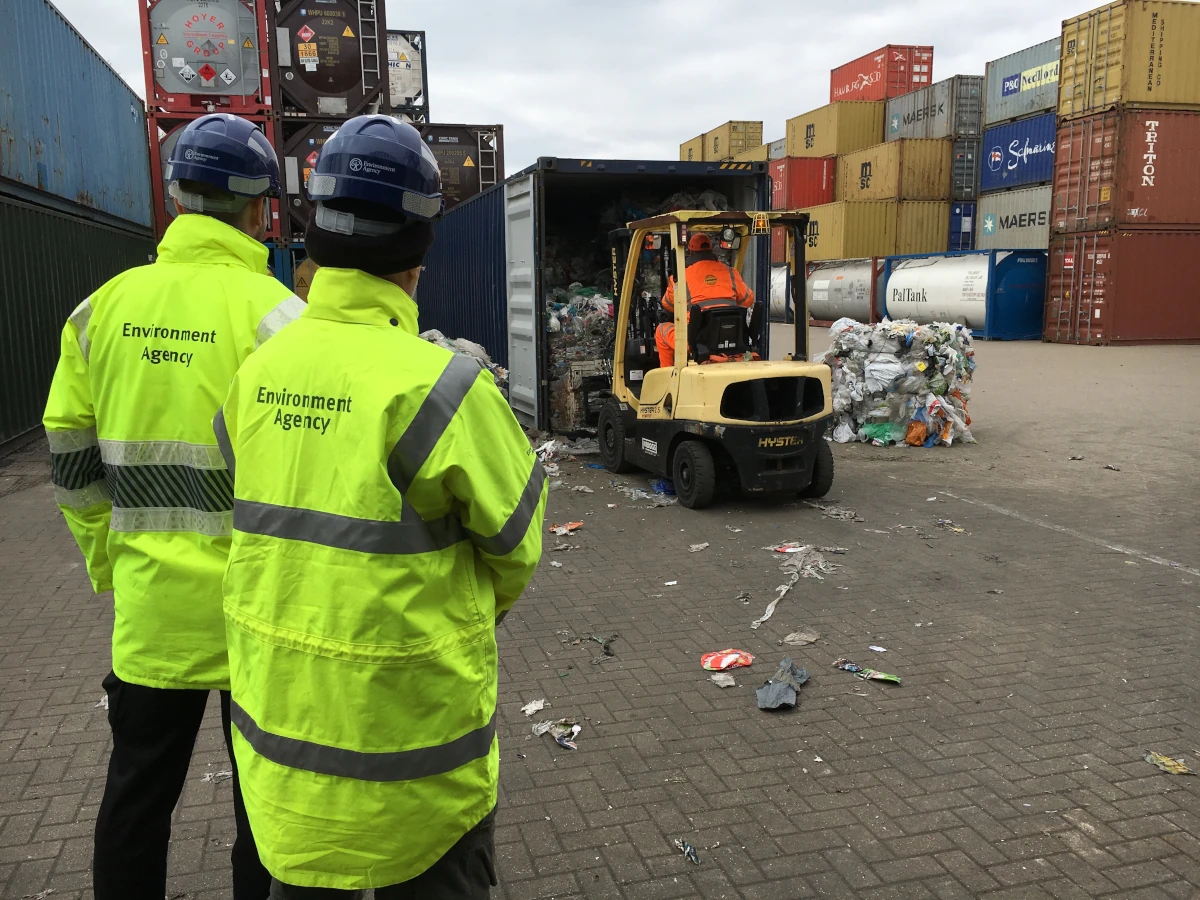
The Environment Agency's own 2025 National Waste Crime Survey found only 27% of waste crimes are reported to the regulator; in 2024, 150 of the 295 waste-sector permits in the lowest three compliance bands were repeat poor performers, and over 90% of the agency's enforcement notices already go to the waste sector.
In an August 2026 update, Chief Regulator Jo Nettleton set out plans to embed AI and machine learning into the agency's Regulatory Compliance Service, shifting from routine time-based inspections to a risk-driven model: tools will automatically analyse waste returns for anomalies, build compliance profiles to target inspections, optimise assessment scheduling, and cross-reference economic/insolvency data to flag firms at risk of illegal dumping before they fail, combined in a new Operational Waste Intelligence and Analysis Unit with satellite, drone and financial-crime data. Mandatory digital waste tracking for waste-receiving sites begins rolling out in October 2026.
This is a launch-stage programme: the August 2026 announcement describes the AI system's design and the compliance data motivating it, but reports no post-deployment results yet.
National / regional programmes
Indicative funding routes for practices of this type — always check each programme's current calls and eligibility rules.
Do you run this practice? Claim it — verified implementers get a public contact pathway and can propose corrections.
Where this practice's information was retrieved from, and when.
Estonia
Estonia's paying agency ARIB uses a deep-learning system built with Tartu Observatory and KappaZeta to check mowing compliance on all …
Denmark
Denmark's Agricultural Agency uses DHI's VeriCAP platform to satellite-monitor roughly 600,000 farm fields nationwide, verifying over €800 million a year …
United States of America
CARB flew AI-assisted imaging spectrometers over 22,000 sq. miles of California, examining 272,000+ facilities and finding under 0.2% of infrastructure …
Ireland
Since 2011, Ireland's Revenue Commissioners have used AI risk scoring (REAP) to target tax-compliance interventions; 290,000 data-analytics-driven interventions in 2023 …
Open full copilot Grounded in cited practices — always check the sources.