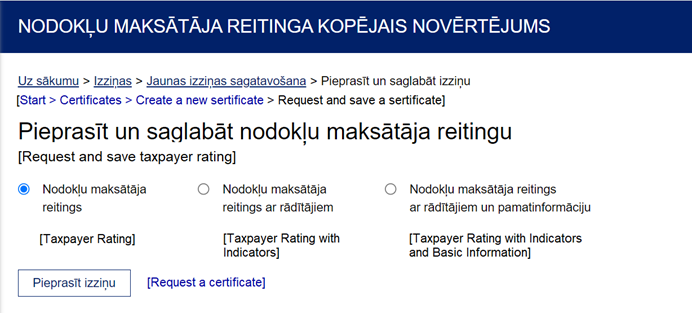
Latvia's SRS uses ESCORT ML to score every registered company for fraud risk across tax and labour domains. Fraud detection time cut from ~1 month to minutes; analytical reports from 4 weeks to 1 day; public rating system live since Feb 2024.
~1 month
Fraud-detection lead time, pre-upgrade
minutes
Fraud-detection lead time, post-upgrade (since 2021)
4 weeks
Analytical report production time, pre-upgrade
1 day
Analytical report production time, post-upgrade (since 2021)
ESCORT is a machine-learning fraud-risk-scoring system operated by Latvia's State Revenue Service (SRS/VID), assigning a risk score to every registered legal entity by combining SRS tax data with State Labour Inspectorate and other government data sources. Operational since 2019, it underwent a major technical upgrade in 2021 (consolidation of taxpayer accounts and migration to SAP HANA).
Objectives
To detect VAT fraud, income-tax under-reporting, undeclared employment and irregular migrant labour more quickly, direct enforcement resources more efficiently, and, since February 2024, give the public visibility of company tax-compliance ratings via the Taxpayer Rating System.
Activities
A centralised data warehouse integrating tax, labour and other government data feeds a machine-learning risk-scoring model covering the entire registered taxpayer base; a public Taxpayer Rating System publishes company-level ratings on the SRS website.
Results
Following the 2021 upgrade, fraud-detection lead times fell from approximately one month to minutes, and production of analytical risk reports fell from four weeks to one day, as reported by implementation partner Emergn. The SRS processes approximately €10 billion in annual tax payments. No independent algorithmic audit or revenue-recovery/audit-yield statistics have been published.
Implementation
Implementation detail (cost, timeline, staffing, conditions for success) is not yet available for this practice.
Commonly funded by
National / regional programmes
Indicative funding routes for practices of this type — always check each programme's current calls and eligibility rules.
Do you run this practice?
Claim it —
verified implementers get a public contact pathway and can propose corrections.
Data sources
Where this practice's information was retrieved from, and when.
Since 2011, Ireland's Revenue Commissioners have used AI risk scoring (REAP) to target tax-compliance interventions; 290,000 data-analytics-driven interventions in 2023 …
Italy's Agenzia delle Entrate deploys VeRa, an AI algorithm cross-referencing declarations with bank data, property records and electronic payments. In …