RISEMP Silvopastoral Payments for Ecosystem Services, Matiguás–Río Blanco
Nicaragua
Nicaragua's RISEMP paid 138 cattle ranchers across 4,560 ha in Matiguás–Río Blanco (2003–2008) for silvopastoral land-use change, scored on a …
Colombia · Bogotá · See the Colombia profile · See the Bogotá profile
Top 77% 33/100 · Ask Evidence Copilot about this practice
A GEF/World Bank-financed program paid Colombian cattle ranchers directly to convert degraded pasture into tree-and-shrub silvopastoral systems across five zones — one of the few PES schemes targeted specifically at silvopasture rather than general reforestation.
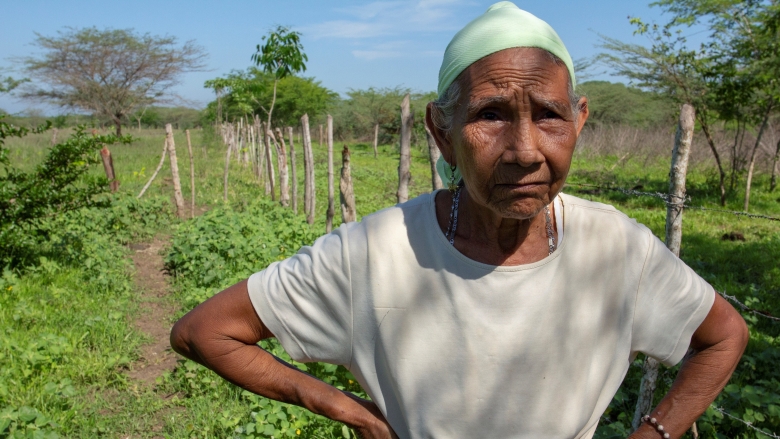
Ganadería Colombiana Sostenible ("Mainstreaming Biodiversity in Sustainable Cattle Ranching") paired FEDEGAN, Colombia's national cattle ranchers' federation, with the research NGO CIPAV, Fondo Acción and The Nature Conservancy, financed by the Global Environment Facility and the UK Government and administered through the World Bank. Building on the smaller 2003–2007 RISEMP pilot in Nicaragua, it paid ranchers across five Colombian zones (Boyacá, Cesar, Córdoba, Santander and Sucre) directly for adopting silvopastoral systems — trees, shrubs and improved pastures integrated with grazing, living fences, and riparian corridors — based on an environmental-service index reflecting biodiversity and carbon co-benefits, alongside technical assistance and credit access.
32,000 hectares of degraded pasture were converted to silvopastoral systems across 4,100 participating family farms, against an original project design target of 65,000 hectares — a gap between ambition and reported outturn worth stating plainly. More than 2.6 million trees of 80 species were planted, income rose by up to $523 per hectare per year, and milk productivity increased by an average of 36.2% on participating farms.
CIPAV also reports over 1.2 million tons of carbon sequestered as a co-benefit, though this figure is self-reported by an implementing partner rather than third-party verified; Yale University's ELTI restoration database independently corroborates the core hectare and beneficiary figures. As a time-bound GEF/World Bank grant project that closed around 2018, the program's durability after payments ended is not established by the available sources — a genuine open question for PES schemes reliant on donor financing rather than standing statutory funding.
Read the full analysis: https://cipav.org.co/trees-and-cows-offer-path-to-recovery-in-colombia/
Implementation detail (cost, timeline, staffing, conditions for success) is not yet available for this practice.
Do you run this practice? Claim it — verified implementers get a public contact pathway and can propose corrections.
Where this practice's information was retrieved from, and when.
Nicaragua
Nicaragua's RISEMP paid 138 cattle ranchers across 4,560 ha in Matiguás–Río Blanco (2003–2008) for silvopastoral land-use change, scored on a …
Zimbabwe
On its 4,600 ha ranch, Zimbabwe's Africa Centre for Holistic Management measured 31% less bare ground and 56% more litter …
Côte d'Ivoire
Cote d'Ivoire's 2024 Cocoa & Forests Initiative report shows a record 84,000 cocoa producers directly paid for environmental services, agroforestry …
Panama
A Smithsonian-partnered study of COCABO's organic, fair-trade shade-cacao farms in Bocas del Toro, Panama, recorded 234 landbird species across farms …
Open full copilot Grounded in cited practices — always check the sources.