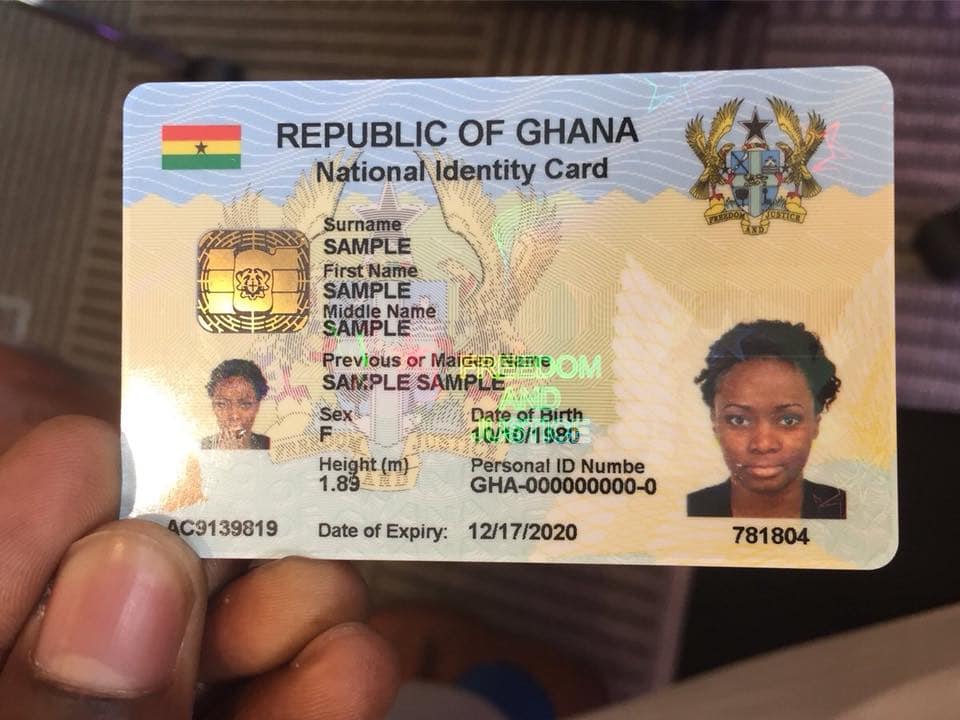
Ghana's National Identification Authority merged the Ghana Card register with SSNIT's separate pensioner card, cutting duplicate enrolment for 1.9 million people, saving an estimated $6.6 million, then reused that identity for tax, health insurance and banking.
1.9 million
SSNIT members merged into Ghana Card register (by August 2022)
60 million GHS
Reported savings from ending duplicate pensioner card (by August 2022)
6.6 million USD
Reported savings from ending duplicate pensioner card (USD) (by August 2022)
7.10 USD
Savings per card
700,000
Additional blank cards needed to clear printing backlog (2025)
Details
Maturity
Established
Promoter
National Identification Authority (NIA)
Period
2017-ongoing
Keywords
digital identity, biometrics, social security, tax administration
Context
Ghana's National Identification Authority (NIA) issues the Ghana Card, a single biometric identity built on fingerprints, a facial photograph and a digital signature, designed so an individual's biometrics are captured and matched only once against the national register before a card is issued.
Activities
In 2018 the government decided to stop issuing the Social Security and National Insurance Trust's (SSNIT) separate biometric pensioner card, and from June 2021 SSNIT began transferring its members' records into the NIA database instead of re-enrolling them; by August 2022 the data of 1.9 million Ghanaians had been merged this way, and the same de-duplicated identity is now used by the Ghana Revenue Authority for taxpayer identification, the National Health Insurance Authority for coverage, the Passport Office, banks opening accounts, and mobile-money providers registering SIM cards.
Results
NIA reported savings of about GHS 60 million (US$6.6 million), roughly $7.10 per card, from no longer producing a second biometric card for people already enrolled in the Ghana Card register.
Conclusions
The rollout has not been friction-free: 2025 reporting described a backlog requiring 700,000 additional blank cards to clear a 2023 printing shortfall, and a separate 2025 report found that biometric data collected during Ghana's 2022 SIM registration drive was never actually cross-checked against the national identity register, meaning the once-only guarantee was not fully enforced for that cohort.
Implementation
Indicative cost
Medium (€50k–€500k) — No specific implementation budget was found; NIA reported operational savings of about GHS 60 million (US$6.6 million) from retiring the duplicate SSNIT pensioner card by August 2022.
Time to results
Long (> 3 years) — Rollout has run since 2017, with the SSNIT merger phased in from June 2021 and print-capacity and verification issues still being reported in 2025, a long, multi-year timeline band.
Staffing & skills
National Identification Authority (NIA), Social Security and National Insurance Trust (SSNIT), Ghana Revenue Authority, National Health Insurance Authority, Passport Office and participating banks and mobile-money providers as relying agencies
Conditions for success
a single national biometric register that other agencies, including tax, health insurance, passports, banking and mobile money, can reuse instead of re-enrolling citizens.
cross-agency agreements so SSNIT could transfer pensioner records into the NIA database rather than issuing a separate card.
sufficient card-printing capacity to avoid backlogs, given the 2023 shortfall that required 700,000 additional blank cards in 2025.
Common failure modes
a 2023 printing shortfall created a backlog requiring 700,000 additional blank cards, reported in 2025.
a separate 2025 report found that biometric data from the 2022 SIM registration drive was never cross-checked against the national register, so the once-only guarantee was not fully enforced for that cohort.
Commonly funded by
National / regional programmes
Indicative funding routes for practices of this type — always check each programme's current calls and eligibility rules.
Do you run this practice?
Claim it —
verified implementers get a public contact pathway and can propose corrections.
Data sources
Where this practice's information was retrieved from, and when.