Algeria's Barrage Vert (Green Dam) — State Afforestation Belt Across the High Plateaus
Algeria
Algeria's Barrage Vert (1971-) afforestation belt reports conflicting outcomes: FAO cites ~75% survival, an independent study found ~42%, and a …
China · Hohhot · See the China profile
Evidence: Quasi-experimental Top 58% 40/100 · Ask Evidence Copilot about this practice
Since 2011, China's Grassland Ecological Compensation Policy has paid herders 37.5-112.5 yuan/ha to reduce grazing, investing over 150 billion yuan across 13 provinces and lifting grassland NDVI cover, though peer-reviewed studies find payments are unevenly distributed.
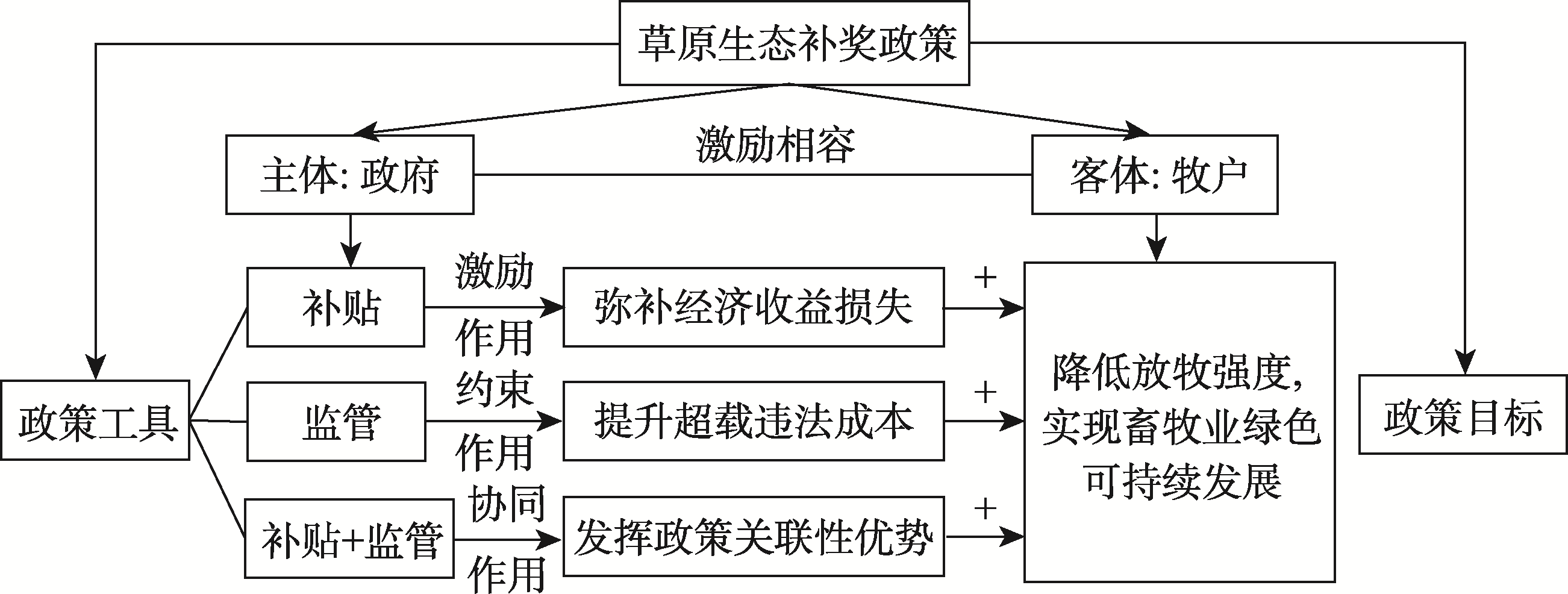
China's Grassland Ecological Compensation Policy (GECP), launched in 2011, is described in the peer-reviewed literature as the world's largest grassland payment-for-ecosystem-services programme by area, participants and funds transferred. Herder households in designated no-grazing and forage-livestock balance areas receive a fixed per-hectare payment in exchange for reducing or halting livestock grazing to curb grassland degradation and desertification. GECP-I (2011-2015) covered eight provinces including Inner Mongolia, Xinjiang, Tibet, Qinghai, Gansu, Ningxia, Sichuan and Yunnan; GECP-II (2016-2020) expanded coverage to 13 provinces.
To reduce or halt grazing pressure on degraded and desertifying grasslands while compensating herders for the resulting loss of livestock income, and to improve grassland vegetation cover at national scale.
National payment rates of 112.5 yuan/ha/year in no-grazing areas and 37.5 yuan/ha/year in forage-livestock balance areas (with higher locally adjusted rates in some banners, e.g. Xin Barag Left Banner, Inner Mongolia); central government investment of 77.4 billion yuan under GECP-I and a further 93.8 billion yuan budgeted under GECP-II, for cumulative national investment reported at over 150 billion yuan (~USD 21 billion) benefiting close to 18 million herders.
A Nature Communications study combining remote sensing and household survey data across 630 programme counties found county-level NDVI rose 3.2% and overall NDVI rose 1.2% comparing 2011-2015 to the 2006-2010 baseline, alongside a Qinghai/Gansu sample where GECP payments accounted for nearly 90% of a roughly 3,660 yuan per-capita income increase recorded by 2017. A quasi-experimental PSM study of 885 grassland transfer-in herders across six regions of Inner Mongolia found the subsidy alone reduced overgrazing pressure by 2.53 sheep units/ha, a 77% cut versus unsubsidised, weakly supervised herders. Independent research also documents distributional and compliance limitations: a Gini index of 0.46 in fund allocation (top 20% of households received 49% of compensation versus 3% for the bottom 20%), and only 35% grazing-reduction compliance in a 203-herder survey in Xin Barag Left Banner.
GECP has well-documented, peer-reviewed vegetation-cover and income effects at national scale and a rigorous quasi-experimental study confirming the subsidy's own effect on reducing overgrazing pressure. However, independent follow-up research tempers these findings with evidence of highly uneven fund distribution and partial, inconsistent compliance with grazing-reduction requirements.
National / regional programmes
Indicative funding routes for practices of this type — always check each programme's current calls and eligibility rules.
Do you run this practice? Claim it — verified implementers get a public contact pathway and can propose corrections.
Where this practice's information was retrieved from, and when.
Algeria
Algeria's Barrage Vert (1971-) afforestation belt reports conflicting outcomes: FAO cites ~75% survival, an independent study found ~42%, and a …
Brazil
World's first jurisdictional REDD+ system (Acre State Law 2.308/2010), covering 15.4 M ha of Amazon forest; Standard Chartered-CDSA partnership to …
Estonia
Estonia's EAFRD-funded Rural Development Plan pays private landowners €60–134/ha for Natura 2000 management restrictions. By 2019: €4.3 M/year for 64,000 …
Rwanda
Rwanda's government restored a degraded 121.7-hectare urban wetland in Kigali into an eco-park (2016–2022, Rwf 4.5bn); an independent 2026 survey …
Open full copilot Grounded in cited practices — always check the sources.