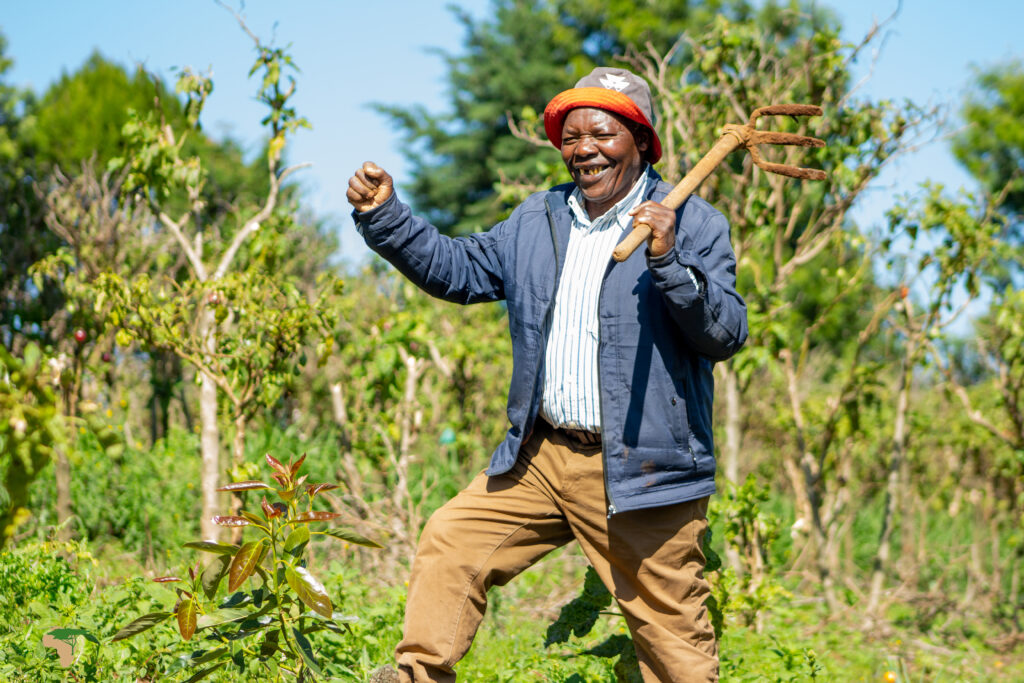
Founded in 1977 by Nobel Laureate Wangari Maathai, the Green Belt Movement mobilised rural Kenyan women to plant 51 million trees across Africa, restoring degraded land and generating supplementary income for 30,000+ women trained in nursery management and civic leadership.
51 million+
Trees planted (1977–2024 (47 years))
30,000+
Women trained in forestry, food processing, beekeeping and civic governance
510 million+
Current cumulative trees planted (self-reported by GBM, unverified)
The Green Belt Movement (GBM) was founded in 1977 by Professor Wangari Maathai under the National Council of Women of Kenya, starting with seven seedlings on World Environment Day. GBM recruited rural women to establish community tree nurseries, paying a small stipend per seedling that survived inspection.
Objectives
The approach explicitly linked ecological restoration with peace, democratic rights, and women's empowerment — a rationale the Nobel Peace Prize Committee recognised in 2004 when it awarded Maathai the Peace Prize for work symbolising peace through environmental responsibility, sustainable development, and democracy.
Activities
Beyond tree planting, GBM invested in civic education and leadership training, equipping women with skills in forestry, food processing, beekeeping, and democratic governance. Through the Pan African Green Belt Network, the model was formally replicated in Ethiopia, Uganda, Tanzania, and the Democratic Republic of Congo.
Results
Over 47 years the model mobilised hundreds of thousands of women to plant more than 51 million trees, and over 30,000 women were trained. The EcoTipping Points Project conducted an independent in-depth case study documenting soil stabilisation, water-table recovery, and biodiversity restoration in GBM project areas.
Conclusions
After Maathai's death in 2011, GBM underwent governance restructuring and continues to operate. Current official figures cite over 510 million trees across Africa through direct and network activities, a figure the source text itself flags as warranting independent verification even as it indicates continued significant scale.
Implementation
Implementation detail (cost, timeline, staffing, conditions for success) is not yet available for this practice.
Commonly funded by
Philanthropic / foundation funding
Indicative funding routes for practices of this type — always check each programme's current calls and eligibility rules.
Do you run this practice?
Claim it —
verified implementers get a public contact pathway and can propose corrections.
Data sources
Where this practice's information was retrieved from, and when.
The Women's Board Award, established in 2014 by Danish journalist Susanne Hoeck and the Norwegian organization Styreinformasjon, operates in Denmark, …