Djibouti International Free Trade Zone — From 21 to 367 Companies in Six Years
Djibouti
Djibouti's flagship free trade zone grew from 21 to over 367 operating companies in six years on zero-tax terms, per …
Gabon · Nkok (near Libreville) · See the Gabon profile
Evidence: Observational / pre–post Top 39% 71/100 · Ask Evidence Copilot about this practice
Gabon's first special economic zone at Nkok has grown to 144 companies from 16 countries since 2010, anchoring a shift from oil dependence toward value-added timber processing — though a 2023 probe into its wood-traceability system exposed real governance gaps.
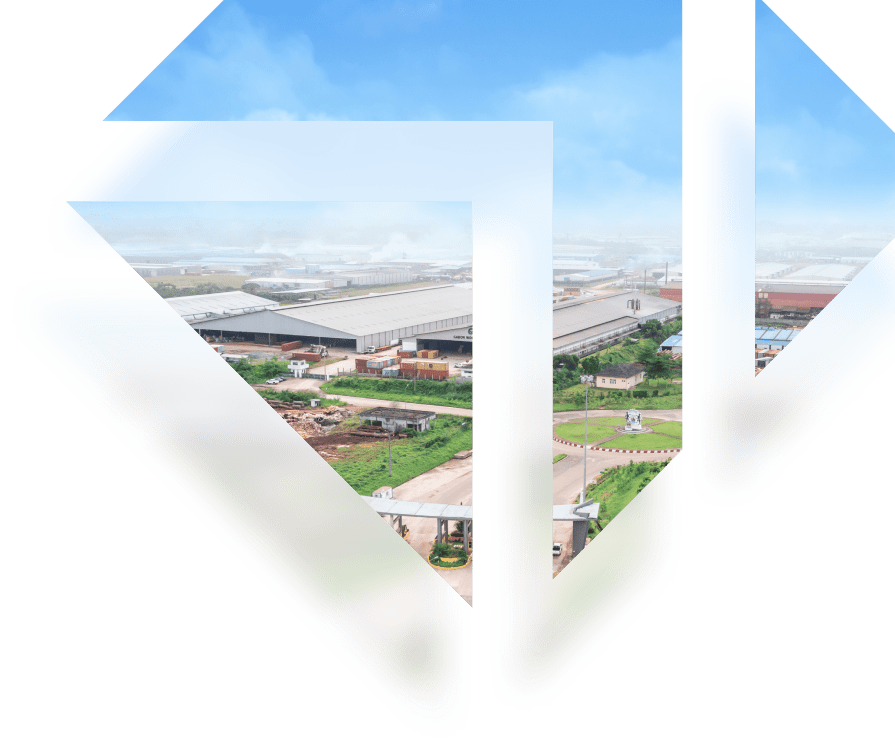
Gabon's economy has long depended on oil exports. In 2010 the government partnered with Olam International (later ARISE Integrated Industrial Platforms) to launch the Nkok Special Economic Zone, 27 km from Libreville, as the country's first SEZ. A domestic log-export ban forced timber companies to process wood locally rather than ship raw logs abroad, and Nkok was built as the industrial site for that processing.
The zone was developed as a public-private partnership between the Gabonese government and ARISE Integrated Industrial Platforms, providing industrial land and infrastructure for firms across 22 sectors, with a dedicated cluster for wood processing.
By 2023 the zone hosted 144 companies from 16 countries across 22 industrial sectors on 1,126 hectares, including a cluster of 84 firms dedicated to wood processing. Reported direct employment ranges from about 6,000 (2023 estimate) to as much as 20,000 depending on the source and whether indirect jobs are included. The zone was ranked Best Industrial Zone in the World for the wood sector in 2020.
A 2023 Mongabay investigation found the zone's TraCer timber-traceability system suspended for two weeks over 'administrative irregularities,' set against a history of corruption scandals in Gabon's timber sector — including a 2019 EIA report on bribery for concession access and the 2022 imprisonment of the country's director-general of forests. Industrial diversification success at Nkok sits alongside real, documented governance risk that any replication elsewhere would need to address directly.
National / regional programmes
Indicative funding routes for practices of this type — always check each programme's current calls and eligibility rules.
Do you run this practice? Claim it — verified implementers get a public contact pathway and can propose corrections.
Where this practice's information was retrieved from, and when.
Djibouti
Djibouti's flagship free trade zone grew from 21 to over 367 operating companies in six years on zero-tax terms, per …
Cuba
Cuba's 2013 flagship special economic zone at Mariel drew 62 approved businesses and over $3bn in committed investment by 2022, …
South Africa
A property-owner-funded Special Rates Area has run Cape Town's CBD safety and cleaning services since 2000, cutting festive-season crime 34% …
Netherlands
The Netherlands' 2015 BIZ law lets local businesses vote to self-tax and jointly fund street cleaning, safety and marketing. It …
Open full copilot Grounded in cited practices — always check the sources.