Sélune Dam Removals — Europe's Largest Dam Demolition, Followed by a 15-Year INRAE Monitoring Programme (Normandy, France)
France
France removed the 36 m Vezins dam (2019-2020) and the 16 m La Roche-Qui-Boit dam (2022-2023) on the Sélune. INRAE …
Finland · Rautjärvi · See the Finland profile
Top 72% 33/100 · Ask Evidence Copilot about this practice
A recreation-area foundation bought and removed three century-old hydropower dams on the Hiitolanjoki (2021-2023). Salmon nests appeared within weeks, and ELY Centre electrofishing found record juvenile densities of 200-400 per 100 m² at Kangaskoski by 2025.
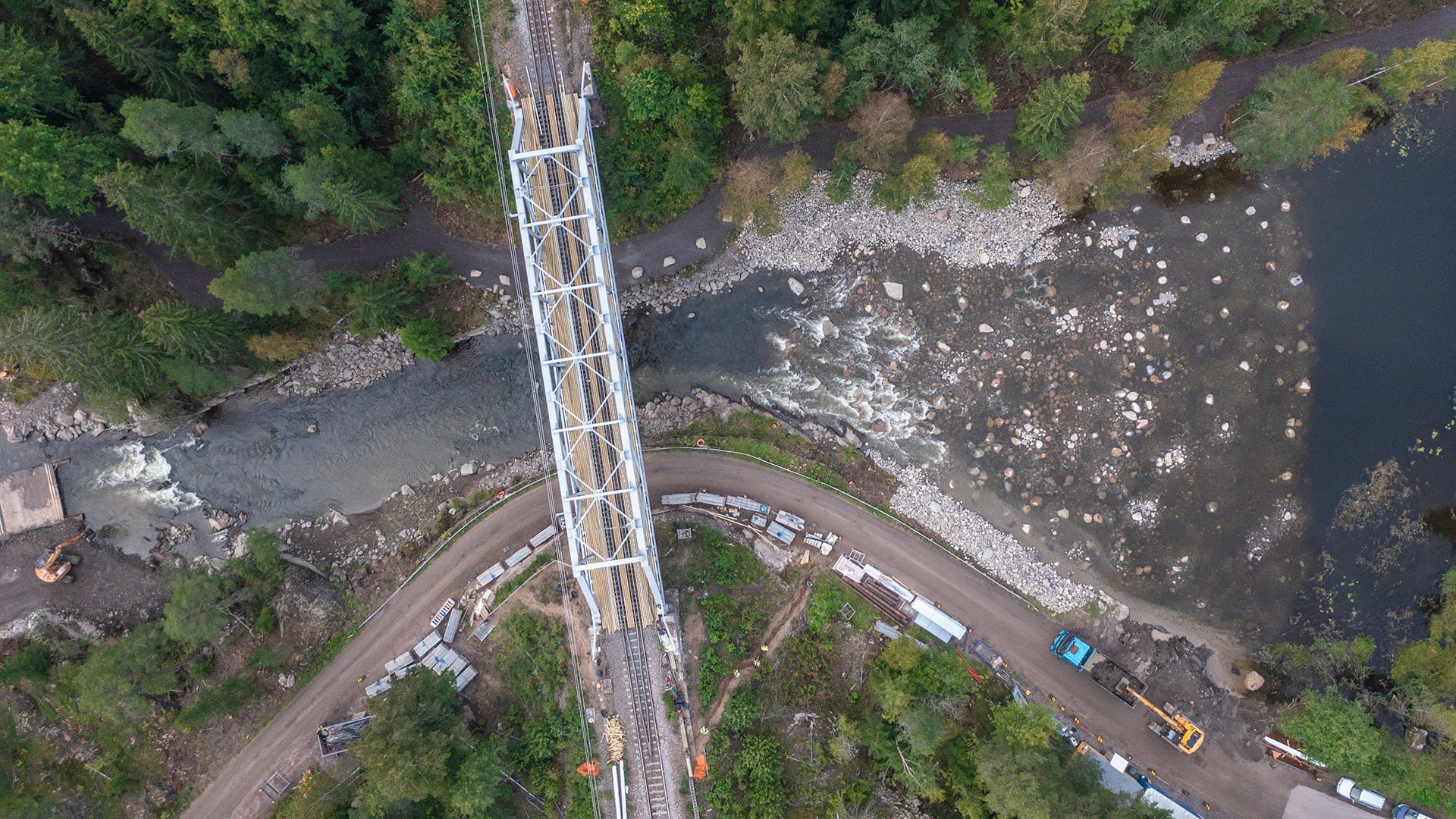
The Hiitolanjoki is a 53 km cross-border river, 8 km of it in Finland, that drains a catchment of about 1,470 km² into Lake Ladoga in Russia. It holds Finland's last naturally reproducing stock of landlocked Ladoga salmon. For more than a century, three dams built for the paper industry blocked its Kangaskoski, Lahnasenkoski and Ritakoski rapids.
The South Karelia Recreation Area Foundation (Etelä-Karjalan virkistysaluesäätiö) bought the dams and removed them one by one: Kangaskoski in September 2021, Lahnasenkoski in July 2022 and Ritakoski between August and December 2023. Ritakoski was 4 m high and powered a 0.4 MW plant that produced about 2,200 MWh a year. Its demolition and the restoration of the rapids cost about €750,000, not counting the purchase of the plant. Funding came from many sources: the Finnish Ministry of Agriculture and Forestry, Rautjärvi municipality, WWF, the Open Rivers Programme, foundations, companies including UPM and Metsä Group, and private donors.
Results so far: salmon nests appeared at Kangaskoski within a few weeks of the 2021 removal, five of them in the first autumn. Electrofishing in September 2023 found more than 200 young salmonids per 100 m², mostly salmon. In 2025, the ELY Centre's yearly surveys recorded record average juvenile densities at Kangaskoski, with 200-400 per are (100 m²) at the best site, and nearly 200 per are at Ritakoski after none were found there in 2024. Before the removals, the reopened rapids were estimated to be able to produce 5,000-11,000 juveniles a year. That is a projection, not a measured result.
Caveats: the evidence comes from a small number of electrofishing test sites. Adult returns and total population size have not been published, and data from a fish counter installed in 2025 had not yet been analysed. The Juvankoski dam further upstream is still in place. The project shows how a land-buying foundation with many funders can carry out a removal, at a time when Finland removed 138 of the 542 river barriers taken out across Europe in 2024.
Read the full analysis: https://www.upm.com/articles/energy/23/upm-supports-the-dismantling-of-the-third-dam-on-hiitolanjoki--landlocked-salmon-of-ladoga-will-soon-rise-to-the-headwaters
Implementation detail (cost, timeline, staffing, conditions for success) is not yet available for this practice.
Do you run this practice? Claim it — verified implementers get a public contact pathway and can propose corrections.
Where this practice's information was retrieved from, and when.
France
France removed the 36 m Vezins dam (2019-2020) and the 16 m La Roche-Qui-Boit dam (2022-2023) on the Sélune. INRAE …
Japan
Kumamoto Prefecture removed the 25 m Arase hydropower dam (2012-2018), Japan's first full concrete dam removal. Studies found channel changes …
Estonia
Estonia bought (€1.3m) and demolished the 4.5 m Sindi dam, the first barrier on the Pärnu River, in 2018 under …
Lithuania
A 1990s dam on the Salantas was removed for €310,520 of EU structural funds. River-lamprey nests above the site rose …
Open full copilot Grounded in cited practices — always check the sources.