South Korea's National Election Commission — AI-Assisted Deepfake Detection for the 2024 General Election
South Korea
Ahead of its April 2024 general election, South Korea's NEC ran a task force under a new deepfake ban and …
India · New Delhi · See the India profile · See the New Delhi profile
Evidence: Descriptive / self-reported · Ask Evidence Copilot about this practice
A 2023 IT Rules amendment let a government Fact Check Unit order platforms to remove content it deemed 'fake, false or misleading.' Challenged by journalists and a comedian, it was struck down as unconstitutional by the Bombay High Court in Sept. 2024.
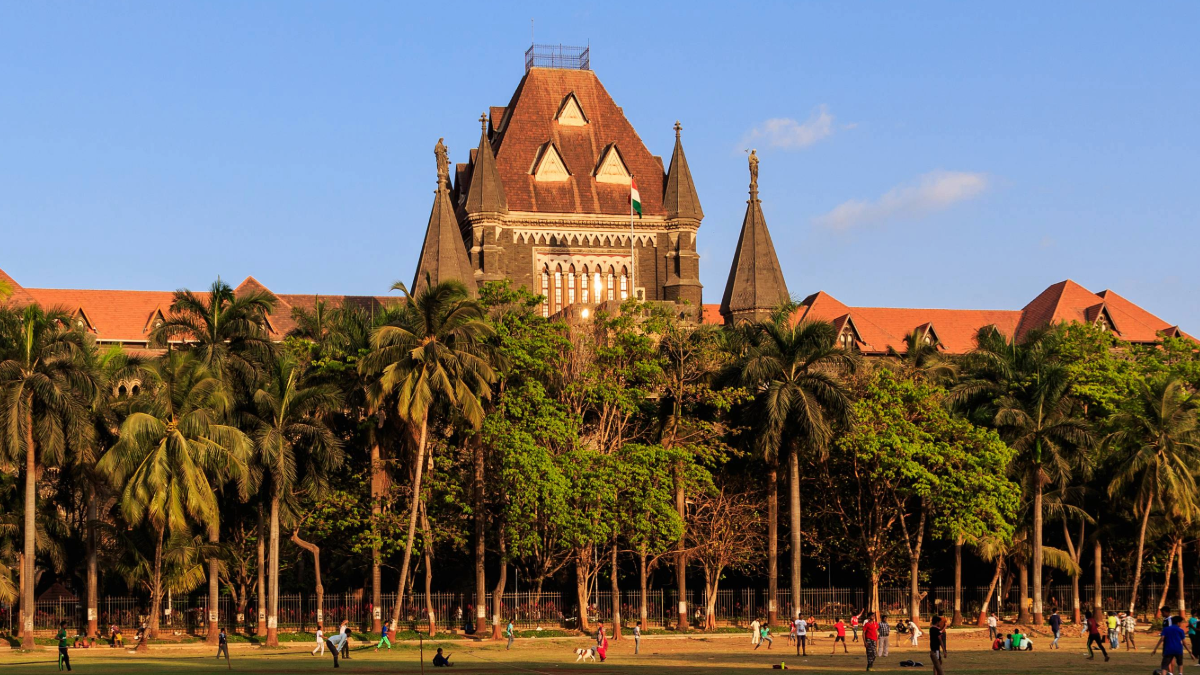
In 2023, India's Ministry of Electronics and Information Technology amended the Information Technology Rules to create a Fact Check Unit (FCU) under the Press Information Bureau, empowered to identify online content about the central government it judged 'fake, false or misleading' (Rule 3(1)(b)(v)). Intermediaries that failed to remove flagged content risked losing their safe-harbour legal protection, effectively giving a government body unilateral power to compel takedowns of criticism or reporting about itself.
The rule was framed as a tool to police misinformation about the government, including ahead of the 2024 general election.
Comedian Kunal Kamra, the Editors Guild of India and the Association of Indian Magazines challenged the rule in the Bombay High Court. A first division bench split in January 2024, one judge for and one against, sending the case to a third 'tie-breaker' judge. India's Supreme Court then stayed the FCU's operation before the case was resolved, preventing it from ever exercising its takedown powers during the 2024 election it was ostensibly built to police.
On 20 September 2024, Justice A. S. Chandurkar's tie-breaking judgment found the rule 'arbitrary and vague,' holding that terms like 'fake, false or misleading' were too broad to give intermediaries fair notice and that unilateral executive determination of truth violated natural justice. On 26 September 2024 the Bombay High Court formally struck down the amendment as unconstitutional by a 2:1 majority, citing its chilling effect on speech.
The case stands as a documented example of a content-oversight power that courts found lacked the transparency and due-process safeguards needed to operate legitimately.
Do you run this practice? Claim it — verified implementers get a public contact pathway and can propose corrections.
Where this practice's information was retrieved from, and when.
South Korea
Ahead of its April 2024 general election, South Korea's NEC ran a task force under a new deepfake ban and …
Indonesia
Since January 2018, Indonesia's Ministry of Communication has run "Ais," a 24/7 AI-assisted unit of about 100 staff that identified …
Brazil
Brazil's National Council of Justice runs Sinapses, a national catalogue where all AI models used or developed by the Brazilian …
United Kingdom
The UK's Algorithmic Transparency Recording Standard grew from a 2022 pilot into a mandatory register covering all central government departments, …
Open full copilot Grounded in cited practices — always check the sources.