PUB's Digital Twin and Smart Sensors — Singapore Cuts Water-Pipe Leaks to 5 per 100 km a Year
Singapore
Singapore's water agency PUB paired acoustic leak sensors with digital-twin and machine-learning analytics, scaling from a 2017 pilot on 70 …
Israel · Tel Aviv · See the Israel profile · See the Tel Aviv profile
Evidence: Descriptive / self-reported Top 32% 67/100 · Ask Evidence Copilot about this practice
Mekorot, Israel's national water company, runs the IXDen AI platform across roughly 3,000 sites and 700 pumping stations, analysing 300 million data points daily to flag leaks, tampering and equipment faults automatically. Live since 2021.
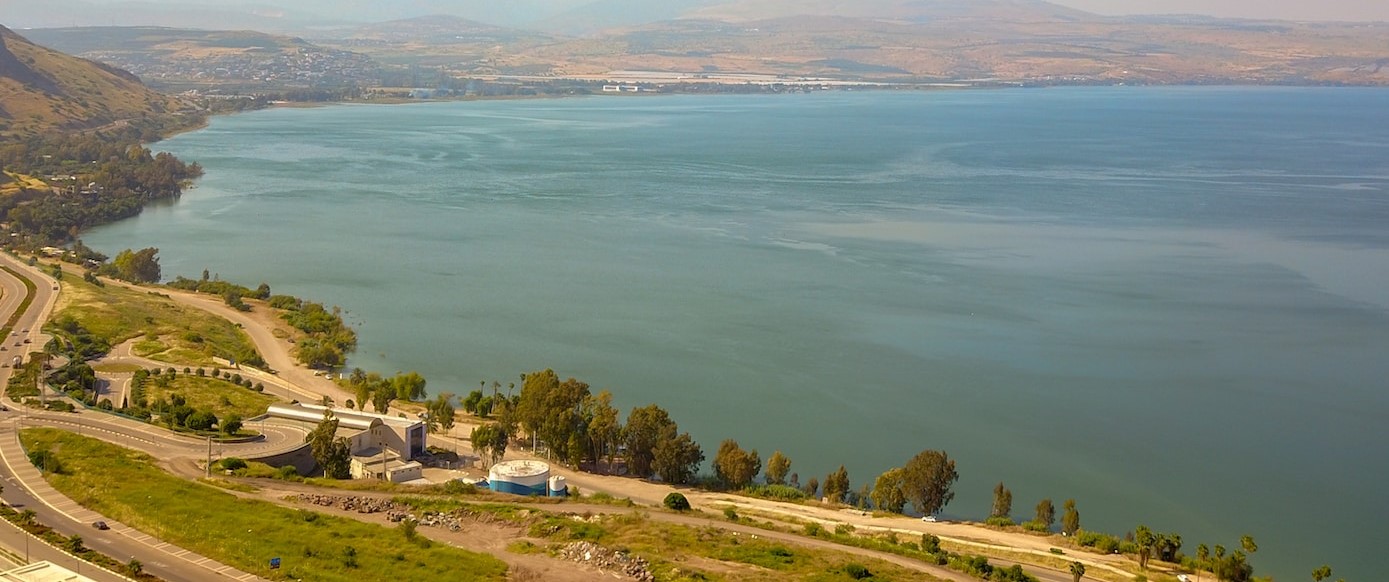
Mekorot, Israel's national water company, operates around 3,000 sites across 10 regions, including 700 pumping stations and 20 desalination facilities, and needed to distinguish genuine operational problems (leaks, tampering, cyber-intrusion, equipment faults) from normal variation across this network.
To centralise AI-based monitoring of the network in real time so that problems are flagged automatically while major response actions remain subject to human authorisation.
Since going live in 2021, the IXDen AI platform (founded 2019) has analysed roughly 300 million data points per day across Mekorot's network, automatically distinguishing normal variation from genuine issues; detection is fully automated, but shutting down sections of the system requires human sign-off.
In one documented example, the system gave about a week's advance warning that a sensor at a station in southern Be'er Sheva was likely to fail. Mekorot's CEO stated in May 2025 that the utility's overall network water loss is below 4%, versus an OECD average of 15% (and up to 30-40% in parts of the US), attributed to roughly $500 million per year in infrastructure and technology investment including stakes in about ten start-ups.
The national loss-rate figure is useful context for Mekorot's broader modernisation effort but reflects many combined investments over several years rather than an outcome attributable to IXDen alone; independent verification of the platform rests mainly on technology journalism rather than published technical performance data.
National / regional programmes
Indicative funding routes for practices of this type — always check each programme's current calls and eligibility rules.
Do you run this practice? Claim it — verified implementers get a public contact pathway and can propose corrections.
Where this practice's information was retrieved from, and when.
Singapore
Singapore's water agency PUB paired acoustic leak sensors with digital-twin and machine-learning analytics, scaling from a 2017 pilot on 70 …
Georgia
Georgia's Ministry of Finance embedded 42 AI models in its e-Treasury system to detect payment anomalies across 7M+ annual transactions. …
United States of America
OpenAI pledged $1 billion in subsidised access to its Daybreak cybersecurity tools and launched an MS-ISAC pilot pairing training with …
Czechia
Since 2020, Czech Republic's NÚKIB has run Flowmon's machine-learning network anomaly detection—combining ML, heuristics and behavioural analytics across ~40 algorithms—across …
Open full copilot Grounded in cited practices — always check the sources.