PIDC Business Plan Competition & MSME Matching Grants — Comoros
Comoros
A $25M World Bank-financed project ran a national business-plan competition and matching grants for young entrepreneurs and MSMEs in agriculture …
Bangladesh · Dhaka · See the Bangladesh profile · See the Dhaka profile
Evidence: Observational / pre–post Top 9% 86/100 · Ask Evidence Copilot about this practice
Bangladesh's largest market-systems programme, Katalyst, worked with private firms to reach 4.75 million SMEs and farmers by 2018, generating a documented USD 724 million in added income and passing two independent DCED Standard audits of its results-measurement system.
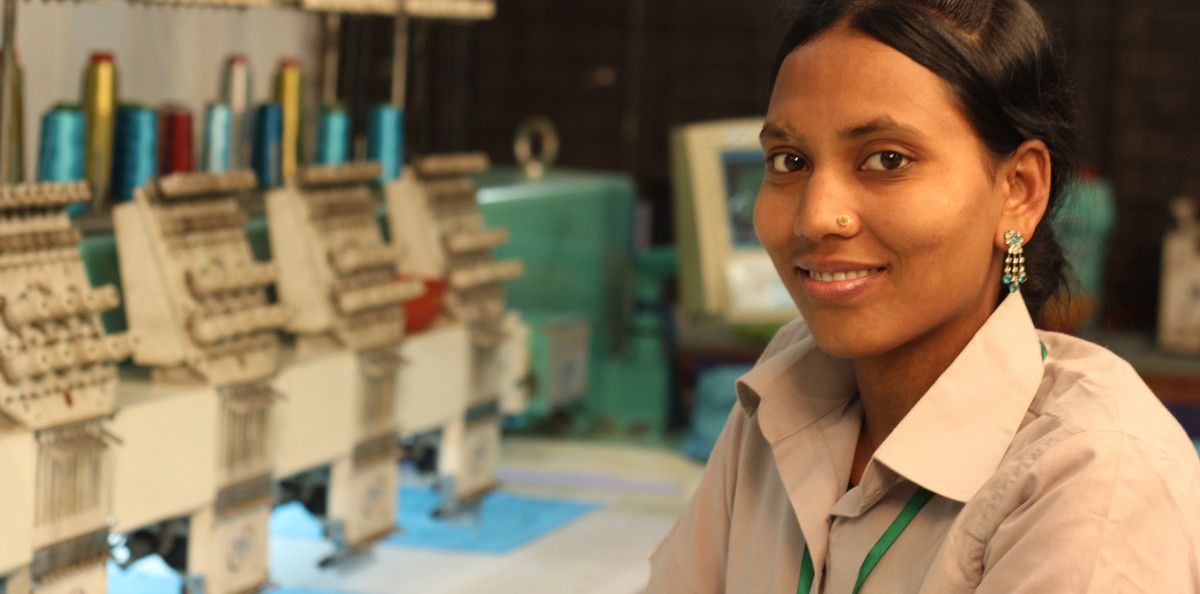
Katalyst is a market systems development programme implemented in Bangladesh by the Swiss foundation Swisscontact, running in three phases from 2000 to 2017. Rather than delivering aid or subsidies directly, it works with private lead firms, business associations and service providers to fix structural constraints in specific product markets such as seed, poultry, tailoring and agro-inputs.
The aim is for improved market practices to spread through normal commercial relationships after the programme withdraws, rather than depending on continued donor support. Interventions such as the seed mini-pack were designed to get smallholder farmers to test new seed varieties in small, affordable packets.
Between 2002 and 2018 the programme carried out 309 market interventions and was funded across its phases by a rotating group of donors including the UK, Switzerland and the Bangladesh government. Its monitoring and results measurement system was the first in the world to be independently audited against the DCED Standard for Results Measurement, in 2011, and was re-audited with improved results in 2013.
The programme reported reaching 4.75 million SMEs and farmers and generating USD 724 million in additional income between 2002 and 2018. Swisscontact states that 76% of beneficiaries lived below the upper poverty line (under USD 2.50/day) and 23% below the lower poverty line, and in 2014 the programme won the OECD DAC Prize for Taking Development Innovation to Scale.
Independent DCED reviewers described the monitoring system as comprehensive and robust but flagged, in earlier rounds, the need for stronger downstream attribution evidence — a caution worth keeping in mind when reading market systems income-gain figures generally, since a facilitator that never touches money directly is inherently hard to link causally to income gains.
Do you run this practice? Claim it — verified implementers get a public contact pathway and can propose corrections.
Where this practice's information was retrieved from, and when.
Comoros
A $25M World Bank-financed project ran a national business-plan competition and matching grants for young entrepreneurs and MSMEs in agriculture …
Saint Vincent and the Grenadines
Since 2018, the multi-donor Compete Caribbean facility has digitised St. Vincent and the Grenadines' business registry, funded technology audits for …
Tanzania
A randomised trial gave 113 Dar es Salaam garment micro/small firms classroom Kaizen training, one-on-one consulting, or both. By years …
Mexico
A Puebla state agency matched 150 small and medium firms with subsidised local consultants for a year; five years later, …
Open full copilot Grounded in cited practices — always check the sources.