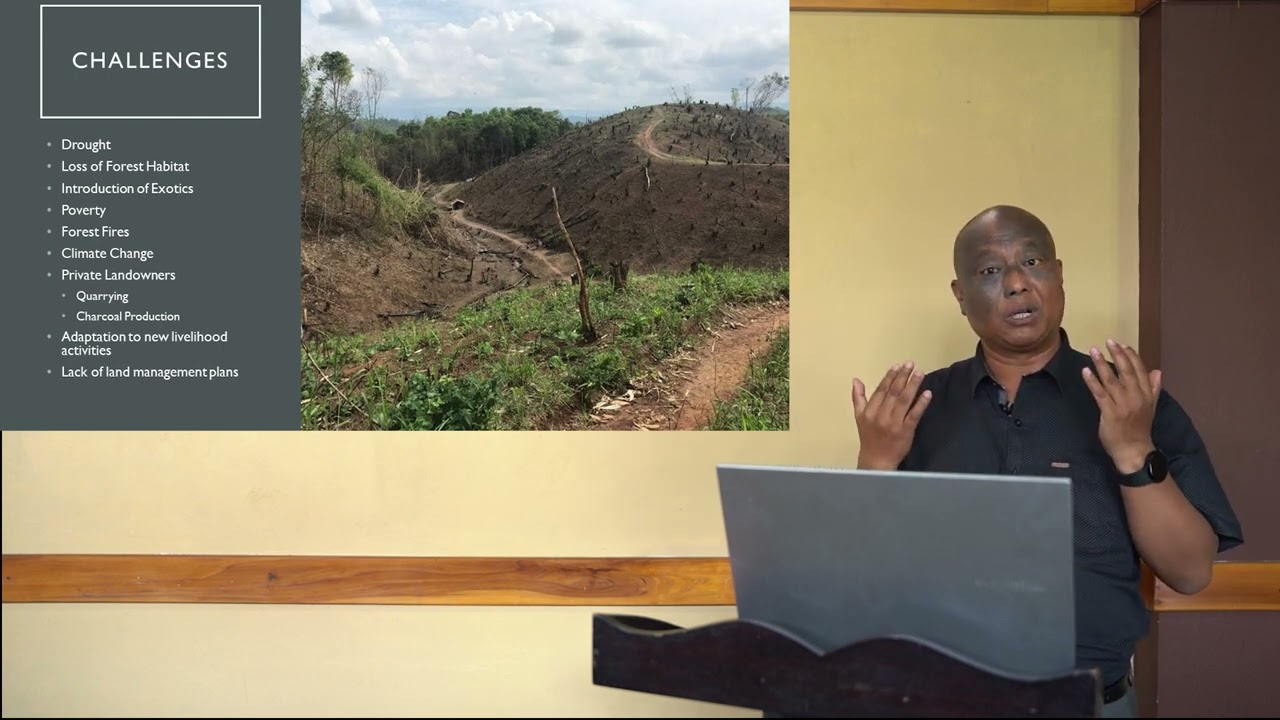
India's first Plan Vivo-certified community forest carbon project: 27,000 ha of subtropical broadleaf forest in East Khasi Hills, Meghalaya. Since 2011: 532,000+ tCO2e verified; US $1.04 M paid to 8,005 families; US $415,000 invested in forest management. 30-year lifespan.
27,000 ha
Forest area
532,000+ tCO2e
Verified emission reductions (since 2011)
US$1.04M
Paid to families
8,005
Families benefiting
Details
Maturity
Established
Promoter
Khasi Hills indigenous forest communities (Plan Vivo certified)
Period
2011-present
Keywords
Forest, carbon, community, biodiversity, Plan Vivo
Context
The Khasi Hills Community REDD+ project is India's first Plan Vivo community forest carbon project, covering 27,000 ha of subtropical broadleaf forest in the East Khasi Hills, Meghalaya, over a 30-year life.
Results
Since 2011 it has verified more than 532,000 tCO2e and paid US$1.04M to 8,005 families, plus US$415,000 for forest management.
Implementation
Implementation detail (cost, timeline, staffing, conditions for success) is not yet available for this practice.
Commonly funded by
Philanthropic / foundation funding
Indicative funding routes for practices of this type — always check each programme's current calls and eligibility rules.
Do you run this practice?
Claim it —
verified implementers get a public contact pathway and can propose corrections.
Data sources
Where this practice's information was retrieved from, and when.
Brazil's oldest community PES: since 2007, the Amazonas Sustainable Foundation pays 583 riverine communities (BRL 50/household/month + community fund) to …