Ifugao Rice Terraces — UNESCO-Coordinated Conservation Financing After the 'In Danger' Listing
Philippines
After the 2,000-year-old Ifugao terraces were placed on UNESCO's List of World Heritage in Danger in 2001 over deforestation, disuse …
Switzerland · Cully · See the Switzerland profile
Evidence: Observational / pre–post Top 58% 40/100 · Ask Evidence Copilot about this practice
Vaud canton and Lavaux's wine communes launched a 2025-2027 study to co-finance repair of the 450km of dry-stone walls holding up the UNESCO-listed terraces, after decades where costs fell almost entirely on individual winegrowers.
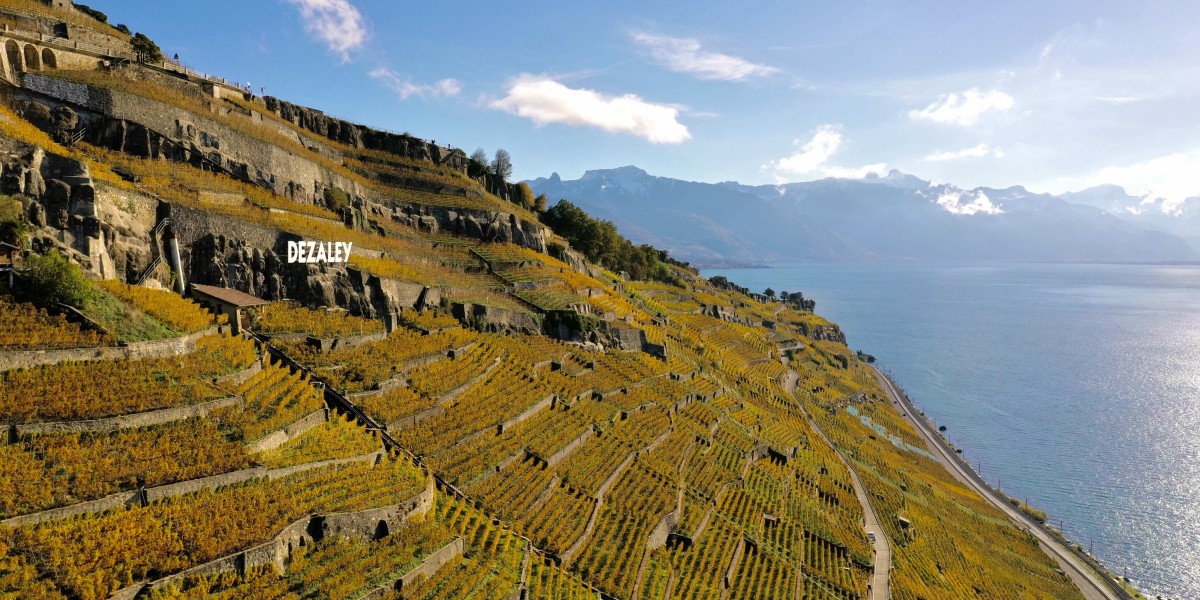
Lavaux's UNESCO-listed 830-hectare terraced vineyard on Lake Geneva is held up by an estimated 450km of dry-stone walls; upkeep has fallen almost exclusively on individual vineyard owners.
In 2025 the canton of Vaud and heritage/wine-sector partners opened a co-financing study (running to spring 2027) splitting costs 50/50 between government agencies and industry; a parallel independent biodiversity survey of half of Lavaux's surface recorded 648 plant/fern species but found rare species concentrated in marginal features (rock outcrops, streambanks) rather than the cultivated parcels themselves.
National / regional programmes
Indicative funding routes for practices of this type — always check each programme's current calls and eligibility rules.
Do you run this practice? Claim it — verified implementers get a public contact pathway and can propose corrections.
Where this practice's information was retrieved from, and when.
Philippines
After the 2,000-year-old Ifugao terraces were placed on UNESCO's List of World Heritage in Danger in 2001 over deforestation, disuse …
Indonesia
Bali's millennium-old subak system — farmer collectives coordinated through water temples — manages irrigation for roughly 19,500 UNESCO-protected hectares of …
Palestine, State of
Battir's dry-stone terraces near Bethlehem are fed by the hakura system, a time-shared spring-water rotation among village families. UNESCO inscribed …
Sri Lanka
Sri Lanka's 2,000-year-old cascaded tank irrigation network, an FAO-designated agricultural heritage system since 2017, is being restored under a GEF/UNEP-backed …
Open full copilot Grounded in cited practices — always check the sources.