Serbia's 40% Electoral Gender Quota — From One-in-Three to Near-Parity Party Lists (2020-2025)
Serbia
Serbia's 2020 electoral reform raised the mandatory gender quota on party lists from one-in-three to 40%, with non-compliant lists barred …
Togo · Lomé · See the Togo profile · See the Lomé profile
Evidence: Observational / pre–post Top 67% 52/100 · Ask Evidence Copilot about this practice
Togo's 2013 Electoral Code (Article 220) requires party candidate lists to alternate equally between women and men, one of only four African quota laws set at 50%. Women's seat share rose from 16.5% (2018) to 18.6% (2024) in the National Assembly, still far short of parity.
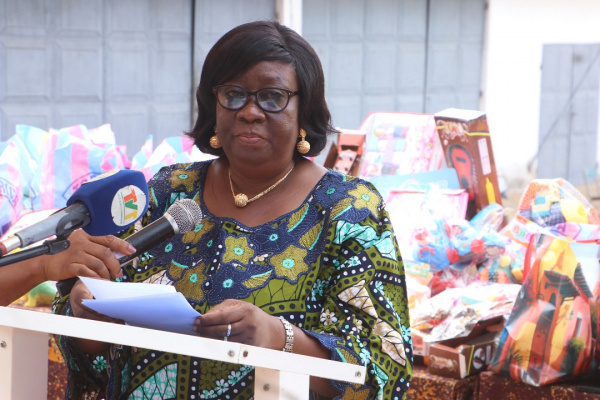
Article 220 of Togo's 2013 Electoral Code requires candidate lists submitted by political parties, coalitions and independents to alternate equally between women and men -- a 50% legislative target shared by only three other African countries (Algeria, Lesotho and Senegal).
Achieve gender parity in elected political representation through a legislated candidate-list quota.
Parties, coalitions and independents must submit gender-alternating candidate lists; a 2024 revision of the Electoral Code halved the mandatory candidacy deposit for women as a financial incentive, but the law includes no sanctions for parties that ignore the parity requirement.
Women's seat share in the National Assembly rose from 16.5% (15 of 91 seats, 2018) to 18.6% (21 of 113 seats, 2024), reaching 21.24% by 2026; women held 26.22% of Senate seats but only 13.33% of ministerial posts and under 15% of municipal and regional council seats.
The gap between the legislated 50% target and actual outcomes shows that a parity mandate without enforcement teeth delivers steady but slow gains rather than parity itself; the 250,000 CFA franc candidacy deposit remains a barrier for many women even after the 2024 reduction.
National / regional programmes
Indicative funding routes for practices of this type — always check each programme's current calls and eligibility rules.
Do you run this practice? Claim it — verified implementers get a public contact pathway and can propose corrections.
Where this practice's information was retrieved from, and when.
Serbia
Serbia's 2020 electoral reform raised the mandatory gender quota on party lists from one-in-three to 40%, with non-compliant lists barred …
North Macedonia
North Macedonia raised its candidate-list gender quota to 40% via Electoral Code amendments, but seat shares have since slipped from …
Kosovo
Kosovo's Law No. 03/L-073 (2008) mandates ≥30% of each gender on Assembly candidate lists, alternating every 3 names. Women's Assembly …
Moldova
Moldova's Law No. 71/2016 requires ≥40% of each sex on party candidate lists for parliamentary and local elections. Women's share …
Open full copilot Grounded in cited practices — always check the sources.