UK Peatland Code
United Kingdom
The UK's quality-assurance standard for peatland restoration: it issues verified carbon units for rewetting degraded peat, delivering bundled carbon, water …
Chile · Punta Arenas · See the Chile profile
Evidence: Descriptive / self-reported Top 89% 27/100 · Ask Evidence Copilot about this practice
Chile's 2024 'Ley Pompón' bans peat extraction and regulates Sphagnum moss harvesting across an estimated 3.2-4 million hectares of peatland; an independent investigation found lobbying claims of 20,000+ dependent families dwarfed the 1,357 people actually certified to harvest.
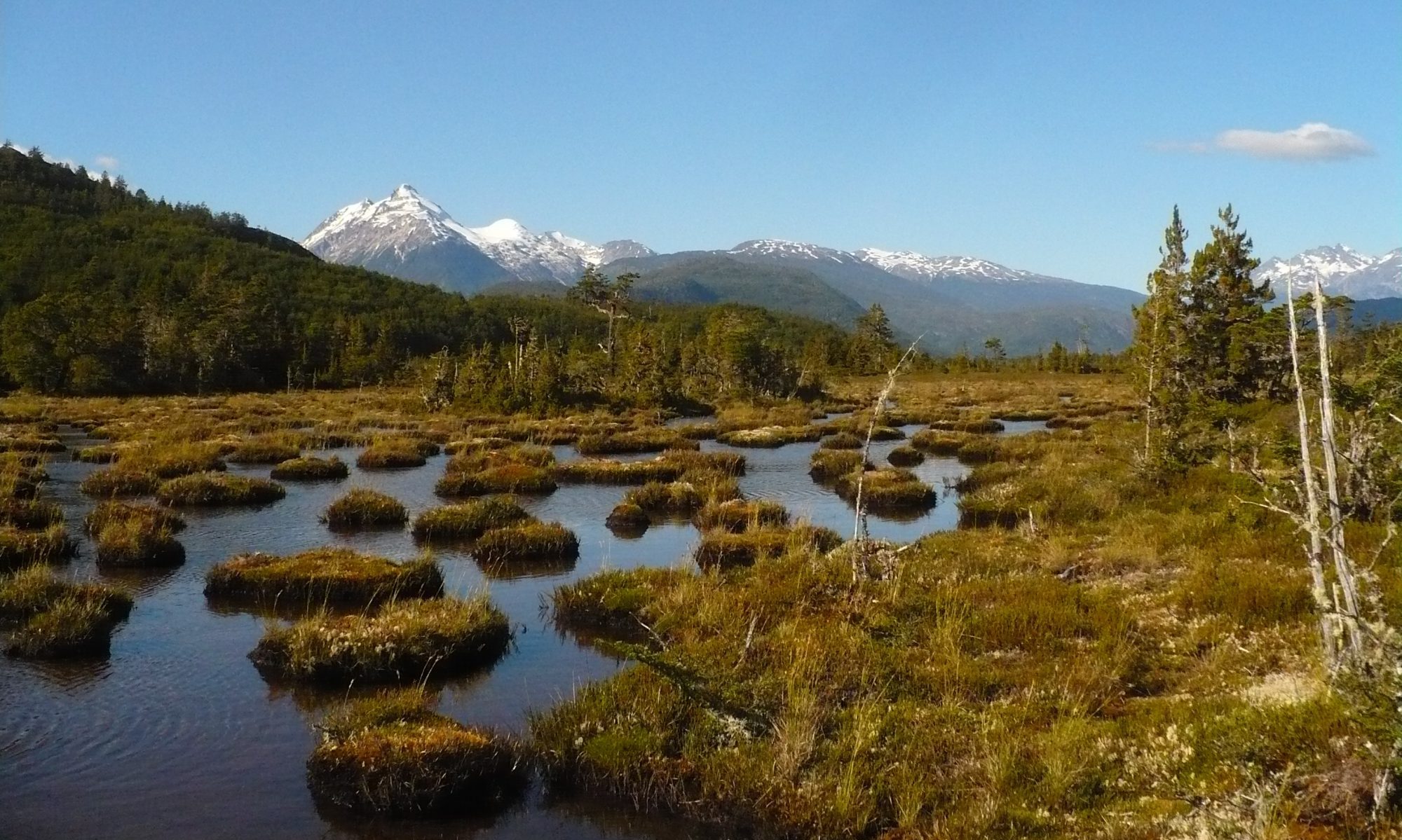
Chile enacted Law 21.660 ("Ley Pompón") in March 2024 after nearly six years of legislative debate, removing peatlands from the mining code and banning peat extraction nationwide while regulating sustainable harvesting of live Sphagnum magellanicum moss, a globally traded horticultural product mostly exported to Southeast Asia. CONAF estimates the law affects roughly 3.2 million hectares of peatland (Los Ríos, Los Lagos, Aysén, Magallanes regions), though CR2 academic researchers put Patagonian peatland extent above 4 million hectares.
The law establishes harvest-plan and training-certification requirements rather than a blanket ban, grounded in documented moss regeneration rates of just 2.5-5 mm/year in Magallanes and about 4 mm/year in Aysén (a harvested 15 cm strand needs roughly 30-60 years to regrow).
Over 2019-2023, official Agricultural Service (SAG) records show 1,357 people nationally completed the required sustainability training, with 270 harvest plans submitted. An independent CIPER Chile investigation found industry lobbying progressively inflated employment claims from 3,000 people (2021) to more than 20,000 families (2023), none substantiated against SAG's own certification records.
The inflated lobbying claims likely contributed to the final law permitting moss harvest rather than the "complete protection" originally proposed in 2018. The episode is a rare, well-documented case of independent fact-checking holding environmental legislation accountable to real evidence rather than unverified economic claims.
National / regional programmes
Indicative funding routes for practices of this type — always check each programme's current calls and eligibility rules.
Do you run this practice? Claim it — verified implementers get a public contact pathway and can propose corrections.
Where this practice's information was retrieved from, and when.
United Kingdom
The UK's quality-assurance standard for peatland restoration: it issues verified carbon units for rewetting degraded peat, delivering bundled carbon, water …
Belarus
Belarus has rewetted 89,400 hectares of degraded peatlands since 2007—the largest UNDP-supported peatland restoration programme in Europe—cutting ~3 million tCO₂e …
Estonia
Estonia's 2015–2021 LIFE Mires programme restored natural water conditions on nearly 8,000 hectares of drained peatland by closing 317km of …
Russia
After catastrophic 2010 peat fires blanketed Moscow in smog, the Moscow Province Administration rewetted 73,000 ha of fire-prone peatlands (2010-2013) …
Open full copilot Grounded in cited practices — always check the sources.