Estonia Natura 2000 Compensation Payments — Private Forest and Farmland Management
Estonia
Estonia's EAFRD-funded Rural Development Plan pays private landowners €60–134/ha for Natura 2000 management restrictions. By 2019: €4.3 M/year for 64,000 …
Hungary · Szolnok · See the Hungary profile
Evidence: Observational / pre–post Top 76% 33/100 · Ask Evidence Copilot about this practice
A 2001-2005 EU LIFE-Nature project paid Tisza-valley farmers near Szolnok, Hungary to graze traditional cattle on restored wet meadows, reconnecting gravel pits and reviving beaver and fish habitat - though key hydrological works stalled after a 2004 permitting reorganisation.
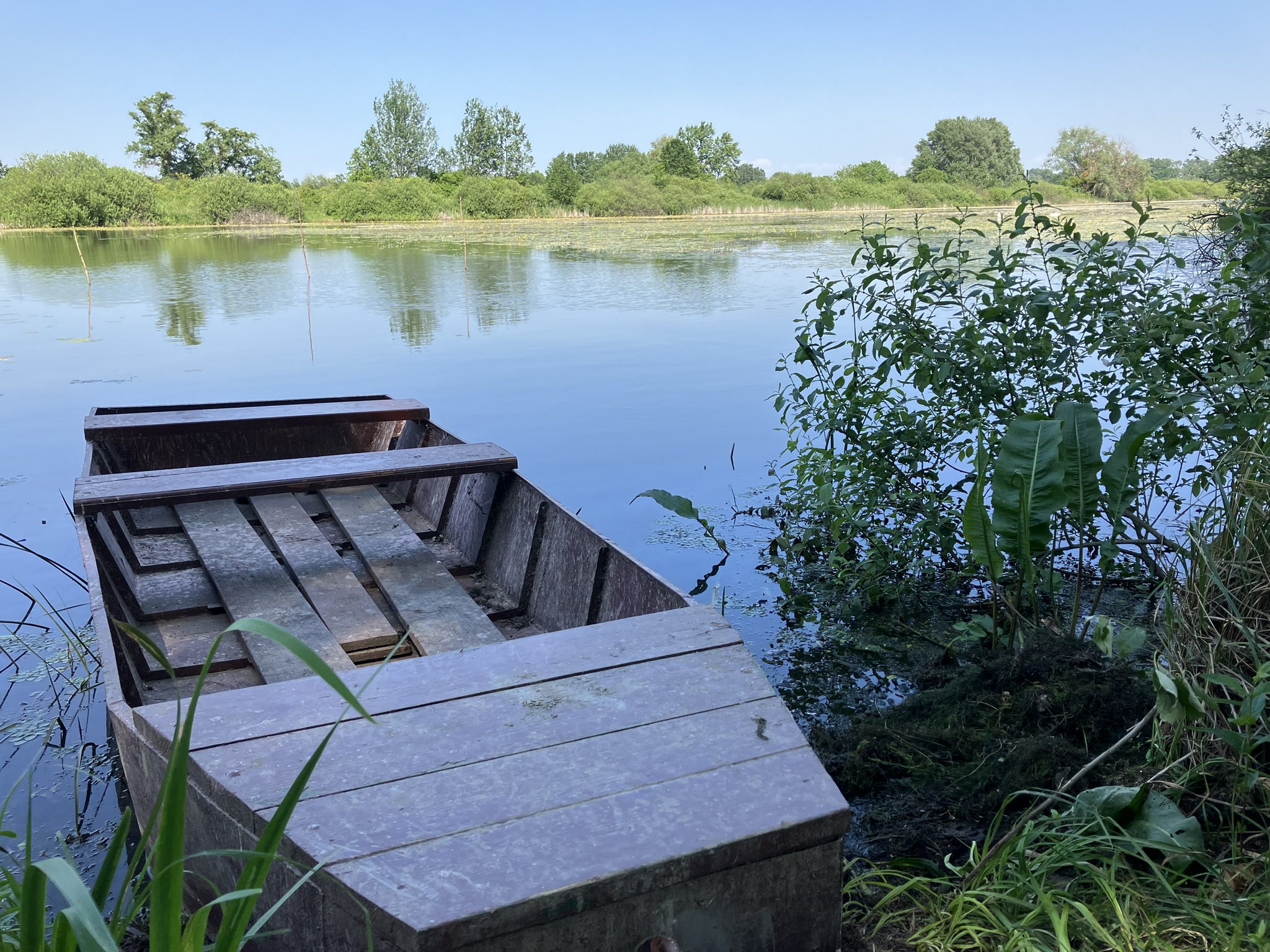
HU32Between 2001 and 2005, WWF Austria and WWF Hungary ran a €217,663 EU LIFE-Nature project ("Management of Floodplains on the Tisza", LIFE00 NAT/A/007051) across five sub-sites of the middle Tisza River near Szolnok, Hungary. The project reconnected old gravel pits to the river's flood regime, converted drained arable land back to wet meadow, and paid local farmers through grazing-based land-use agreements using traditional Hungarian grey cattle as an alternative income source to intensive cropping.
Verified outcomes include a successful beaver reintroduction, clay-pit restoration near Nagykörű that improved conditions for native fish spawning, and the establishment of grazing management across all five designated sub-sites. However, according to the EU's own project record, several planned actions were not completed: hydrological restoration at Tiszajenő, a permit for hybrid-poplar removal at Tiszakürt, and formal legal protection of the Kötelek sub-site all stalled after Hungary's nature-protection authority was reorganised in 2004, shifting permitting from regional park directorates to a centralised Budapest agency. Independent reporting on continuing restoration work near the same Nagykörű site (under the EU-funded MERLIN programme) confirms large-river restoration in the Tisza valley remains slow going two decades on.
Indicative funding routes for practices of this type — always check each programme's current calls and eligibility rules.
Do you run this practice? Claim it — verified implementers get a public contact pathway and can propose corrections.
Where this practice's information was retrieved from, and when.
Estonia
Estonia's EAFRD-funded Rural Development Plan pays private landowners €60–134/ha for Natura 2000 management restrictions. By 2019: €4.3 M/year for 64,000 …
Brazil
Brazil's first ecological fiscal transfer (1991) redistributes ~R$500 million/year of state VAT revenue to municipalities hosting protected areas or water …
Romania
Romania's PNDR Measure 10 pays 125–500 EUR/ha to smallholder farmers maintaining biodiversity-rich HNV meadows. Over 2015–2019, 212,413 beneficiaries received EUR …
Romania
The EU-funded GreenDanube LIFE project (2006-2010) cleared 12.2 hectares of invasive Amorpha fruticosa and added 953.5 hectares of Danube floodplain …
Open full copilot Grounded in cited practices — always check the sources.