EthioTrees Dryland Restoration Project (Tigray, Ethiopia)
Ethiopia
Plan Vivo- and Gold Standard-certified dryland restoration in Tigray, Ethiopia: landless and smallholder farmers have restored 30,000+ ha since 2016, …
Tanzania · Turiani · See the Tanzania profile
Evidence: Observational / pre–post Top 27% 53/100 · Ask Evidence Copilot about this practice
Since 2021, PAMS Foundation and Trees for All have signed 30-year leases with 100+ farmers in Tanzania's Nguru Mountains, replanting 270,000+ native trees on 200 ha of an Eastern Arc biodiversity hotspot; Plan Vivo-validated, min. 51% revenue share to communities.
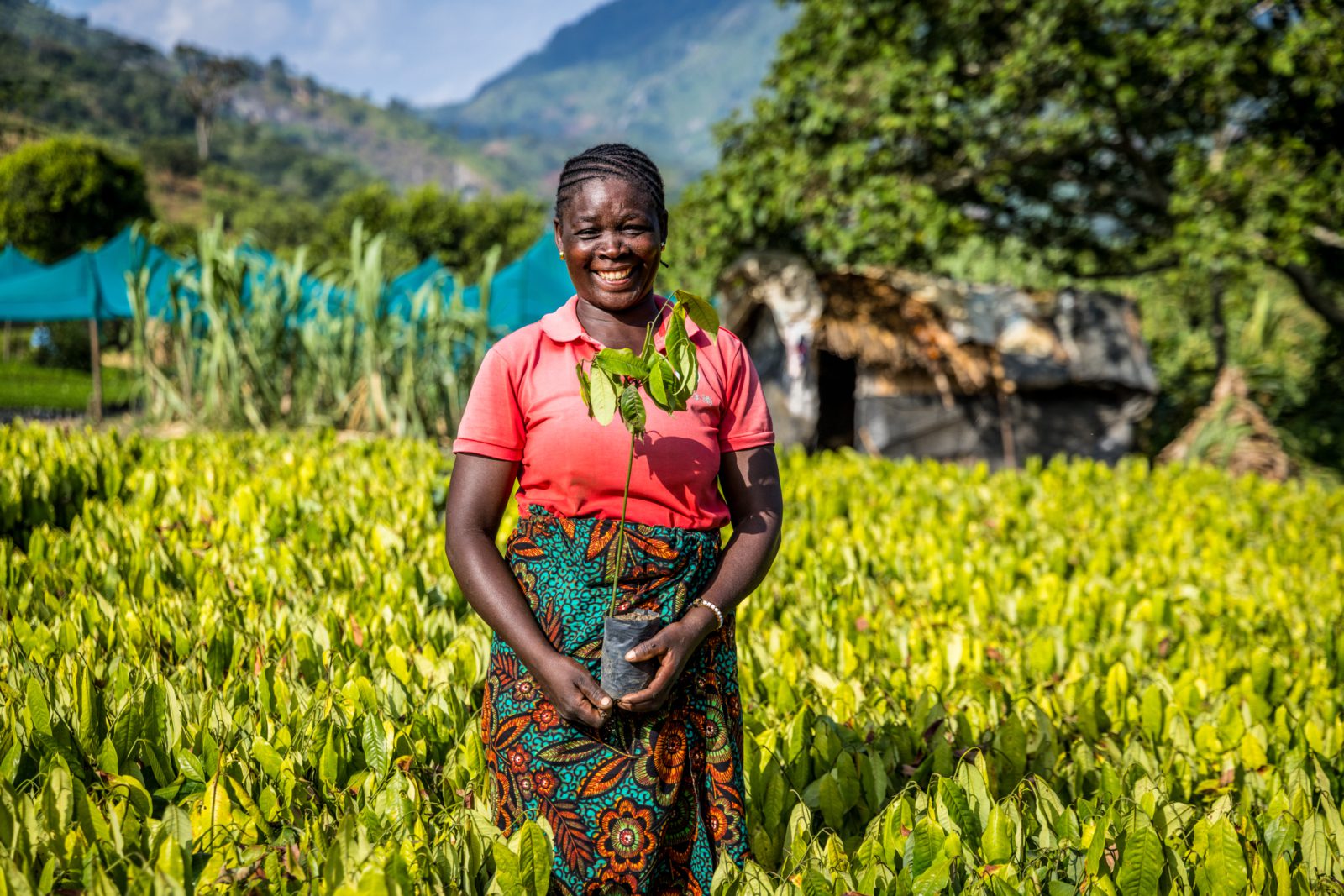
In Tanzania's South Nguru Mountains, part of the Eastern Arc biodiversity hotspot, the PAMS Foundation and Dutch NGO Trees for All began the Nguru Forest Landscape Restoration Project in 2021, working with smallholder farmers on degraded land bordering the Mkingu Forest Nature Reserve. Sokoine University of Agriculture provides technical support, and the project is independently validated against the Plan Vivo Carbon Standard.
Farmers sign 30-year leases (0.2-1.6 ha plots) to plant native rainforest tree seedlings on their land, with Plan Vivo's benefit-sharing rules guaranteeing a minimum 51% share of future carbon revenue to farmers to offset lost cropland and cash-crop income during restoration.
Phase 1 has planted over 270,000 tree seedlings across 16 native species on 200 hectares of farmland, with more than 100 farmers under lease. The project design anticipates roughly 35,000 carbon credits, validated against the Plan Vivo standard, though this reflects a validated projection rather than multi-year verified issuance.
Phase 1 covers only 200 of the 6,200 hectares eventually planned across 31 villages, so most of the anticipated carbon and biodiversity benefit still depends on scaling to a much larger number of farmer contracts, with Phase 2 targeting a further 300 hectares.
Philanthropic / foundation funding
Indicative funding routes for practices of this type — always check each programme's current calls and eligibility rules.
Do you run this practice? Claim it — verified implementers get a public contact pathway and can propose corrections.
Where this practice's information was retrieved from, and when.
Ethiopia
Plan Vivo- and Gold Standard-certified dryland restoration in Tigray, Ethiopia: landless and smallholder farmers have restored 30,000+ ha since 2016, …
Honduras
Plan Vivo-certified community carbon project in La Mosquitia—Honduras's last large primeval forest. Miskito fire brigades protect 1,600+ ha of pine …
Nicaragua
Plan Vivo–certified community reforestation with 4,000+ smallholder families across 17,000+ ha in Estelí highlands. All 2015–2021 credits independently verified; US$3.1M …
Mexico
World's oldest operational carbon market project (1994), led by indigenous and mestizo farming communities in Chiapas under Plan Vivo. Covers …
Open full copilot Grounded in cited practices — always check the sources.