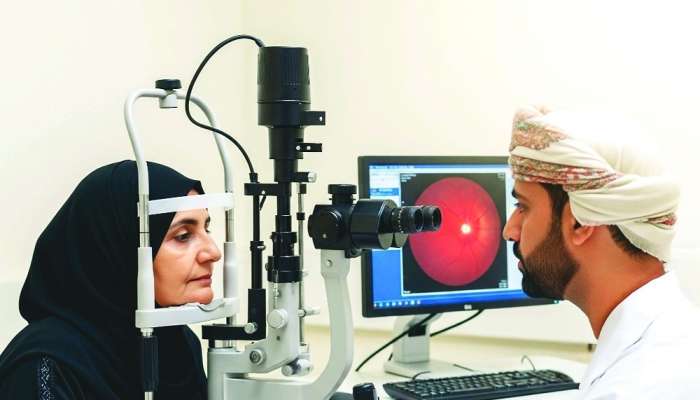
The National Project for Diabetic Retinopathy Screening Using Artificial Intelligence Technologies, run by the Ministry of Health's National Virtual Health Centre, analyses retinal photographs of adults with diabetes in primary-care settings and refers suspected cases to eye specialists. About 15% of Omani adults live with diabetes, and retinopathy is a leading preventable cause of blindness.
By August 2025 the ministry reported more than 10,000 patients screened. By August 2026 the first phase covered 25 health institutions across the governorates (highest use in Seeb, Bausher, Suhar and Ibri), with more than 43,000 patients screened and over 12,000 (around 30%) identified as needing specialist examination.
The ministry reports diagnostic accuracy of 91.3% and sensitivity of 85%; specialist clinic waiting lists fell by 87%, with waits for examination and treatment dropping from 62 to 8 days in the first seven months; screening time fell from about 1.5 hours (with pupil-dilating drops) to around 15 minutes; and annual operating costs fell by 43.2%.
Caveats: all figures come from ministry statements relayed by the press; the AI vendor, specificity and validation protocol are not published, and there is no independent evaluation. Planned next steps include coverage of all registered diabetic adults, remote areas, glaucoma and keratoconus screening, and a local AI engine trained on Omani retinal images.
Read the full analysis: https://timesofoman.com/article/175984-national-ai-project-screens-over-43000-diabetic-patients-to-prevent-vision-loss-in-oman
Where this practice's information was retrieved from, and when.