Guyana's MRVS: Satellite-Verified Forest Payments, Then a Contested Carbon-Credit Sequel
Guyana
Guyana's Forestry Commission built a national satellite MRV system that verified a 0.068% deforestation rate, earning $190M from Norway (2009-2015). …
Peru · Pucallpa · See the Peru profile
Evidence: Observational / pre–post Top 89% 27/100 · Ask Evidence Copilot about this practice
Peru's National Forest Conservation Programme pays indigenous communities with land titles to protect Amazon forest, verified via Geobosques satellite alerts. Since 2010: 188 communities, 1.8M+ hectares — though 2024 research found high dropout and persistent deforestation.
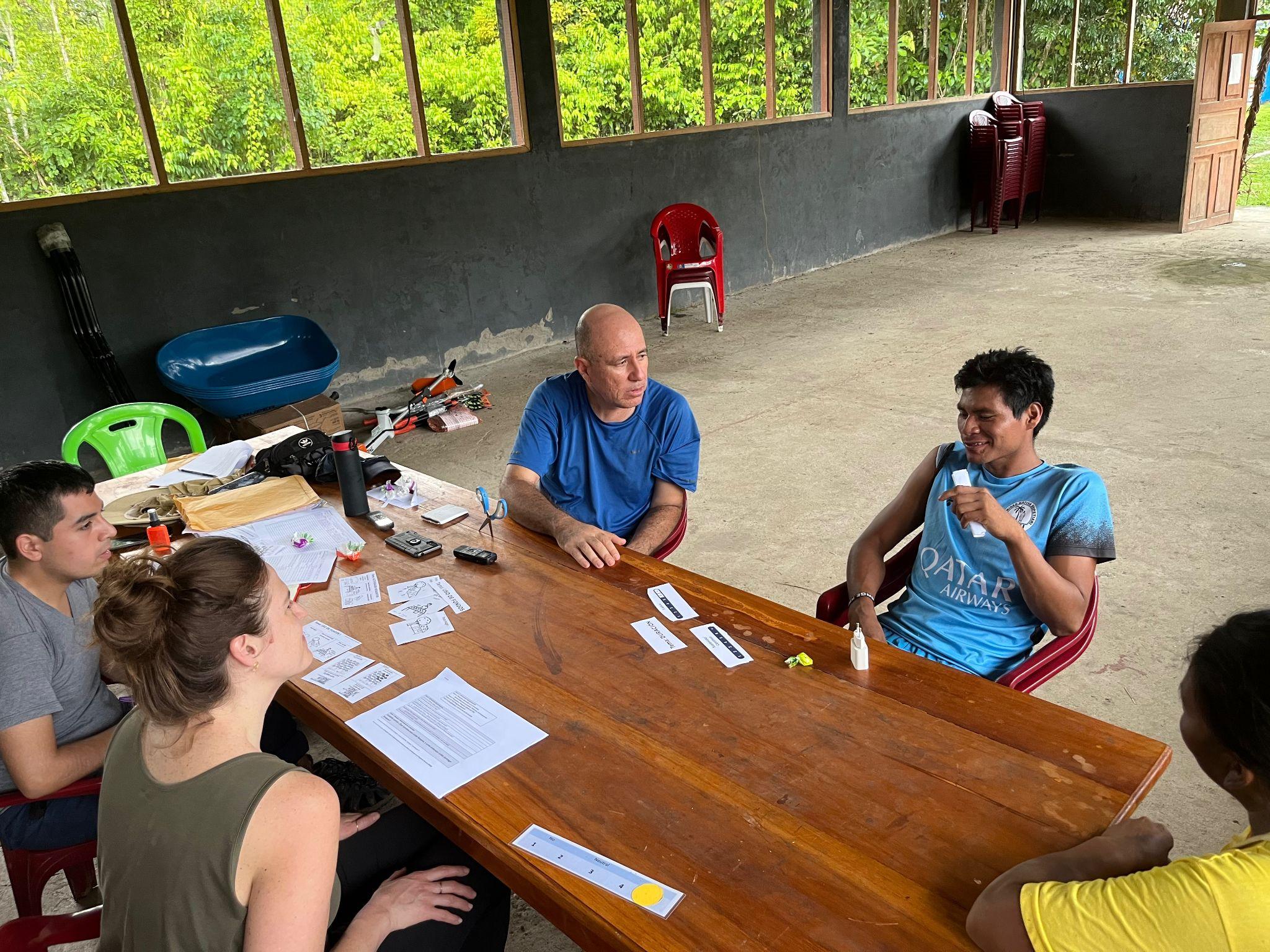
Peru's Ministry of Environment created the National Forest Conservation Programme for Climate Change Mitigation (PNCB) in 2010, using conditional direct transfers (TDC) to pay indigenous communities holding legal land titles for protecting standing Amazon forest, tying payments to forest patrols and community-defined sustainable-development plans.
Compliance and forest-cover change are tracked through Geobosques, MINAM's public platform, which has produced Landsat-based deforestation alerts at 30-metre resolution every 16 days since 2016/2017, letting authorities, researchers and communities monitor specific areas and receive automated email alerts. With co-financing including a €4.99 million commitment implemented by Germany's GIZ (2014-2019), the scheme was institutionalised by five regional governments — San Martín, Loreto, Ucayali, Amazonas and Madre de Dios — and covered 188 indigenous communities and more than 1.8 million hectares of tropical forest.
A September 2024 assessment by CIFOR-ICRAF found that, nearly 15 years on, Peru's deforestation rates remain 'stubbornly high' and have fallen short of the programme's original targets, with TDC-recipient communities showing high dropout and expulsion rates that raise questions about long-term sustainability.
The case is a reminder that satellite-verified payments alone have not been sufficient to reverse Amazon forest loss.
National / regional programmes
Indicative funding routes for practices of this type — always check each programme's current calls and eligibility rules.
Reusable artefacts from this practice — as published by their sources.
Do you run this practice? Claim it — verified implementers get a public contact pathway and can propose corrections.
Where this practice's information was retrieved from, and when.
Guyana
Guyana's Forestry Commission built a national satellite MRV system that verified a 0.068% deforestation rate, earning $190M from Norway (2009-2015). …
Congo (the Democratic Republic of the)
DRC's Mai-Ndombe forests earned a first-ever $19.48M FCPF Carbon Fund payment in June 2025 for 3.89M tonnes of satellite-verified reductions …
Gabon
Under a 10-year, $150M CAFI deal, Gabon became the first African country paid for forest-carbon results - $17M in 2021 …
Nepal
Nepal received its first-ever REDD+ results-based payment - US$9.4 million from the World Bank's FCPF - in November 2025, after …
Open full copilot Grounded in cited practices — always check the sources.