Komp — No Isolation's One-Button Screen for Older Adults, Tested in Oslo's 1,111-Person Home-Care RCT
Norway
Komp is a one-button screen for older people who cannot use smartphones: family send photos and video calls from an …
United States of America · Miami · See the United States of America profile
Top 82% 52/100 · Ask Evidence Copilot about this practice
NIA-funded CREATE researchers built PRISM, software designed with older users. In a 300-person RCT it cut loneliness at 6 months, but the gap faded by 12; a 245-person follow-up found no added benefit over a plain tablet with equal training.
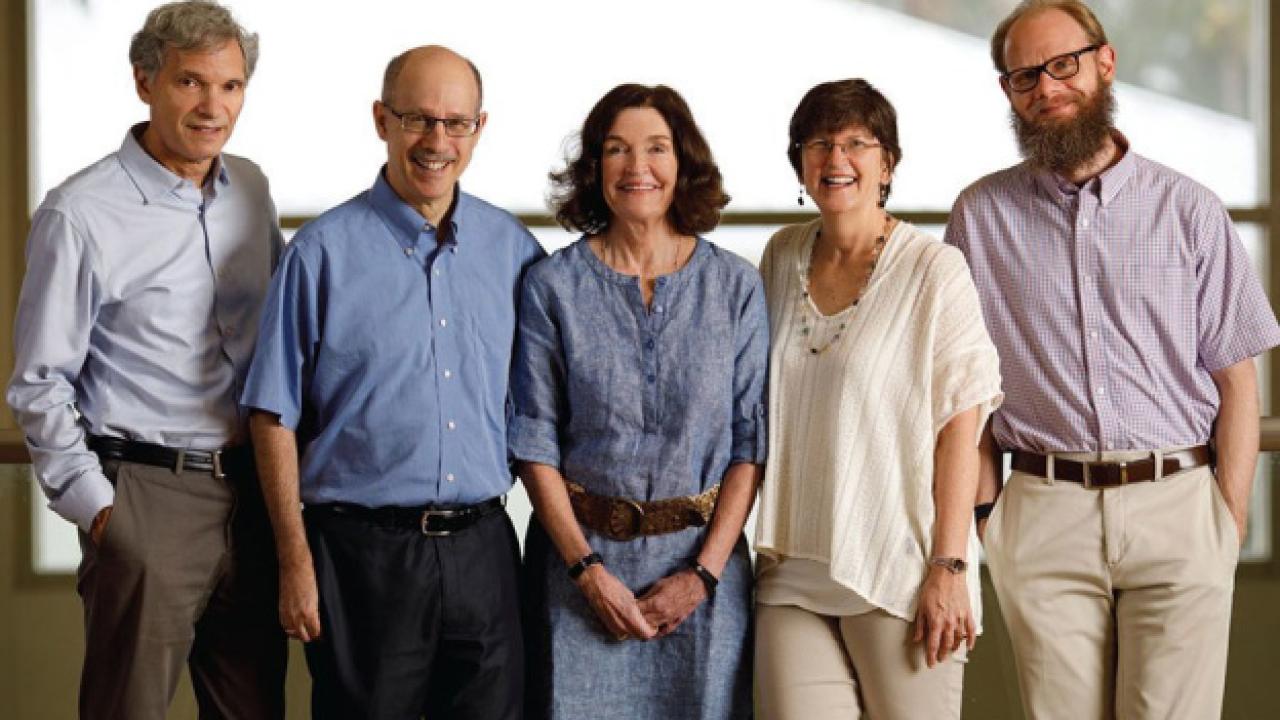
PRISM (Personal Reminder Information and Social Management) is a computer system designed specifically for older adults at risk of social isolation by the CREATE research centre, a collaboration of the University of Miami, Florida State University (Tallahassee) and Georgia Tech (Atlanta), funded by the US National Institute on Aging.
The first multisite randomised field trial, published in The Gerontologist, enrolled 300 community-dwelling older adults (mean age 76.15) and compared PRISM with a 'Binder' condition giving the same content on paper. At 6 months the PRISM group reported significantly less loneliness and higher perceived social support and well-being, with a trend toward less social isolation. Group differences were not maintained at 12 months, although PRISM users still showed improvement from baseline, and their computer self-efficacy, proficiency and comfort rose at 6 and 12 months.
PRISM 2.0 moved the system to a 10.1-inch Android tablet with no login and a single icon, giving email, vetted web links, a classroom, socialising and volunteering resources, health and community information, games, a calendar with reminders, video chat and help. It was developed through an iterative user-centred design process including interviews with earlier users, two rounds of usability testing per site and a heuristic analysis.
The PRISM 2.0 trial (Innovation in Aging, 2024; NCT03116399) randomised 245 adults aged 64–99 in assisted living, senior housing and rural Leon County to PRISM 2.0 or a standard tablet with equal training and contact. The hypothesised added benefit of the purpose-designed software was not found: in rural and senior-housing settings both groups reduced loneliness and isolation and gained social support and quality of life, device proficiency rose everywhere, and assisted-living residents showed no change in loneliness or quality of life. Greater PRISM 2.0 use was associated with larger quality-of-life gains in an exploratory analysis.
Lesson for inclusive design: a well-tested, age-adapted interface helped older adults get online and feel less lonely in the short term, but the evidence suggests that devices, connectivity, training and human contact did much of the work, and effects faded without continued support. Samples were about 78% female and largely well educated (PRISM 2.0).
Read the full analysis: https://geriatrics-palliative.weill.cornell.edu/about-us/news/exploring-impact-technology-aging-adults-insights-prism-20-trial
Implementation detail (cost, timeline, staffing, conditions for success) is not yet available for this practice.
Do you run this practice? Claim it — verified implementers get a public contact pathway and can propose corrections.
Where this practice's information was retrieved from, and when.
Norway
Komp is a one-button screen for older people who cannot use smartphones: family send photos and video calls from an …
United States of America
In 2022 New York's Office for the Aging bought 800+ ElliQ tabletop AI companions, built for older adults, for isolated …
Spain
A retired doctor's 2022 petition ('I'm old, not an idiot', 600,000+ signatures) led Spain's banks to commit to counter hours, …
Zambia
Viamo's Ask Viamo Anything lets anyone with a basic phone call a free line and ask a question in a …
Open full copilot Grounded in cited practices — always check the sources.