Peru's National Mechanism for Retribution for Ecosystem Services (MERESE, Ley 30215)
Peru
Peru's 2014 MERESE law lets water utilities reserve tariff revenue for watershed conservation - 45 of 50 utilities have a …
Ukraine · Vylkove · See the Ukraine profile
Since 2019, Rewilding Ukraine has restored wetlands and steppe in the Danube Delta with Endangered Landscapes Programme funding; despite Russia's 2022 invasion, the team restored 13,500 ha and reintroduced 240+ animals, including Europe's last free-ranging kulan herd.
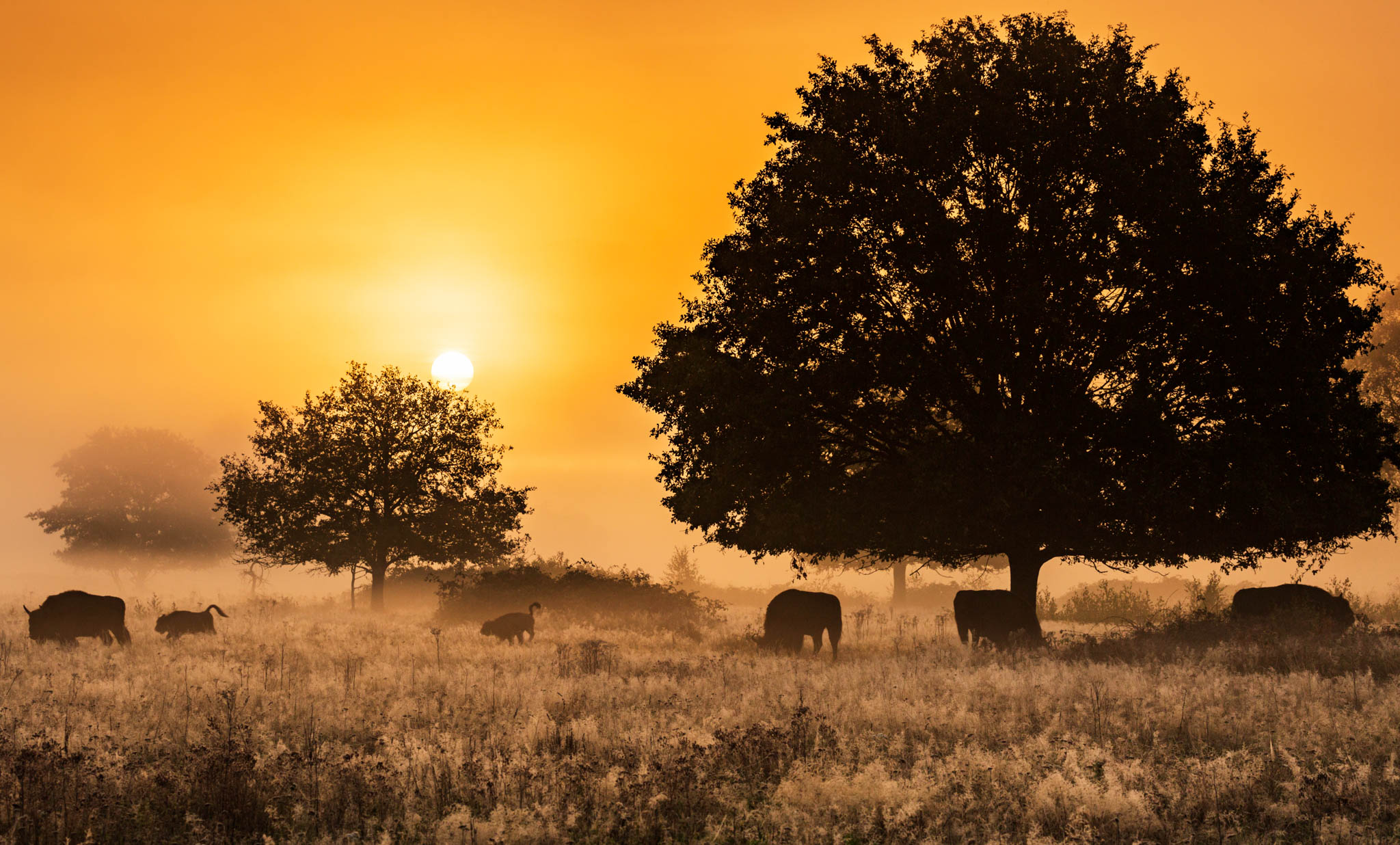
Rewilding Ukraine, the Ukrainian affiliate of Rewilding Europe, has worked since 2019 on landscape-scale restoration of the Danube Delta Biosphere Reserve and the adjacent Tarutino Steppe in Odesa Oblast, funded by a €2.1 million (c. $2.4 million) grant from the Endangered Landscapes Programme (ELP) covering coordinated restoration through 2024. Work includes removing dams and reconnecting rivers and lakes to restore natural flooding, converting former farmland back to wetland and steppe, and reintroducing locally extinct or depleted species.
On the Ukrainian side, the team has removed 10 dams from the Kogilnyk, Kagach and Sarata rivers and reconnected the Kartal, Katlabuh and Kugurlui lakes to the Danube system. Species reintroductions include kulan (Asiatic wild ass), water buffalo, red deer, fallow deer, semi-wild horses, steppe marmots, European hamsters and eagle owls, with two Dalmatian pelican breeding platforms constructed.
Since Russia's February 2022 full-scale invasion, Rewilding Ukraine has restored 13,500 hectares of wetland and unforested grassland habitat, including over 500 hectares of the Tarutino Steppe, now proposed as the core of a 9,700-hectare Budzhak Steppes National Nature Park. More than 240 animals have been released across seven reintroduced species — including Europe's only free-ranging kulan herd — with over 70 offspring born to reintroduced populations since 2022.
The programme's most distinguishing feature is operational continuity, and even acceleration, of restoration work throughout an active war — a governance-resilience story that also carries acute, ongoing political and security risk limiting near-term transferability. Its strongest evidence is on wetland/hydrological reconnection and species reintroduction; carbon and fire outcomes are not quantified in available sources.
Where this practice's information was retrieved from, and when.
Peru
Peru's 2014 MERESE law lets water utilities reserve tariff revenue for watershed conservation - 45 of 50 utilities have a …
Bhutan
Asia's first 'Project Finance for Permanence' secures 1.1 M ha of protected Himalayan forest in Bhutan via a USD 118 …
Tanzania
Africa's first FSC community forest (2009): MCDI supports 40+ communities managing 410,000+ ha of Tanzanian miombo woodland, with 150,000 ha …
Portugal
Since 2011, companies reward cork-oak landowners in Coruche/Chamusca/Ponte de Sor for FSC-certified good management that protects the Tejo-Sado aquifer and …
Open full copilot Grounded in cited practices — always check the sources.