Amara y Ullujalla — Peru's First Conservation Concession for a Fog-Oasis (Lomas) Ecosystem
Peru
In April 2024 Peru granted its first Concession for Conservation over a lomas fog-oasis: 6,449 hectares in Ica region, protected …
Egypt · Saint Catherine · See the Egypt profile
Evidence: Descriptive / self-reported Top 96% 20/100 · Ask Evidence Copilot about this practice
Egypt's Saint Catherine Protectorate, co-managed with the Jabaliya Bedouin around a UNESCO World Heritage monastery, protects over 500 plant species through community guiding and stewardship — now under strain from a $300M luxury resort project.
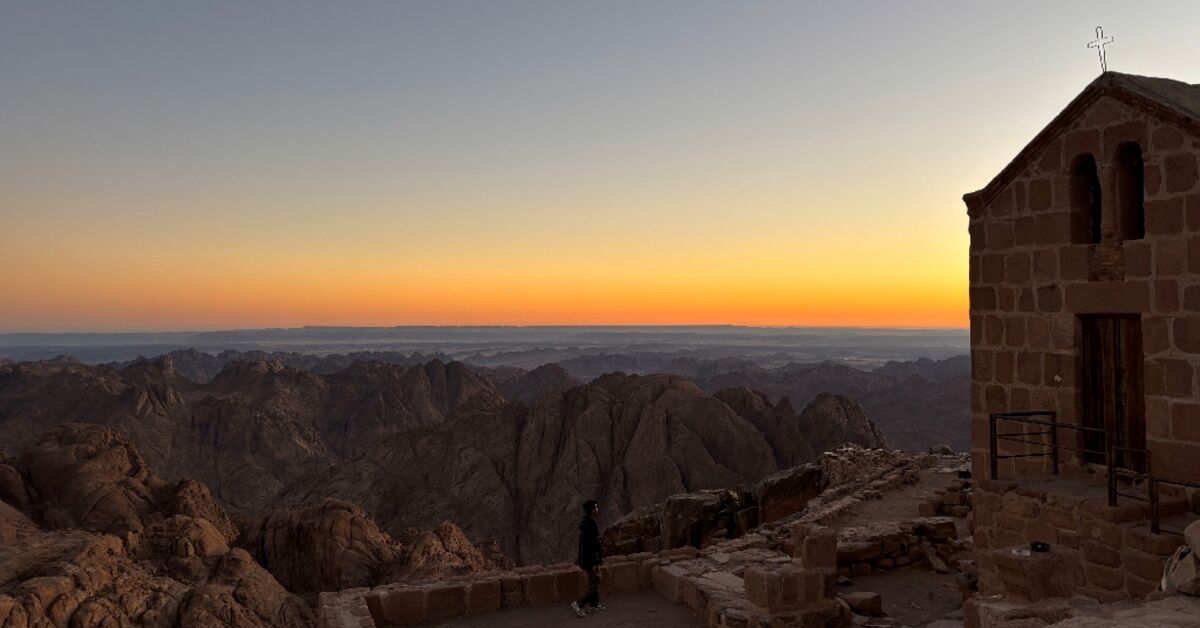
The Saint Catherine Protectorate was declared in 1988 and had its boundaries formally defined in 1996 under an EU-funded project, placing roughly 4,350 km2 of South Sinai's highest mountains -- including Gebel Katherina, Egypt's tallest peak at 2,642 m -- under management by the Egyptian Environmental Affairs Agency (EEAA).
The area is home to some 7,000 Bedouin from seven tribes, chiefly the Jabaliya, who trace their presence to the 6th century and who the protectorate formally engages as community guards, mountain guides and ecotourism hosts around Saint Catherine's Monastery, a UNESCO World Heritage Site since 2002.
A peer-reviewed case study in Biodiversity and Conservation documented how the protectorate linked conservation of the reserve's more than 500 plant species -- at least 30 of them endemic, many used in Bedouin medicinal traditions -- to community development through this guiding and stewardship model.
That co-management arrangement is now under acute strain: independent reporting in late 2025 described a roughly $300 million 'Great Transfiguration' resort development -- including five-star hotels, a conference centre and hundreds of housing units, reported around 90% complete -- that has destroyed a centuries-old Bedouin cemetery and proceeded, according to local accounts, with inadequate consultation of the Jabaliya community. Saint Catherine is therefore included here as an honestly mixed case: a genuine, academically documented model of indigenous co-management funding biodiversity conservation through cultural and religious tourism, now facing a credible, well-reported governance setback that other catalogues should weigh before treating it as a template to replicate unmodified.
National / regional programmes
Indicative funding routes for practices of this type — always check each programme's current calls and eligibility rules.
Do you run this practice? Claim it — verified implementers get a public contact pathway and can propose corrections.
Where this practice's information was retrieved from, and when.
Peru
In April 2024 Peru granted its first Concession for Conservation over a lomas fog-oasis: 6,449 hectares in Ica region, protected …
Yemen
Since 1997, GEF-backed UNDP/UNOPS support has helped Yemen's Socotra Archipelago define 426 km2 of nature sanctuaries, national parks and resource-use …
Azerbaijan
Azerbaijan tripled Hirkan National Park's protected relict Caspian Hyrcanian forest from 29,760 ha (2004) to over 55,000 ha (2022–23), confirmed …
Montenegro
A $950k GEF grant plus $5.44M co-financing (2009–2017) helped Montenegro's environment ministry expand its protected-area system toward a 165,000 ha …
Open full copilot Grounded in cited practices — always check the sources.