The Matlab Family Planning–Health Services Programme, Bangladesh (icddr,b)
Bangladesh
Since 1977, icddr,b's family planning programme in Matlab, Bangladesh has been rigorously studied, cutting fertility ~25% — but 35-year follow-up …
Sierra Leone · Freetown · See the Sierra Leone profile · See the Freetown profile
Evidence: Observational / pre–post Top 26% 85/100 · Ask Evidence Copilot about this practice
Since 2010, Sierra Leone has given free healthcare to pregnant women, lactating mothers and under-fives. Institutional deliveries rose from 27% to 57% in 3 years, and maternal mortality fell 74% (2000–2020) — though wealth-based inequity persists.
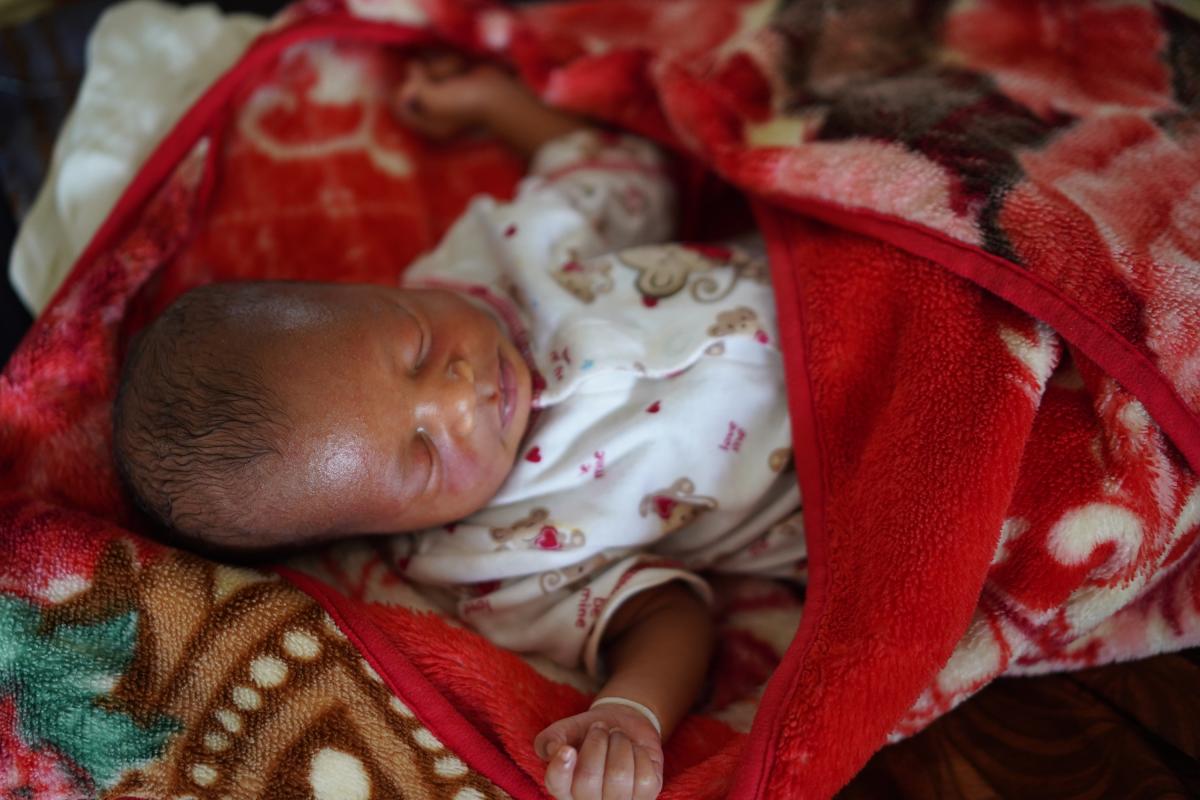
Sierra Leone launched its Free Health Care Initiative (FHCI) in April 2010, removing user fees for pregnant women, lactating mothers and children under five at public health facilities nationwide, in a country that faced some of the world's highest maternal and child mortality rates after its 1991–2002 civil war.
A peer-reviewed analysis of Sierra Leone Demographic and Health Survey data (Jalloh et al., 2019) comparing 2008 (n=7,374 women) with 2013 (n=16,658 women) found institutional deliveries rose from 27% to 57%, antenatal care visits (4+) rose from 51% to 75%, and complete postnatal reviews rose from 8.3% to 41.4%. WHO's Africa regional office reports Sierra Leone's maternal mortality ratio fell 74%, from 1,682 to 443 deaths per 100,000 live births, between 2000 and 2020, with facility-based deliveries by skilled attendants exceeding 80% by the early 2020s, up from 54% in 2010.
The same peer-reviewed evaluation found wealth-related inequity in institutional delivery widened over the study period, with richest-quintile women reaching 72.2% institutional delivery by 2013 versus 50.4% among the poorest quintile, indicating free care alone did not close access gaps driven by education, rural residence and other structural barriers. Sierra Leone still falls short of the SDG target of 70 maternal deaths per 100,000 live births.
Implementation detail (cost, timeline, staffing, conditions for success) is not yet available for this practice.
National / regional programmes
Indicative funding routes for practices of this type — always check each programme's current calls and eligibility rules.
Do you run this practice? Claim it — verified implementers get a public contact pathway and can propose corrections.
Where this practice's information was retrieved from, and when.
Bangladesh
Since 1977, icddr,b's family planning programme in Matlab, Bangladesh has been rigorously studied, cutting fertility ~25% — but 35-year follow-up …
South Africa
South Africa's Thuthuzela Care Centres (TCCs) co-locate police, medical, legal and psychosocial services for sexual-violence survivors. Since 2006, 66+ centres …
United States of America
A CDC-funded cluster-randomised trial across 26 Kentucky high schools found Green Dot's bystander-training model reduced sexual violence, dating violence and …
Bangladesh
Since the 2017 Rohingya influx, UNFPA has run Women-Friendly Spaces in Cox's Bazar's camps, growing from 19 sites in 2018 …
Open full copilot Grounded in cited practices — always check the sources.