EPFL Innovation Park
Switzerland
The EPFL Innovation Park in Lausanne houses 250 high-tech companies and 2,500 researchers, enabling structured university–industry knowledge transfer. EPFL-related startups …
Switzerland · Zurich · See the Switzerland profile · See the Zurich profile
Evidence: Descriptive / self-reported Top 50% 67/100 · Ask Evidence Copilot about this practice
Switzerland's first major tech park, established in Zurich in 1993. The 47,000 m² campus hosts ~260 deep-tech companies and 2,800 employees in medtech, AI, data science and cleantech — with a new AI Startup Center now building a dedicated AI/data-science innovation cluster.
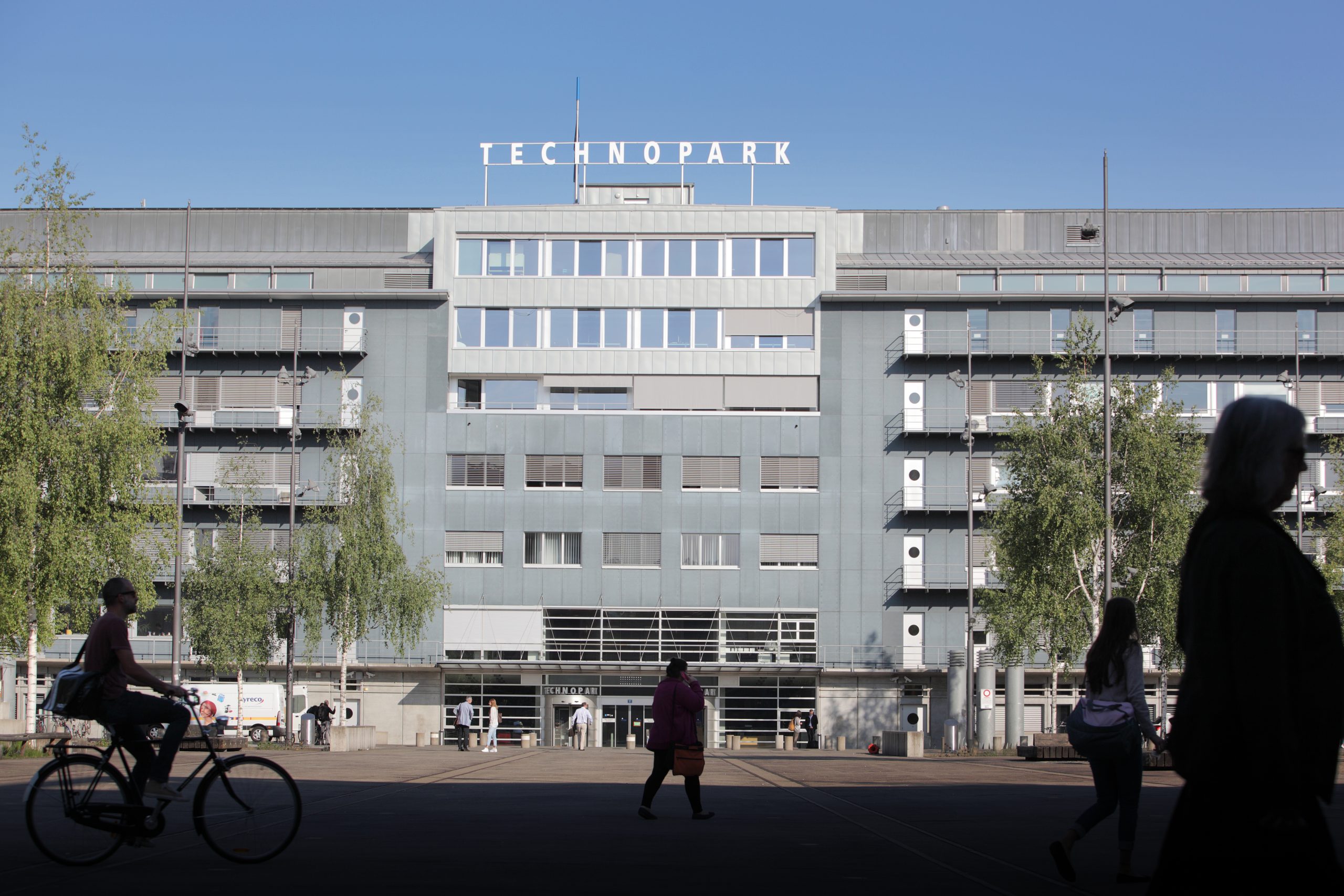
CH04Technopark Zürich opened in 1993 as Switzerland's first large-scale technology park, occupying a 47,000 m² campus in Zurich-West built around a model of deliberate co-location: startups, scale-ups, established companies and research groups share facilities to speed knowledge transfer. Over three decades it has hosted hundreds of companies at different growth stages and is listed as a benchmark site in the IASP global network of science and technology parks.
The park brings roughly 260 high- and deep-tech companies, service providers and research institutions together on-site, spanning medtech, artificial intelligence, data science, environmental technology and cleantech, with particular emphasis on medical technology given its proximity to the University Hospital Zurich and ETH Zurich. A recent addition, the AI Startup Center, creates a dedicated AI and data-science cluster within the campus to keep Zurich competitive as an AI hub.
As of the latest reporting, the campus hosts around 260 companies employing approximately 2,800 people. These figures come from Technopark's own site and are not independently audited, and no published evaluation quantifies job creation, revenue growth or spinout survival attributable to the park versus what tenant companies would have achieved elsewhere.
Technopark's 30-plus years of continuous operation and IASP benchmark status indicate durability and reputation, but the evidence base remains descriptive: headline counts of tenants and employees rather than a measured comparison of outcomes.
Own resources / municipal budget
Indicative funding routes for practices of this type — always check each programme's current calls and eligibility rules.
Do you run this practice? Claim it — verified implementers get a public contact pathway and can propose corrections.
Where this practice's information was retrieved from, and when.
Switzerland
The EPFL Innovation Park in Lausanne houses 250 high-tech companies and 2,500 researchers, enabling structured university–industry knowledge transfer. EPFL-related startups …
India
India's first university-based research park (2010) hosts 100+ corporate R&D tenants and an incubation cell that nurtured 511+ startups worth …
Italy
Politecnico di Milano's technology-transfer district has ranked in the world's top 5 university business incubators for three straight UBI Global …
France
CEA-Leti, Grenoble's applied microelectronics institute, has spun off 70+ startups since 1967 — including STMicroelectronics and Soitec — files ~200 …
Open full copilot Grounded in cited practices — always check the sources.