PUB's Digital Twin and Smart Sensors — Singapore Cuts Water-Pipe Leaks to 5 per 100 km a Year
Singapore
Singapore's water agency PUB paired acoustic leak sensors with digital-twin and machine-learning analytics, scaling from a 2017 pilot on 70 …
United States of America · New York · See the United States of America profile · See the New York profile
Evidence: Observational / pre–post Top 83% 40/100 · Ask Evidence Copilot about this practice
New York's MTA retrofitted Google Pixel phones onto six subway cars to capture vibration and audio data, feeding an AI model that matched 92% of the track defects human inspectors found over a five-month Google Public Sector pilot on the A line.
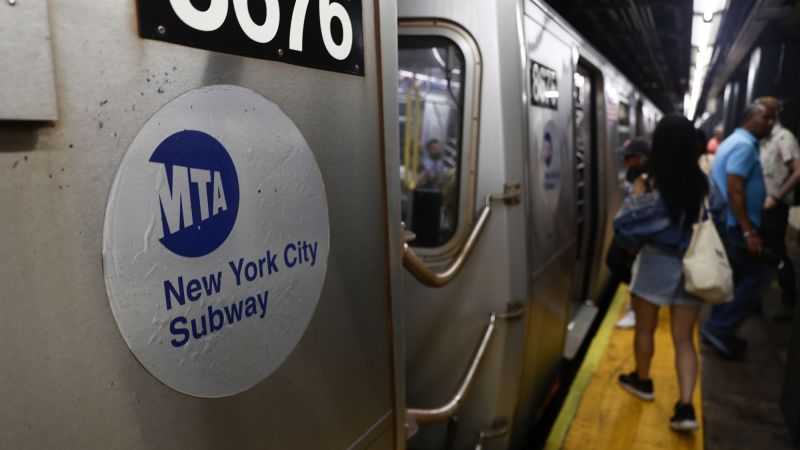
The MTA (Metropolitan Transportation Authority), which runs the largest subway system in North America, faces a constant backlog of manual track inspection. In September 2024, New York City Transit and Google Public Sector launched TrackInspect, retrofitting six R46 subway cars on the A line with off-the-shelf Google Pixel smartphones mounted to capture vibration and audio signals as trains ran their normal routes.
Over the pilot's five months (September 2024-January 2025), the phones collected 335 million sensor readings, 1 million GPS points and 1,200 hours of audio, which cloud-based machine-learning models analyzed to flag likely track defects such as loose fasteners or rail irregularities. Human track inspectors then verified each flagged location and fed their findings back into the model.
TrackInspect's flagged locations matched 92% of the defects independently found by MTA's human inspectors.
Track inspectors remain 'in the loop': the system flags candidate locations for human confirmation rather than acting autonomously, and its performance figures come from MTA and Google's own reporting rather than an independent third-party audit. The pilot covered only six cars on a single line; MTA has stated an intention to expand AI-assisted inspection system-wide, but as of the pilot's public reporting no confirmed system-wide rollout, budget commitment, or post-pilot funding arrangement with Google Public Sector (which developed the tool at no cost during the pilot) had been disclosed.
Own resources / municipal budget
Indicative funding routes for practices of this type — always check each programme's current calls and eligibility rules.
Do you run this practice? Claim it — verified implementers get a public contact pathway and can propose corrections.
Where this practice's information was retrieved from, and when.
Singapore
Singapore's water agency PUB paired acoustic leak sensors with digital-twin and machine-learning analytics, scaling from a 2017 pilot on 70 …
Germany
Baden-Württemberg built F13, the first AI assistant in productive use across a full German state administration, running on sovereign infrastructure; …
United States of America
NASA's ATD-2 project used ML taxi-time and surface-trajectory prediction to schedule gate pushbacks at Charlotte Douglas Airport, saving 1M+ gallons …
United Kingdom
The Ministry of Justice's in-house AI tool Justice Transcribe, built on the government's i.AI 'Minute' model, now transcribes offender conversations …
Open full copilot Grounded in cited practices — always check the sources.