Digital FSM: East Micronesia Cable & National Connectivity Project
Micronesia
Since 2014, the FSM government with the World Bank and ADB laid the Chuuk-Pohnpei and East Micronesia submarine cables plus …
Israel · Nazareth · See the Israel profile
Since 2008, Tsofen has helped grow Nazareth's tech workforce from 35 to over 1,300 jobs and lifted Arab citizens' share of Israel's tech workforce from 0.5% to over 3%, though a 2025 US funding cut removed roughly half its budget.
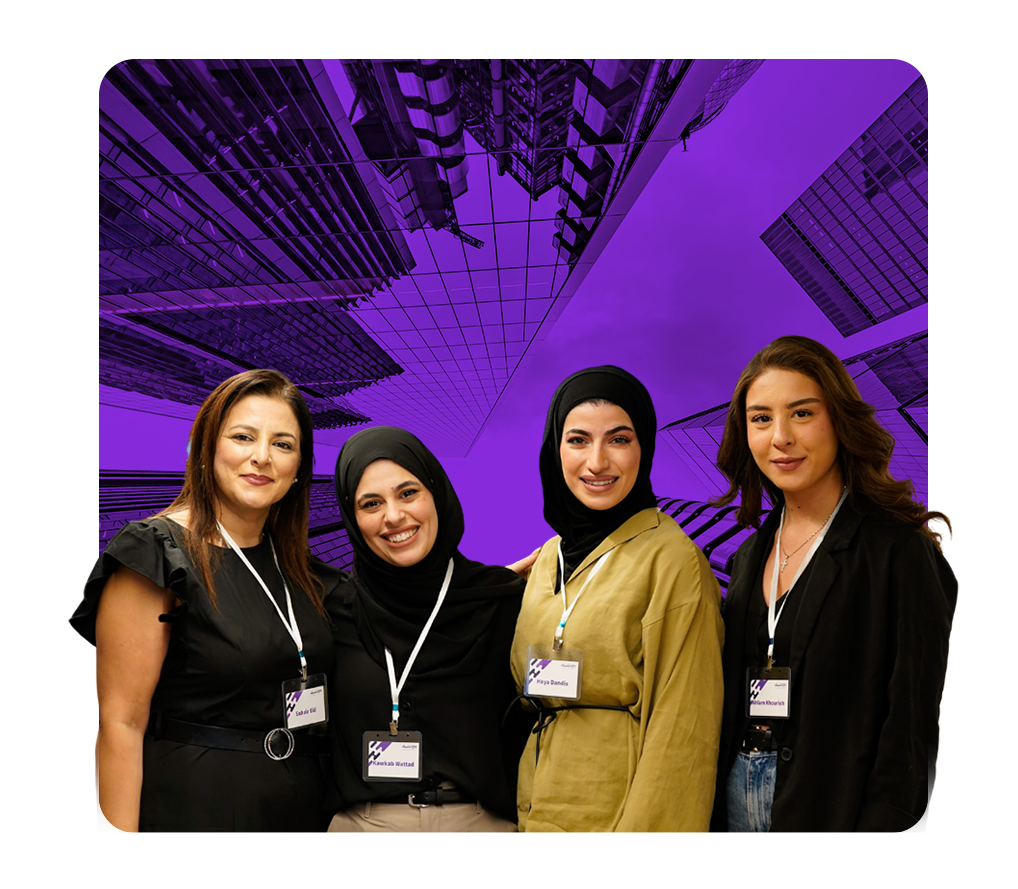
Tsofen is a joint Arab-Jewish Israeli nonprofit founded in 2008 in Nazareth to close the digital-economy gap facing Arab citizens of Israel, who make up about 20% of the population but historically held a small share of high-tech jobs.
The organisation aims to grow Arab participation in Israel's high-tech workforce through applied technology courses, mentorship, school outreach, and direct employer partnerships, including with Microsoft, Intel and Amdocs.
Tsofen runs applied technology courses for computer-science and engineering graduates, mentorship programmes, and school outreach, and works with employers to place graduates and open company branches in Arab towns; historically about 80% of costs were covered by government and philanthropic sources (USAID, EU, Israel's Ministry of Economy), with participants repaying the remainder after securing employment.
Nazareth's hi-tech workforce grew from 35 employees (2008) to about 1,300 across more than 50 companies (2022), with engineering jobs rising from about 30 to roughly 700 within seven years. Nationally, Arab software developers rose from 350 (2008) to roughly 3,000 (2016) and an estimated 4,000-5,000 by the early 2020s, lifting the Arab share of Israel's tech workforce from about 0.5% to 3.5-3.7%. Knowledge@Wharton reported an 87% job-placement rate among graduates in 2016.
Structural barriers persist — geographic mismatch between Arab population centres and tech-job clusters, and weaker STEM preparation in Arab schools — and a 2025 US funding cut removed about USD 2.8 million, roughly half of Tsofen's annual budget, forcing layoffs and course freezes; the organisation now relies on private donations to sustain core programmes.
Implementation detail (cost, timeline, staffing, conditions for success) is not yet available for this practice.
Where this practice's information was retrieved from, and when.
Micronesia
Since 2014, the FSM government with the World Bank and ADB laid the Chuuk-Pohnpei and East Micronesia submarine cables plus …
Comoros
World Bank/IFC-backed reform ended Comoros' telecom monopoly, introduced a competing operator and 4G, and subsidised broadband for schools — though …
Isle of Man
Digital Isle of Man's 'Activate AI' programme pairs a free 200+ hour online platform with in-person, sector-tailored sessions for all …
United Kingdom
The aim of the DSP is to improve digital capability across the whole skills spectrum - from the essential skills …
Open full copilot Grounded in cited practices — always check the sources.