Malaysia SiPKPM — AI-enhanced national early-warning system for school dropout prevention
Malaysia
Malaysia's Ministry of Education (KPM) and UNICEF deploy SiPKPM, an AI early-warning system tracking 5 million learners on 7 risk …
India · Gandhinagar · See the India profile
Gujarat's Vidya Samiksha Kendra uses AI analytics on attendance and assessment data to flag dropout risk for 11.5 million students in 54,000+ schools. State figures report 167,446 at-risk pupils retained in 2025-26; replicated in 14 Indian states since 2023.
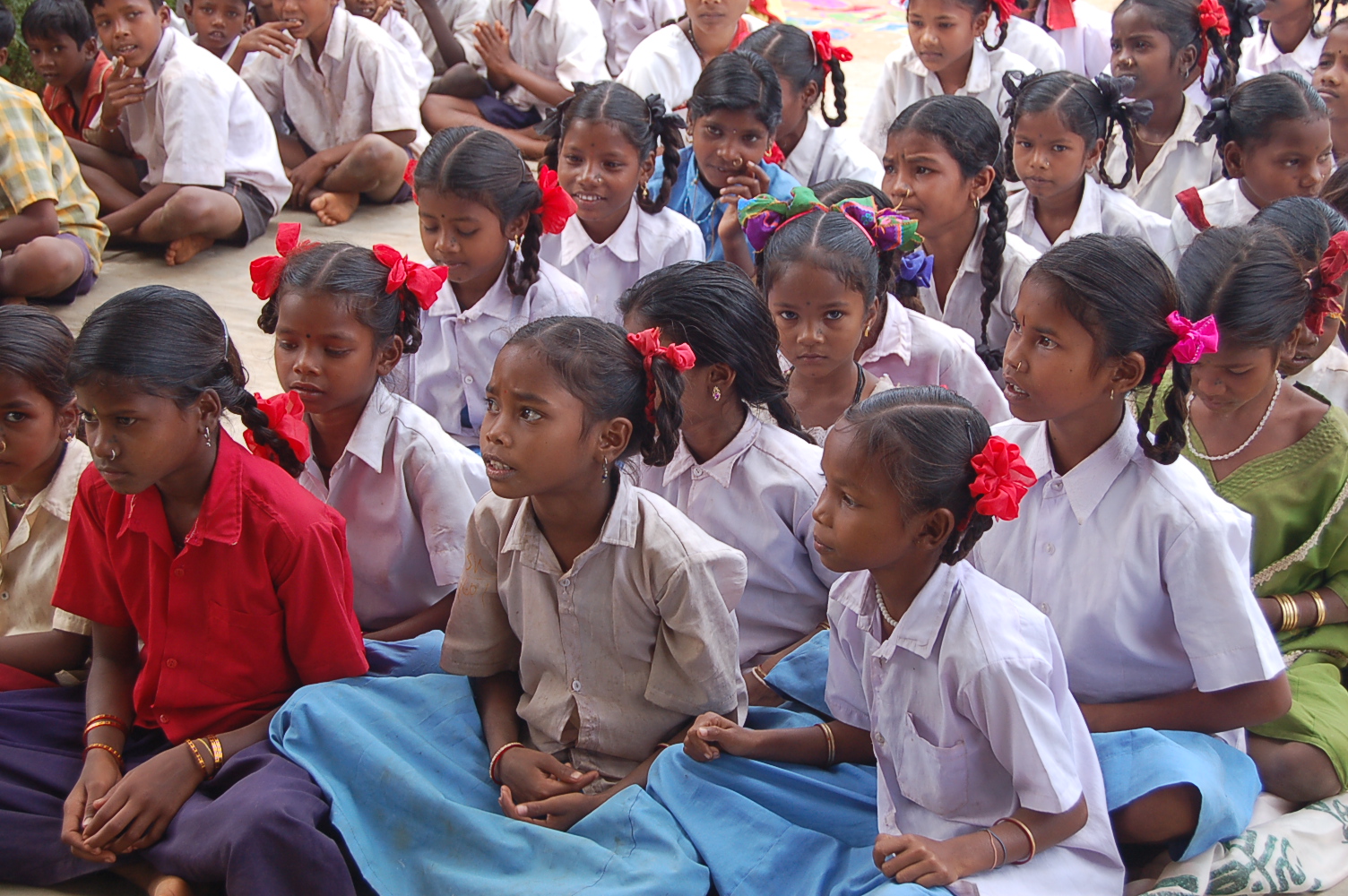
Vidya Samiksha Kendra is a state-run education command centre established by Gujarat's Department of Education in Gandhinagar, inaugurated in June 2021 and visited by Prime Minister Narendra Modi in April 2022. It applies artificial intelligence, machine learning and big-data analytics to more than 500 crore (5 billion) data points collected annually — attendance, assessment results, teacher performance and student socio-economic and demographic data — covering roughly 1.15 crore (11.5 million) students across 54,000+ government schools.
VSK's AI-based Early Warning System aims to predict dropout likelihood among students in Classes 1-8 so that at-risk pupils can be identified early and retained in school, while a linked Child Tracking System seeks to re-enrol children who have already dropped out.
The system continuously analyses attendance, assessment, and demographic data to flag at-risk students, triggering targeted interventions by teachers and counsellors; the Child Tracking System separately follows up with already-dropped-out children to bring them back into school.
According to Gujarat's June 2026 Shala Praveshotsav announcement, VSK helped prevent 167,446 at-risk students from dropping out in the prior year, re-enrolled 90,212 previously dropped-out children, and newly flagged 118,234 more students as at-risk. A NITI Aayog case study separately documents a 15% reduction in absenteeism in Sabarkantha district within one academic year. The World Bank, OECD and UNICEF have cited the model as a best practice, and it has been replicated by 14 other Indian states and one union territory since 2023.
Evidence should be read with caveats: the headline dropout-prevention figures come from a state-government announcement echoed by wire services rather than an independent audit or peer-reviewed study, and IIT Bombay's Centre for Education Technology has publicly noted that VSK's predictive-analytics layer could be further enhanced with predictive algorithms, indicating the AI component is real but not yet at the frontier of sophistication.
Where this practice's information was retrieved from, and when.
Malaysia
Malaysia's Ministry of Education (KPM) and UNICEF deploy SiPKPM, an AI early-warning system tracking 5 million learners on 7 risk …
United Kingdom
The UK's Open University has run OU Analyse, a machine-learning early-warning system flagging at-risk distance learners weekly, in production since …
Guatemala
A World Bank-designed predictive model using only existing administrative data flagged Guatemalan students at risk of dropping out. A 4,000-school …
Argentina
Mendoza and Entre Ríos, Argentina, built AI early-warning systems — with UBA's AI Lab, CIPPEC and CAF — flagging dropout-risk …
Open full copilot Grounded in cited practices — always check the sources.