UDID — India's National Digital Identity Card for Persons with Disabilities
India
India's Unique Disability ID (UDID) replaces fragmented paper certificates with one national digital card spanning 21 disability categories, linked to …
India · New Delhi · See the India profile · See the New Delhi profile
Evidence: Descriptive / self-reported Top 30% 88/100 · Ask Evidence Copilot about this practice
India's 1.3-billion-enrolment Aadhaar ID leans on fingerprint checks that degrade for manual labourers and the elderly. UIDAI's iris-scan fallback catches many failures, but reporting through 2025 documents continuing wrongful exclusions, including after cataract surgery.
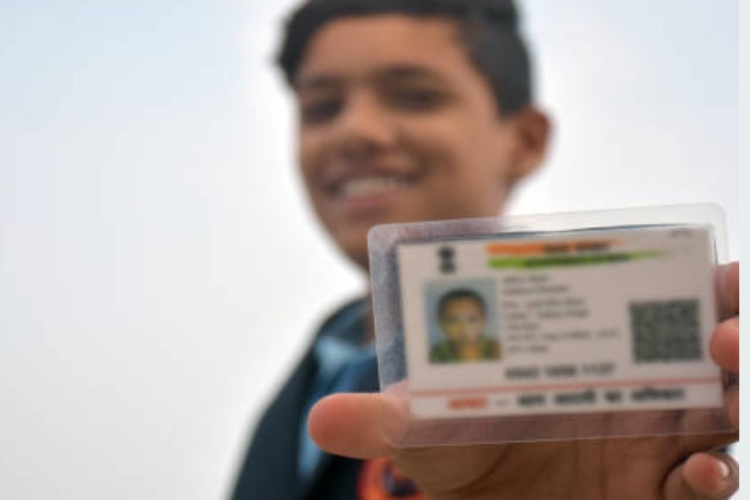
Aadhaar, India's biometric digital-identity system, has enrolled more than 1.3 billion residents and underpins authentication for rations, pensions and welfare payments nationwide, defaulting to fingerprint matching against the record captured at enrolment.
UIDAI's stated design intent is to let citizens whose fingerprints no longer match — due to manual-labour wear or age-related change — still authenticate, via an automatic iris-scan fallback.
Independent reporting documents that fingerprints belonging to manual labourers and elderly citizens wear down or change with age, causing live scans to stop matching enrolment records; UIDAI's design response is an automatic fallback to iris scanning when a fingerprint match fails.
The Wire reported the case of an 80-year-old woman in New Delhi who could not collect her rations for most of 2023 after her fingerprint authentication began failing in 2022; a UIDAI regional-office representative in Ranchi acknowledged that fingerprints 'do get erased or changed' with age and manual labour. Biometric Update reported in July 2025 that high biometric-verification failure rates were prompting renewed UIDAI scrutiny.
The iris-scan fallback is only a partial fix: iris authentication itself fails for some people who have had cataract surgery, a common procedure among elderly Indians, so more than a decade after Aadhaar's rollout, authentication exclusion for exactly the populations digital inclusion is meant to serve remains a live, unresolved problem.
National / regional programmes
Indicative funding routes for practices of this type — always check each programme's current calls and eligibility rules.
Do you run this practice? Claim it — verified implementers get a public contact pathway and can propose corrections.
Where this practice's information was retrieved from, and when.
India
India's Unique Disability ID (UDID) replaces fragmented paper certificates with one national digital card spanning 21 disability categories, linked to …
Togo
Togo built a fully digital, mobile-money cash-transfer system using satellite imagery and phone data to target its poorest citizens during …
Kazakhstan
Kazakhstan's Ministry of Labor and Social Protection, with UNDP, built a scoring system covering 6M+ families across 120 wellbeing indicators, …
Ethiopia
Simprints and JSI built fingerprint ID into Ethiopia's community health data system, letting Health Extension Workers serving low-literacy populations without …
Open full copilot Grounded in cited practices — always check the sources.