Vanuatu Women's Centre - National CAVAW Network Against Family and Sexual Violence
Vanuatu
Since 1992, the Vanuatu Women's Centre and its 45 community-based CAVAW committees have delivered thousands of counselling sessions a year …
Argentina · Buenos Aires · See the Argentina profile · See the Buenos Aires profile
Top 55% 63/100 · Ask Evidence Copilot about this practice
Since the 2015 'Ni Una Menos' marches, the civil-society observatory 'Ahora Que Sí Nos Ven' has tracked Argentina's most-cited independent femicide count - 2,827 killings from June 2015 to May 2025, one every 31 hours - filling gaps left by delayed official data.
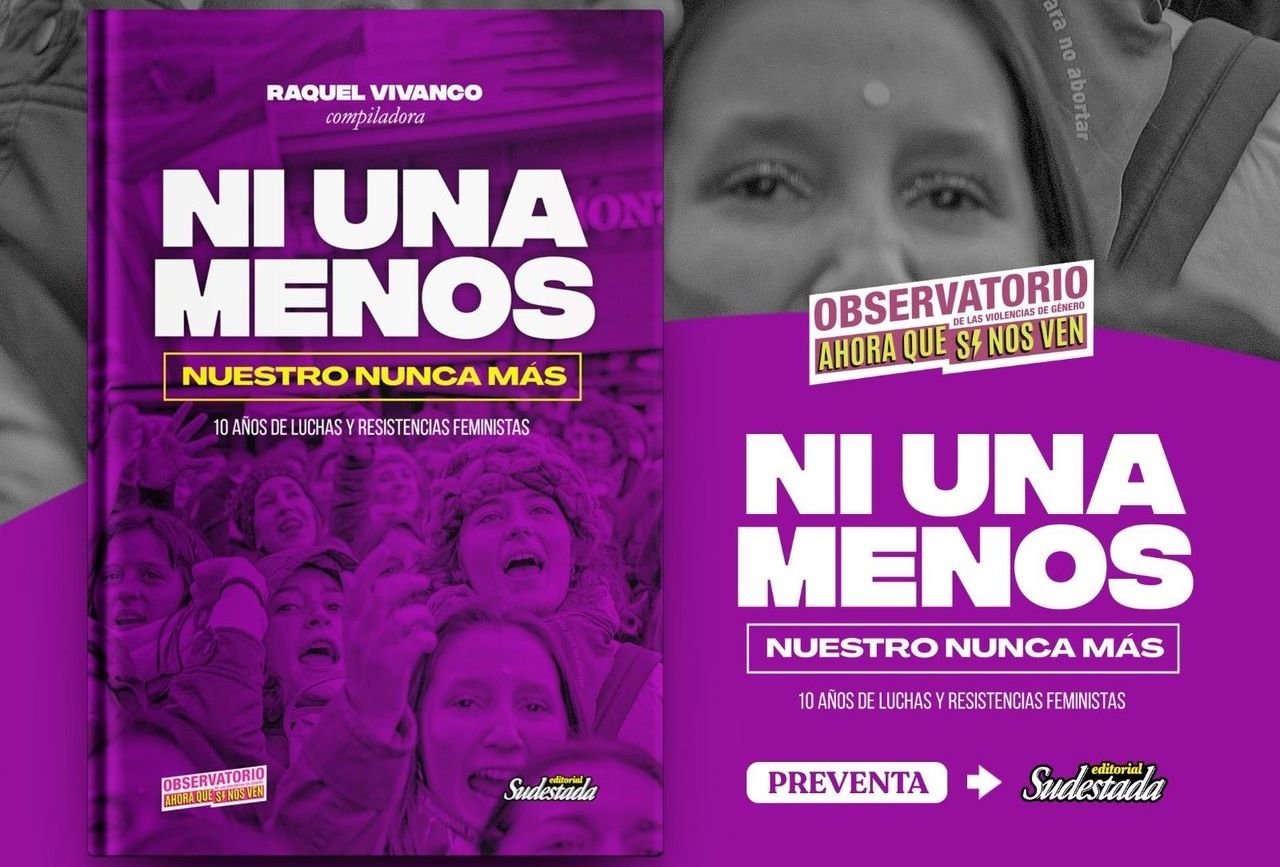
"Ahora Que Sí Nos Ven" is the femicide-monitoring observatory that grew out of the "Ni Una Menos" mobilisation of 3 June 2015, continuing a tradition of civil-society femicide registries in Argentina pioneered by Casa del Encuentro from 2008. It is run by feminist activists and researchers rather than a government agency.
The observatory cross-checks media reports, court records and police information to build a case-by-case femicide registry, publishing periodic bulletins and an annual report. Since January 2020 it has also tracked transfemicides and travesticides as a distinct category.
Its ten-year report (3 June 2015 - 25 May 2025) recorded 2,827 lethal victims of gender-based violence: 2,543 direct femicides of women and 284 "femicidios vinculados" (relatives or others killed alongside the intended victim) - equivalent to one femicide every 31 hours over the decade. Since 2020 it has additionally logged 41 transfemicides/travesticides.
Casa del Encuentro's director, Ada Rico, has argued publicly that official state statistics are released too late to inform real-time policy, which is why independent observatories such as this one remain the most-cited femicide data source in Argentine media. The model has also been replicated by other Argentine observatories (Observatorio Lucía Pérez, MuMaLá), though this fragmentation of independent registries - none of them state-funded - also signals the absence of a single authoritative government count, a limitation the observatory itself acknowledges.
Read the full analysis: https://ahoraquesinosven.com.ar/
Implementation detail (cost, timeline, staffing, conditions for success) is not yet available for this practice.
Do you run this practice? Claim it — verified implementers get a public contact pathway and can propose corrections.
Where this practice's information was retrieved from, and when.
Vanuatu
Since 1992, the Vanuatu Women's Centre and its 45 community-based CAVAW committees have delivered thousands of counselling sessions a year …
Kenya
A four-year, €278,606 COVAW project trained women, youth and persons with disabilities in Kwale County, Kenya, to engage the budget …
Liechtenstein
In 2017 Liechtenstein moved gender-equality oversight from a government office to the independent NGO VMR, which now monitors CEDAW compliance …
Eswatini
Since 1990, Eswatini's SWAGAA has provided counselling, shelter referrals and legal support to gender-based violence survivors; it recorded 1,172 cases …
Open full copilot Grounded in cited practices — always check the sources.