Ushahidi — Kenya's Crowdsourced Crisis-Mapping Platform
Kenya
Born in Nairobi during Kenya's 2008 post-election violence, Ushahidi's open-source crowdsourcing platform has since been deployed 150,000+ times in 160+ …
Philippines · Taguig City · See the Philippines profile
Evidence: Observational / pre–post Top 39% 71/100 · Ask Evidence Copilot about this practice
Since 1975, the Philippines' DOST has brought home nearly 700 Filipino scientists for R&D stints; Republic Act 11035 (2018) institutionalised tax breaks, housing and grants, driving 120+ returns between mid-2022 and 2024.
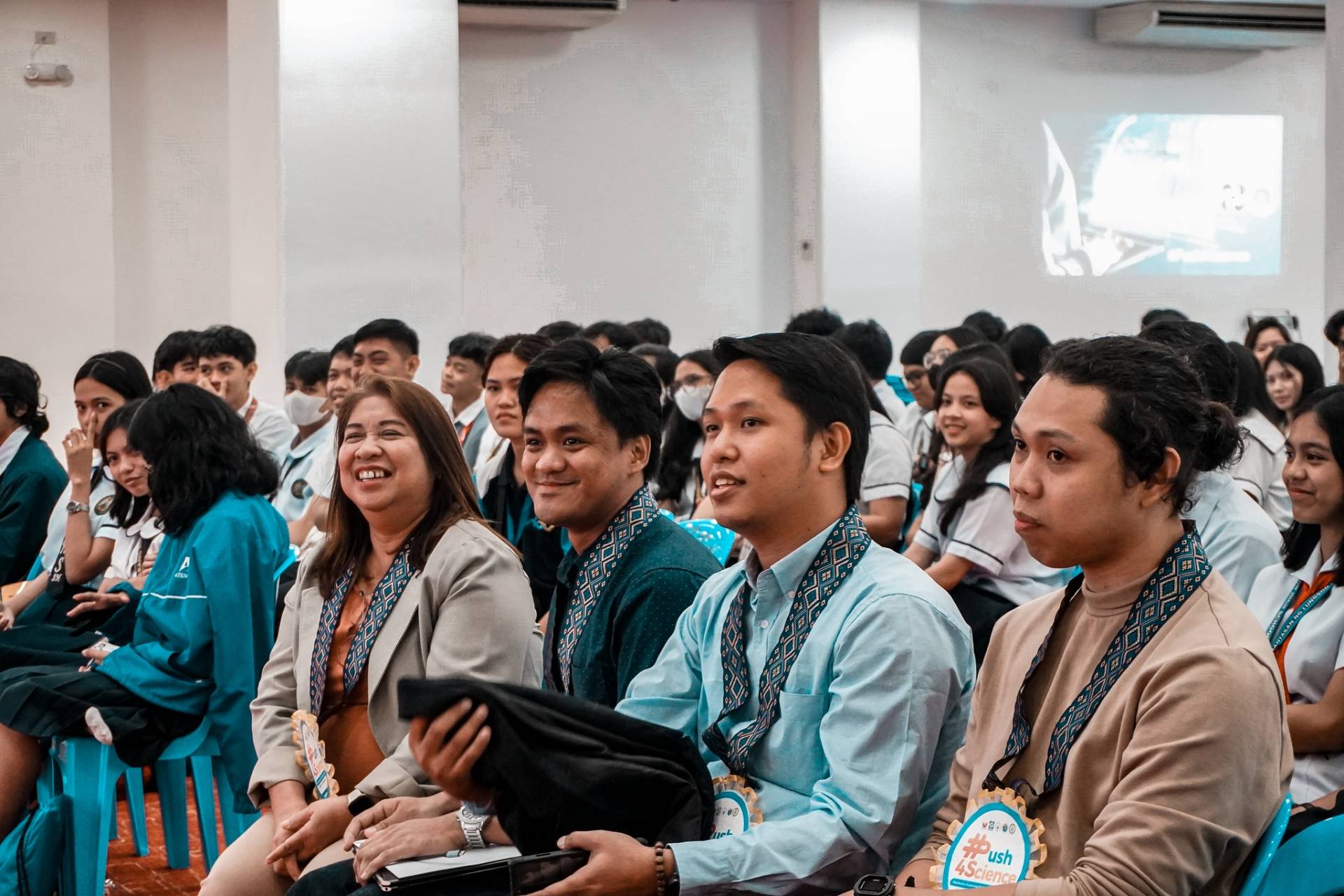
The Philippines has long faced a brain drain of scientists, engineers and technology experts working abroad.
Reverse the brain drain by inviting Filipino scientists and technology experts abroad to return, permanently or for short- and medium-term research stints, to Philippine universities, government laboratories and industry partners.
DOST launched the Balik Scientist Program (BSP) in 1975. In June 2018, Republic Act 11035, the Balik Scientist Act, institutionalised the programme with statutory incentives: tax breaks, duty-free import of research equipment, housing privileges, teaching opportunities and research grants for returning experts of Filipino citizenship or descent.
By 2018 the programme had brought home 567 scientists since inception; by 2023 the cumulative total reached almost 700, across more than 900 engagements in fields spanning space technology, drug discovery, nanotechnology, virology and vaccine development. In the two and a half years after RA 11035's expanded funding took effect (July 2022–end 2024), more than 120 additional scientists returned, including 44 in the 2022–2023 fiscal year alone, with some choosing to stay permanently.
Government reporting counts returnees and engagements rather than tracking longer-run outcomes such as patents, spin-off companies or salary parity, so the evidence here is a strong, decades-long record of programme throughput rather than a rigorously isolated economic-impact study.
National / regional programmes
Indicative funding routes for practices of this type — always check each programme's current calls and eligibility rules.
Reusable artefacts from this practice — as published by their sources.
Do you run this practice? Claim it — verified implementers get a public contact pathway and can propose corrections.
Where this practice's information was retrieved from, and when.
Kenya
Born in Nairobi during Kenya's 2008 post-election violence, Ushahidi's open-source crowdsourcing platform has since been deployed 150,000+ times in 160+ …
China
Since 2009, China Agricultural University has embedded graduate students in villages to co-develop farming practices with smallholders; a Nature-published evaluation …
Bhutan
Since 2022, UNICEF Bhutan and the Ministry of Education have scaled UPSHIFT from 65 to 264 schools nationwide, training 27,000+ …
Uganda
Makerere University engineers built AirQo in 2015 to fill Africa's air-quality data gap with low-cost, solar-powered sensors. It now runs …
Open full copilot Grounded in cited practices — always check the sources.